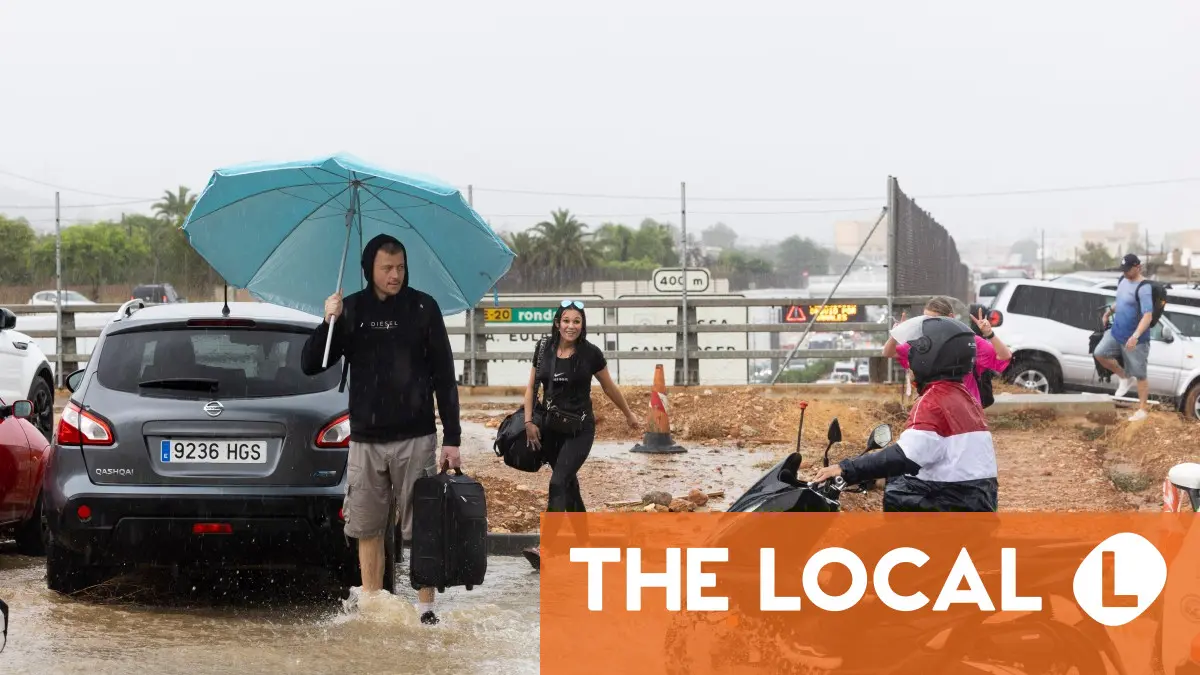
Historic Flooding Submerges Ibiza, Raising Climate Change Concerns
Ibiza, the famed Balearic Island known for its vibrant nightlife and stunning beaches, experienced devastating floods on September 30, 2025. Record-breaking rainfall overwhelmed the island,causing widespread disruption and prompting emergency responses. This event underscores the increasing vulnerability of Mediterranean regions to extreme weather,fueled by a changing climate.
Unprecedented Rainfall and Immediate Impact
AEMET, SpainS national weather service, reported a provisional record of 254 liters of rain per square meter in just 24 hours. This surpasses more than half the typical annual rainfall for the area.The deluge quickly led to:
* Widespread Flooding: Streets transformed into rivers, inundating ground floors of buildings and rendering roads impassable.
* Infrastructure Damage: Waste containers were swept away, and vehicles were forced to navigate treacherous conditions. Ibiza’s airport highway was entirely submerged.
* Emergency Response: The Spanish army’s emergency unit, bolstered by reinforcements from Mallorca and the mainland, deployed to pump water and clear blocked roads.
* Disrupted services: Schools were closed across Ibiza town, with a continued suspension announced for Wednesday, pending safety inspections. Beaches were also closed as a precaution.
Footage circulating on social media showed residents wading through waist-deep water, while sirens wailed in the background. The scenes painted a stark contrast to the island’s usual tourist appeal.
Limited Injuries, Extensive Reporting
Fortunately, authorities reported only three minor injuries related to a landslip near a hotel. No fatalities or serious injuries were confirmed. The Balearic Islands‘ regional government documented 179 incidents on Ibiza and six on formentera, primarily involving flooding, fallen trees, and potential river overflows.
Prime Minister Pedro Sánchez addressed the situation on X (formerly Twitter), urging residents to exercise caution and rely on official information sources.
A Region on Edge: Echoes of Past Floods
The red alert issued earlier in the day forced the closure of schools for over half a million students in the Valencia region. This triggered painful memories of last year’s devastating floods, highlighting a growing pattern of extreme weather events. Emergency services proactively issued mass telephone alerts to residents, suspending classes and closing beaches.
The Climate Connection: A Warming Mediterranean
Scientists are increasingly confident that human-driven climate change is intensifying extreme weather events. A warmer atmosphere holds more moisture, leading to heavier rainfall and increased flood risk.
The Mediterranean Sea is warming at an alarming rate, having absorbed 90% of the excess heat from human activity since the industrial age.This warming exacerbates the intensity of rainfall events, making regions like Ibiza particularly vulnerable.
Looking Ahead: Adaptation and Mitigation
The floods in Ibiza serve as a critical wake-up call. While emergency responses are vital, long-term solutions require a two-pronged approach:
* mitigation: Reducing greenhouse gas emissions to slow the pace of climate change.
* Adaptation: Implementing measures to protect communities from the impacts of extreme weather, such as improved drainage systems, flood defenses, and early warning systems.
You can stay informed about weather alerts and safety guidelines through AEMET’s official website and local authorities. Understanding the risks and preparing accordingly is crucial for safeguarding your safety and resilience in a changing climate.
Image Credits: Vicent MARI / AFP (as per original article)
Disclaimer: This article is based on information available as of October 2, 2025, and is subject to change as new details emerge.