
The Silent Crisis on ibiza: A Vanishing Ecosystem
Ibiza, famed for its vibrant nightlife and stunning beaches, harbors a hidden struggle. Beyond the tourist hotspots, a quiet ecological crisis is unfolding, threatening the island’s unique lizard populations. You might be surprised to learn that this paradise is facing a significant biodiversity loss, and understanding the factors at play is crucial.
The Rising Threat of the Horseshoe whip Snake
For years, experts have observed a concerning trend: the expansion of snake populations across Ibiza. Specifically,the horseshoe whip snake,the island’s most prevalent and dangerous predator to lizards,is steadily increasing its range. This isn’t simply a natural fluctuation; it’s a complex issue driven by human impact and ecological shifts.Consider these key points:
northeast to Southwest Expansion: Trapping data reveals a clear pattern of snake movement, expanding from the northeast towards the southwest.
“Invasion Front” Densities: The highest concentrations of snakes are found in areas actively being colonized, dubbed the “invasion front.”
Lizard Extinction Correlation: Interestingly, snake densities appear lower in areas where lizards have already disappeared, suggesting a direct link between prey availability and predator numbers.
Essentially, the more food available for snakes, the more they thrive. This dynamic is common in biological invasions,where populations naturally regulate themselves. Though, the question remains: will any lizard populations survive and adapt, or is extinction inevitable?
Beyond Snakes: A Multifaceted Problem
The plight of Ibiza’s lizards isn’t solely attributable to snakes. several other factors are compounding the problem, creating a perfect storm for these vulnerable creatures.
Let’s break down the additional pressures:
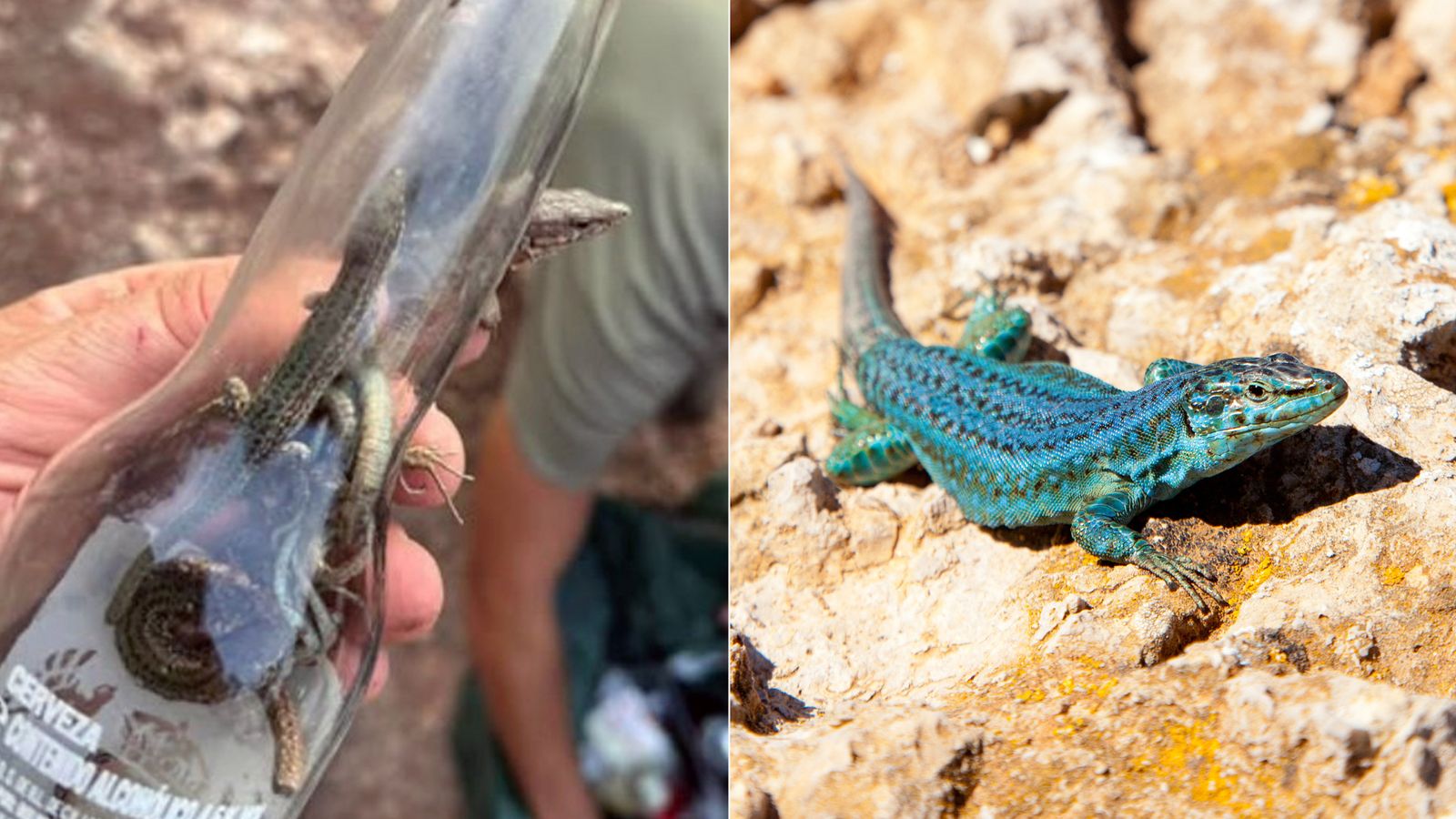
human Waste as a Deadly Trap: Abandoned bottles and cans, unluckily common sights, pose a lethal threat to lizards. They become “deadly traps,” hindering movement and leading to dehydration or starvation.
Predation by Felines: Both feral and domestic cats are increasingly preying on lizards, adding another layer of pressure to already dwindling populations.
Habitat Degradation: While not explicitly detailed, it’s reasonable to assume habitat loss and fragmentation due to development contribute to the lizards’ vulnerability.
In the current context, any additional pressure exacerbates the situation. Every threat, no matter how seemingly small, pushes these lizards closer to the brink.
What Dose This Meen for Ibiza’s Ecosystem?
The decline of Ibiza’s lizards has far-reaching consequences. Lizards play a vital role in the island’s ecosystem, contributing to insect control and serving as a food source for other animals. Their disappearance could trigger a cascade effect, disrupting the delicate balance of nature.
You might wonder what can be done. While the situation is dire, understanding the problem is the first step towards finding solutions. Conservation efforts,responsible waste management,and responsible pet ownership are all crucial components of a long-term strategy.
Ultimately,protecting Ibiza’s unique biodiversity requires a collective effort. It’s about recognizing that the island’s beauty extends beyond its beaches and nightclubs, encompassing a fragile ecosystem that deserves our attention and protection.
This isn’t just about saving lizards; it’s about preserving the natural heritage of Ibiza for generations to come.


