
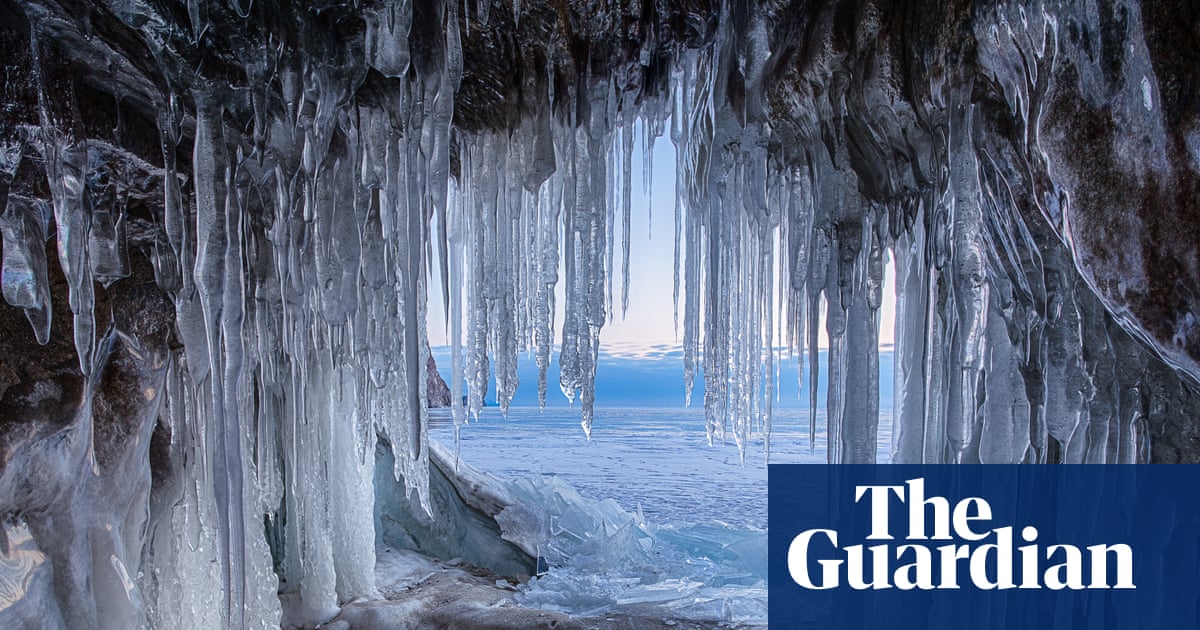
A World Frozen in Possibility: Exploring Jacek Dukaj’s “Ice“
Jacek Dukaj’s “ice,” expertly translated by Ursula Phillips,isn’t simply science fiction; it’s a profound exploration of history,ideology,and the very nature of reality. This novel, recently published by Head of zeus, offers a chillingly imaginative alternate history that will stay with you long after you turn the final page. If you’re seeking a challenging, rewarding read that blends intellectual rigor with compelling storytelling, look no further.
A Comet, A Shift, A New World Order
The premise is captivating.A comet’s impact unleashes “black physics,” fundamentally altering the world. This isn’t just about new technologies like “coldiron” and “frostoglaze” – materials with unusual properties.It’s about a complete reshaping of the geopolitical landscape.
Imagine a world where neither the Russian Revolution nor World War I ever occurred. Dukaj doesn’t just rewrite history; he reimagines the core tenets of ideology. The central conflict arises between the Ottepyelniks, advocating for “Thaw” and change, and the Lyednyaks, who seek to preserve the “gleiss” - the frozen stasis imposed by the comet.
This isn’t a simple Cold War allegory. Dukaj delves into the nuances of this new world, revealing how the gleiss impacts everything from technological advancement (some Siberian entrepreneurs rely on it) to spiritual belief (others see it as religious transcendence). The Tsar himself seems to favor eliminating the gleiss, potentially aligning Russia with a “Summer” cluster of European powers.
A Journey Through a Fractured Russia
The narrative follows Benedykt, a captivating character who is both a gambler and a scientist. He’s intrigued by how chance operates within the altered laws of physics created by the gleiss.You’ll find that randomness isn’t random at all; quantum uncertainty becomes startlingly clear.
Benedykt’s journey unfolds in three distinct acts:
* The Trans-Siberian Express: A claustrophobic setting rife with intrigue, plots, and espionage.
* Irkutsk: A hotbed of political maneuvering and scientific experimentation.
* The Ways of the Mammoth: A perilous expedition into the frozen wastes, shrouded in mystery.
Adding to the novel’s richness, Dukaj seamlessly integrates historical figures like Nikola Tesla, aleister Crowley, Trotsky, and Rasputin into his fictional world. Their presence feels organic,enhancing the sense of a meticulously crafted alternate reality.
Translation as an Art Form
Ursula Phillips’s translation deserves significant praise.The publishers wisely included an appendix where she details her process, discussing the challenges and compromises inherent in bringing Dukaj’s complex vision to an English-speaking audience.
Phillips tackles the novel’s inherent obliquity head-on. She explains how Dukaj’s stylistic choices, particularly the initial dropping of the first-person “I,” reflect Benedykt’s own existential uncertainty. Her decision to maintain this stylistic element, despite potential difficulties, provides a crucial anchor for the reader. Dukaj himself recommended she study Thomas Pynchon’s “Mason & Dixon” – a testament to the novel’s ambition and complexity.
More Than Just Cerebral: Emotion and Depth
“Ice” isn’t merely a thought experiment. It’s a deeply human story. You’ll encounter moments of genuine hilarity, chilling horror, and profound pathos.Dukaj masterfully explores themes of regret, loss, and the search for meaning in a world irrevocably altered.
The novel’s central question – if things had been different, would they simply have turned out the same? – resonates long after you finish reading. it’s a gloomy, sharp, and dazzling work that challenges your perceptions and expands your creativity.
You can purchase ”Ice” by Jacek Dukaj, translated by Ursula Phillips, at guardianbookshop.com. Delivery charges may apply.
“Ice” is a remarkable achievement. It’s a novel that demands your attention, rewards your engagement, and





