
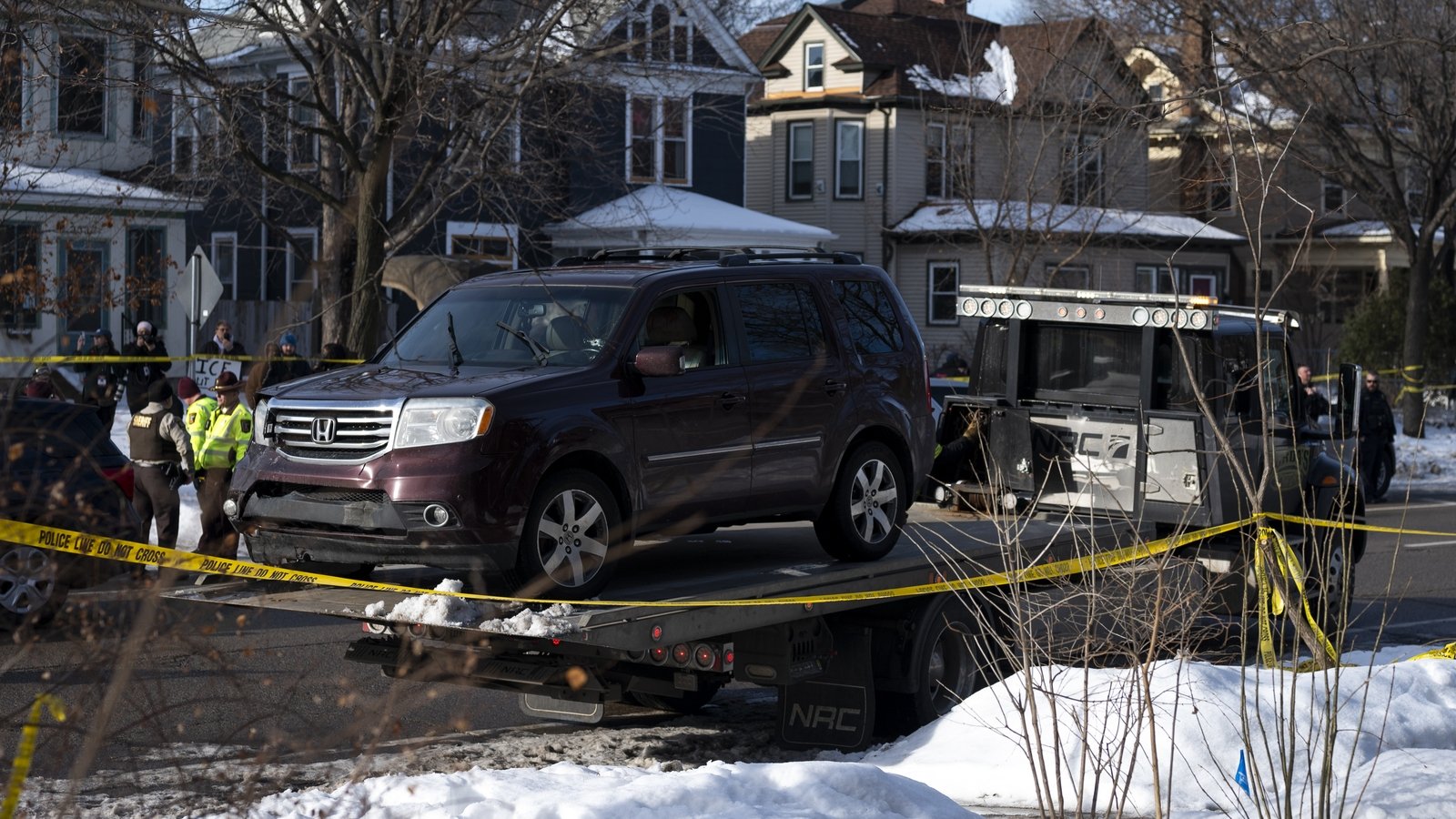
The recent shooting in Minneapolis involving a U.S. Immigration and Customs Enforcement (ICE) agent has ignited a national conversation about the use of force and accountability. On January 7, 2026, a 37-year-old woman, Renee Nicole Good, was fatally shot by an ICE agent during what authorities initially described as a confrontation with a “violent rioter.” This incident, occurring amidst heightened federal enforcement efforts, raises complex legal questions and demands a thorough examination of the events that unfolded.
local authorities have publicly disputed the Trump management’s initial claim of self-defense, setting the stage for potential legal battles and further scrutiny. Understanding the legal ramifications of this shooting is crucial, especially as it touches upon issues of federal authority, individual rights, and police accountability.
What Transpired: A Closer Look at the Minneapolis Shooting
According to a statement released by the Department of Homeland Security, the ICE agent discharged their weapon after perceiving an immediate threat to their life, alleging the driver attempted to run over responding officers. however, independently verified video footage has emerged, challenging this narrative.
The videos depict an officer approaching an SUV and requesting the driver to exit the vehicle, even attempting to open the driver’s side door while another officer stood in front of the car. Subsequently,the driver moved the vehicle forward,turning away from the officers,at which point the officer in front drew their weapon,stepped back,and fired three shots.
It remains unclear whether the vehicle actually made contact with any officer before the shots were fired, and footage suggests at least one shot was discharged after the car had already passed the officer. This sequence of events is central to the ongoing investigation and potential legal proceedings.
Understanding Use-of-Force Laws
Minnesota law dictates that state police officers are only permitted to use deadly force when a reasonable officer would believe it is necessary to prevent death or serious harm to themselves or others. This standard emphasizes the importance of objective reasonableness in assessing the justification for using lethal force.
federal law mirrors this standard, allowing the use of deadly force only when a reasonable officer has probable cause to believe an individual poses an immediate threat of death or serious bodily injury. The application of these standards to the Minneapolis shooting will be a key point of contention.
Potential Legal Repercussions for the ICE Agent
One of the moast important hurdles to prosecution lies in the concept of federal immunity. Generally, federal agents are shielded from state prosecution for actions taken within the scope of their official duties.Though, this immunity isn’t absolute.
This protection only extends to actions that were authorized by federal law and deemed necessary and proper in the performance of their duties. Should Minnesota pursue charges against the agent, they could attempt to transfer the case to federal court, arguing immunity from state prosecution.

Matt Damon Movies Ranked: The Best Films of His Career
Dublin Bodies Found: Man & Boy – Investigation Launched


Related Posts

Binta Mechanic’s Arrest: Shocking Footage & Details
January 8, 2026
Ice Hockey Knockout: Viral Fight & Global Reaction
January 8, 2026


