ICEBlock: The App Challenging ICE and Protecting Civil Liberties – A Deep Dive
The digital landscape is increasingly becoming a battleground for civil rights. A recent lawsuit filed by the creator of ICEBlock, an app designed to alert users to Immigration and Customs Enforcement (ICE) activity, highlights this tension. but ICEBlock is more than just an app; it represents a growing movement to monitor and challenge ICE practices, fueled by concerns over escalating enforcement and potential civil liberties violations. This article delves into the story behind ICEBlock, the legal challenges it faces, and the broader implications for technology and activism in the age of heightened immigration enforcement.
What is ICEBlock and Why Was It Created?
ICEBlock, developed by self-taught programmer Elias Aaron, functions as a crowdsourced alert system. users report ICE activity – checkpoints, raids, and other enforcement actions – which are then shared with other users in the vicinity. The app’s core purpose,as articulated by Aaron,isn’t to hinder ICE operations,but to protect communities. This protection manifests in several ways: allowing individuals to avoid potentially harmful encounters, enabling observers to document ICE activity, and facilitating lawful protest against perceived abuses of power.
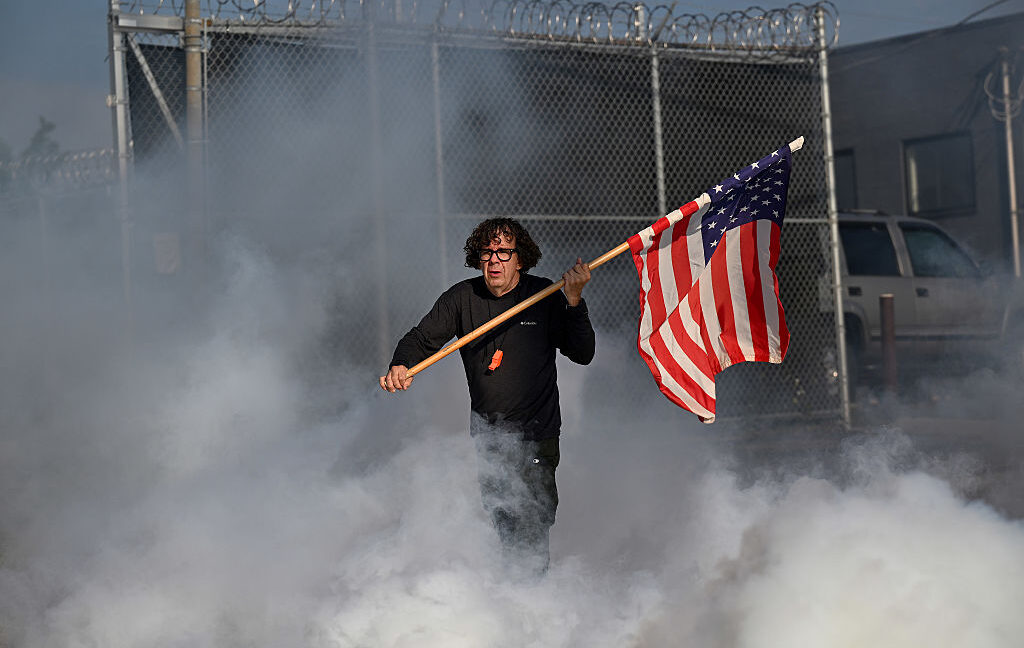
aaron’s motivation stems from a deep-seated concern over what he describes as increasingly aggressive ICE tactics. He points to documented instances of ICE agents engaging in questionable practices, including the use of tear gas and pepper spray, allegations of racial profiling leading to the wrongful arrest of U.S. citizens and lawful residents, and deeply troubling cases of parents being arrested and leaving children unattended – even instances of agents driving away with a toddler still secured in a car seat. These incidents, widely reported by organizations like the ACLU (https://www.aclu.org/), underscore the anxieties driving the development of tools like ICEBlock.
The Escalation of ICE Enforcement and Civil Liberties Concerns
The context surrounding ICEBlock’s creation is crucial. During the previous administration, there was a significant push for increased ICE enforcement, including reported directives to agents to achieve specific arrest quotas – sometimes as high as 75 arrests per day. This emphasis on numbers, critics argue, led to a disregard for due process and an increased risk of civil rights violations.
A 2023 report by the government accountability Office (GAO) found significant deficiencies in ICE’s oversight of its own enforcement activities, including inadequate documentation of arrests and a lack of consistent training on civil rights and civil liberties. (https://www.gao.gov/) This lack of accountability further fueled concerns about potential abuses of power.
Aaron’s lawsuit alleges that these operations have resulted in “widespread and well-documented civil rights violations” impacting citizens, lawful residents, and undocumented immigrants alike. The app,therefore,isn’t simply a tool for avoiding ICE; it’s a response to a perceived crisis in the protection of essential rights.
The Lawsuit: A Fight for Free Speech and Technological Activism
The lawsuit filed by aaron centers on the claim that the government attempted to intimidate him and stifle the development of ICEBlock. He alleges that the Trump administration targeted the app, attempting to coerce apple and Google into removing it from their app stores.This, Aaron argues, constitutes a violation of his First Amendment rights and sets a hazardous precedent for government interference in technological innovation.
“This case is about ensuring that public officials cannot circumvent the Constitution by coercing private companies or threatening individuals simply as they disagree with the message or the tool being created,” Aaron stated in an interview with 404 Media. The lawsuit seeks an injunction to prevent the government from further interfering with the app and to hold officials accountable for alleged abuses of power.
The implications of this case extend far beyond iceblock. It raises fundamental questions about the government’s ability to regulate or suppress technology designed to monitor or challenge its actions. if successful, the lawsuit could establish important legal protections for developers creating tools for social good and civic engagement.
Aaron’s Background and Commitment to Civil Liberties
Elias Aaron’s journey to becoming a technological activist is noteworthy. having worked as one of the first “Geniuses” at Apple stores, he possesses a unique understanding of both technology and user experience.However, he’s largely self-taught in app development, driven by a desire to create tools that address social problems.
His commitment to civil liberties is deeply personal, rooted in his upbringing in a Jewish household where he heard firsthand accounts from Holocaust survivors. This history, he says, instilled in him a profound understanding of the importance of protecting fundamental rights and resisting oppression. ICEBlock, therefore, is not merely a technical project; it’s a manifestation of