
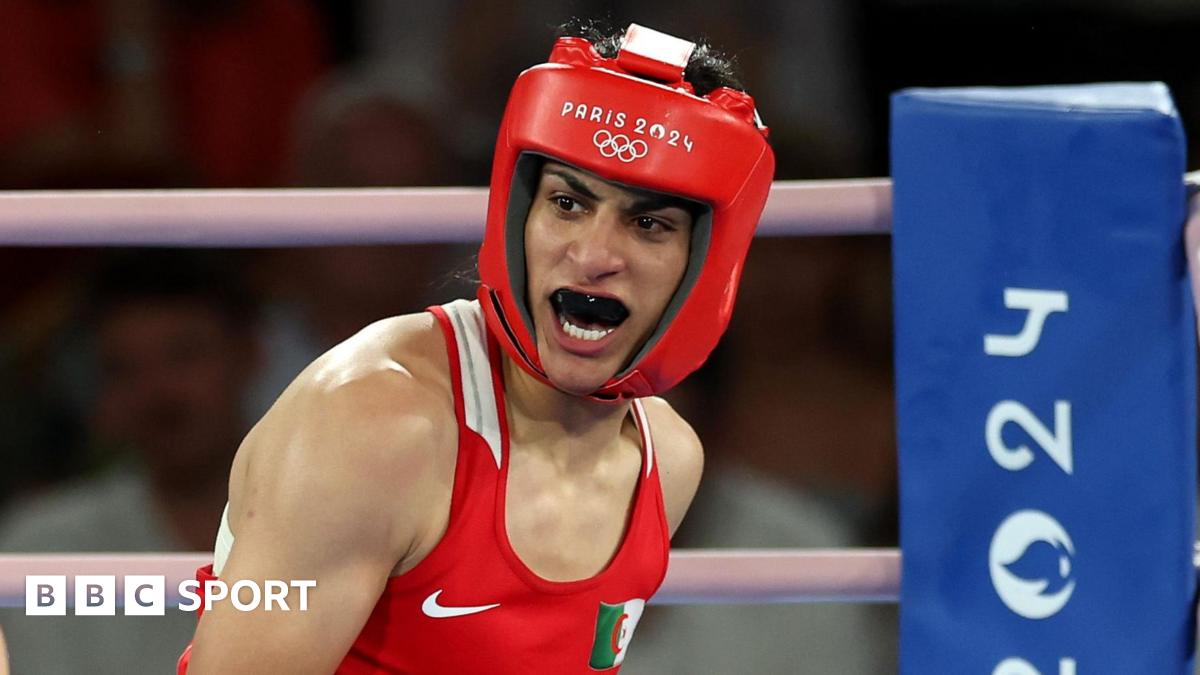
World boxing’s New Eligibility Rules Spark Controversy: A Deep Dive into Imane Khelif’s Case
World boxing, recently granted provisional recognition by the International Olympic Committee (IOC), is facing intense scrutiny over its new eligibility policy for female boxers. The policy, designed to ensure fair competition, has led to the exclusion of Algerian boxer Imane Khelif from upcoming events, including the Eindhoven Box cup, pending sex testing. This situation has ignited a debate about fairness,safety,and the evolving landscape of eligibility criteria in combat sports.
What happened with Imane Khelif?
Khelif, who has consistently competed in the women’s division, was informed by world Boxing that she would be ineligible to participate until undergoing sex testing. This decision stems from the organization’s newly implemented rules aimed at creating a level playing field. World Boxing cited concerns for the safety and wellbeing of all participants, including Khelif herself, and referenced reactions surrounding her potential participation.
The organization sent a letter to both Khelif and the Algerian Boxing Federation outlining the new policy. It emphasizes safeguarding athletes in combat sports, given the inherent physical risks of Olympic-style boxing. If an athlete’s sex certification is challenged,they will be ineligible to compete until the dispute is resolved.
The Core of the New Policy: Genetic Testing
World Boxing’s policy, currently in its final stages of development, will require all athletes over 18 participating in sanctioned competitions to undergo a PCR genetic test.This test aims to determine sex at birth and subsequent eligibility. The organization argues this is a proactive step to ensure fair competition and protect athletes.Why the Controversy?
This case has drawn comparisons to that of Caster Semenya, a runner with differences of sexual development (DSD).Some reports suggest Khelif may have XY chromosomes, a characteristic sometiems associated with DSD. however, the BBC has not independently confirmed this.
Crucially, the IOC has clarified this is not a transgender case. Rather, it centers on biological factors that could perhaps impact athletic performance. This distinction is vital,as the debate surrounding transgender athletes in sports is a separate,though related,issue.Understanding differences of Sexual Development (DSD)
DSD refers to variations in sex characteristics that don’t fit typical definitions of male or female. Thes variations can involve chromosomes, hormones, or anatomy.Athletes with DSD may have naturally higher levels of testosterone, which can provide a performance advantage in certain sports.
The debate surrounding DSD athletes focuses on balancing inclusivity with fair competition.Finding a solution that respects both principles remains a significant challenge.
IOC’s Position and Future Implications
The IOC has stated that eligibility criteria are the obligation of each International Federation. They acknowledge that factors influencing sports performance are unique to each discipline. However, the IOC also emphasized the need for any implementation of sex testing to be safe, fair, and legally enforceable.
What Does This Mean for You?
If you’re a boxer, coach, or fan, this situation highlights several key takeaways:
Evolving Regulations: Eligibility rules in sports are constantly evolving. Staying informed about changes is crucial.
Fairness and Safety: The core principles driving these changes are fairness and athlete safety. Complexities of Biological Factors: Biological factors impacting athletic performance are complex and require careful consideration.
Potential for Legal Challenges: The implementation of these rules could face legal challenges, as seen in other cases involving DSD athletes.
World Boxing’s decision and the ensuing debate underscore the ongoing challenges of defining fairness and inclusivity in sports. As the organization finalizes its policy, it will be critical to prioritize athlete wellbeing, transparency, and adherence to legal standards. The outcome of this situation will likely set a precedent for other combat sports and influence the broader conversation about eligibility in athletics.





