
The Aging Immune System: A Newly Discovered Key to Longevity and Healthy Aging
For decades, the pursuit of extending lifespan has centered on “resetting” the immune system to a youthful state. But groundbreaking research from Ben-Gurion university of the Negev is challenging this long-held belief, revealing a elegant and previously unknown component of immune function that increases with age – and appears crucial for maintaining health and longevity. this isn’t about a stronger immune system; it’s about an appropriately functioning one.
The Revelation: A Novel Subset of T Helper Cells
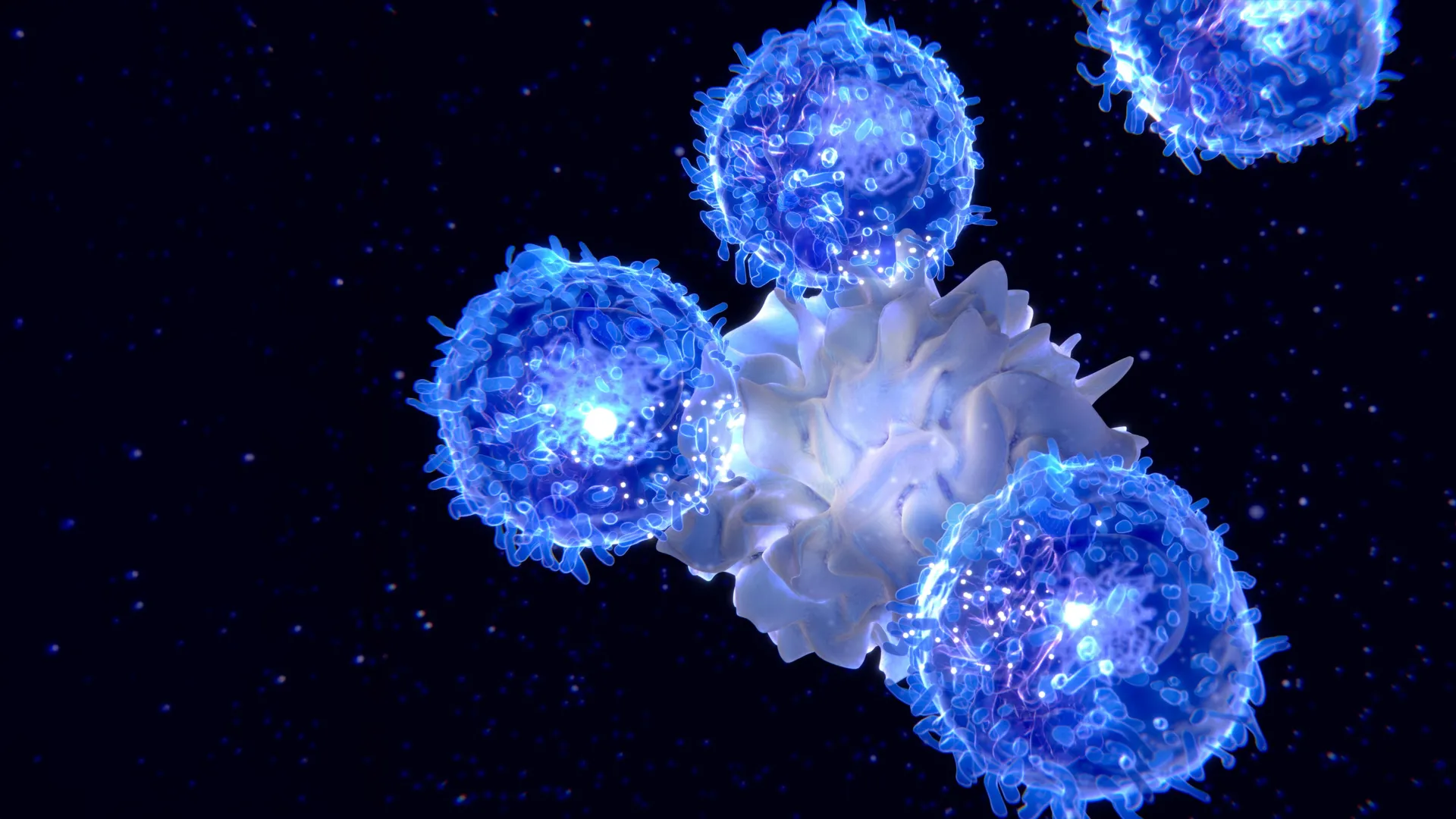
Lead by Professor Alon Monsonego of Ben-Gurion University of the Negev, in collaboration with Professor Esti Yeger-Lotem, researchers have identified a unique subset of T helper lymphocytes – a type of immune cell vital for regulating the body’s defenses – that becomes more prevalent as we age. This discovery wasn’t made in isolation. Intriguingly,a parallel study focusing on Japanese supercentenarians (individuals over 100 years old) revealed a strikingly high abundance of these same cells within their immune systems.
This correlation sparked a pivotal question: are these cells merely a byproduct of longevity, or do they actively contribute to it? Professor Monsonego’s team, along with Dr. Yehezqel Elyahu and Professor Valery Krizhanovsky of the Weizmann Institute of Science, set out to uncover the answer, publishing their findings in the prestigious journal Nature Aging.
Senescent Cells and the Immune System’s Cleanup Crew
Understanding the role of these T helper cells requires a grasp of the aging process itself. aging isn’t simply a matter of time passing; it’s a gradual decline in the body’s ability to repair cellular damage. This damage leads to the accumulation of senescent cells – cells that have stopped dividing but don’t die.While senescence is a natural process,an overabundance of these cells triggers chronic inflammation and contributes to tissue injury,hallmarks of age-related decline.
Here’s where the newly discovered T helper cells come into play.Surprisingly, these cells possess cytotoxic, or killing, capabilities. they actively seek out and eliminate senescent cells, effectively acting as a cleanup crew to mitigate the damaging effects of cellular aging.
The impact of these cells is profound. Experiments conducted by Professor Monsonego’s team demonstrated that reducing the number of these specialized T helper cells in mice resulted in accelerated aging and a considerably shortened lifespan. This provides compelling evidence that these cells aren’t just correlated with longevity; they are essential for it.
Biological Age vs. Chronological Age: A crucial Distinction
This research highlights a critical distinction often overlooked: the difference between chronological age (the number of years lived) and biological age (the actual state of your cells and systems). Biological age is far more indicative of overall health and remaining lifespan.
The shifting patterns of T helper cells with age offer a potential biomarker for tracking biological age. Professor Monsonego suggests that monitoring these immune patterns, beginning as early as our 30s, could provide valuable insights into an individual’s aging trajectory and inform personalized strategies for healthy aging. Significant discrepancies between chronological and biological age are not uncommon, and early detection allows for proactive intervention.
Rethinking Immune Rejuvenation: Appropriateness Over Amplification
The implications of this research extend beyond diagnostics. The conventional wisdom surrounding anti-aging strategies often focuses on “rejuvenating” the immune system by restoring it to a youthful state. However, Professor Monsonego’s work suggests this approach may be misguided.
“People say that to reverse aging and ‘rejuvenate,’ we need to reset their immune system like the immune systems of people in their 20s,” explains Professor Monsonego. “Though, our research shows that this might not be the case. People don’t need a super-charged immune system; they need one that is working properly and appropriate for their stage in life. So, one of the ‘axioms’ of how to reduce aging might potentially be incorrect.”
This paradigm shift suggests that future therapies should focus not on simply boosting immune function, but on optimizing it for each stage of life – ensuring the appropriate balance and functionality of these critical T helper cells.
Future Directions: Diagnostics, Treatments, and a Deeper understanding of Aging
The discovery of this unique T helper cell subset opens exciting new avenues for research and potential therapeutic interventions. These cells represent a promising target for diagnostics, allowing for the assessment of biological age and the identification of individuals at risk for age-related diseases. Moreover,understanding the mechanisms by which these cells function could lead to the development of novel treatments designed




![Love vs. Medicine: When to Trust Your Heart & Instincts | [Your Niche – e.g., Relationship Advice, Health & Wellness]](https://i0.wp.com/kevinmd.com/wp-content/uploads/Gemini_Generated_Image_tll9j4tll9j4tll9-1024x717.png?resize=330%2C220&ssl=1 "Love vs. Medicine: When to Trust Your Heart & Instincts | [Your Niche – e.g., Relationship Advice, Health & Wellness]")


![Boost Android Performance: Essential Settings & Hidden Features [Video]](https://i0.wp.com/9to5google.com/wp-content/uploads/sites/4/2025/12/Google-Pixel-10-Pro-XL-in-hand.jpg?resize=1200%2C628&quality=82&strip=all&ssl=1 "Boost Android Performance: Essential Settings & Hidden Features [Video]")