
Remembering Imran Sherwani: A Hockey Legend adn His Battle with Alzheimer’s
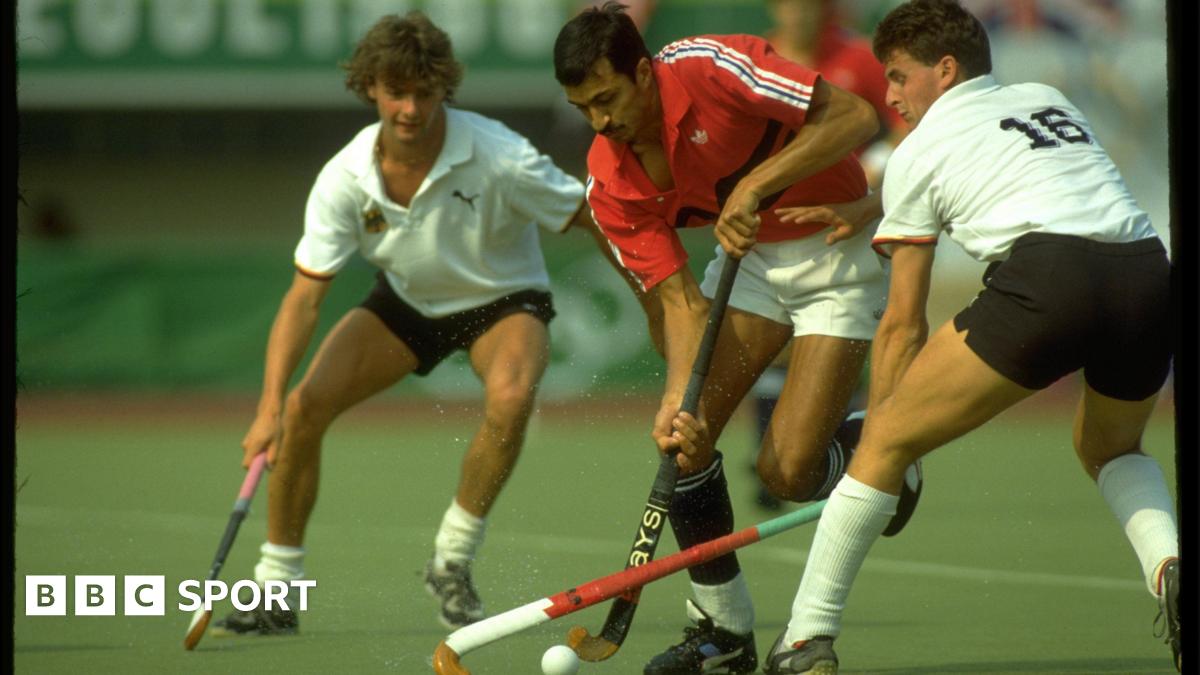
The world of hockey mourns the loss of Imran Sherwani, a pivotal figure in Great Britain’s 1988 Olympic gold medal victory, who passed away at the age of 63. Sherwani’s impact extended far beyond that iconic Seoul final, leaving a legacy of sporting excellence and, more recently, raising awareness about the challenges of Alzheimer’s disease. This article delves into his remarkable career, the poignant circumstances surrounding his passing, and the broader conversation around neurodegenerative diseases in athletes.
A Golden Moment & Illustrious Career
imran Sherwani wasn’t just a player; he was a catalyst. His two goals in the 1988 Olympic final against West Germany, culminating in a 3-1 win for Great britain, cemented his place in sporting history. The moment was immortalized by commentator Barry Davies’ famously exuberant reaction: “Where were the Germans? But frankly, who cares!”
Key Facts: Imran Sherwani
- Sport: field hockey
- Nationality: British
- Olympic Gold Medal: 1988 Seoul Olympics
- International Caps: 94 (Combined for Great Britain & England)
- diagnosis: Alzheimer’s Disease (2019)
But his achievements didn’t begin and end with that single game. Sherwani represented both Great Britain and England a combined 94 times, demonstrating consistent dedication and skill throughout his career. He wasn’t merely a goal scorer; he was a leader, inspiring teammates and captivating fans with his humility and talent. He later transitioned into coaching, serving as the director of hockey at a school in Staffordshire, passing on his passion and expertise to the next generation.
The Shadow of Alzheimer’s: A Growing Concern in Sports
In 2019,Sherwani received a diagnosis of Alzheimer’s disease,a heartbreaking revelation that brought attention to a growing concern: the potential link between contact sports and neurodegenerative conditions. Recent research, including a 2023 study published in JAMA Neurology, suggests a possible correlation between repetitive head impacts and an increased risk of developing neurodegenerative diseases later in life. While hockey isn’t traditionally considered a high-impact sport like American football, the risk of concussions and subconcussive impacts exists.
Did You Know?
Imran sherwani came from a family steeped in sporting tradition. His father represented Pakistan in hockey, and his great uncles played professional football for Stoke City and Port Vale.
This raises crucial questions: What preventative measures can be taken to protect athletes? Should protocols for concussion management be strengthened across all sports? And what support systems are available for athletes diagnosed with neurodegenerative diseases? The conversation is evolving, and Sherwani’s story serves as a powerful reminder of the importance of prioritizing athlete safety and long-term health.
understanding Alzheimer’s Disease & Available Support
Alzheimer’s disease is a progressive brain disorder that gradually destroys memory and thinking skills.Symptoms typically develop slowly and worsen over time,eventually impacting daily life.While there is currently no cure,early diagnosis and intervention can definitely help manage symptoms and improve quality of life.
Pro Tip:
if you or a loved one is experiencing memory loss or cognitive decline, consult a medical professional immediately. Early diagnosis is crucial for effective management of alzheimer’s disease.
Organizations like the Alzheimer’s Society (https://www.alzheimers.org.uk/) and the Alzheimer’s Association (https://www.alz.org/) offer invaluable resources,support groups,and data about the disease. They also advocate for increased research funding and improved care for those affected.
The Legacy of a Champion: Beyond the Gold Medal
Imran Sherwani’s legacy extends far beyond his Olympic triumph. He was





![NJPW Contract News: [Wrestler Name] Future & Potential Options](https://i0.wp.com/www.f4wonline.com/wp-content/uploads/2025/12/G9TRqeBboAAscDt.jpg?resize=330%2C220&ssl=1 "NJPW Contract News: [Wrestler Name] Future & Potential Options")


