India-Bangladesh Relations strain amidst Security Concerns and Political Uncertainty
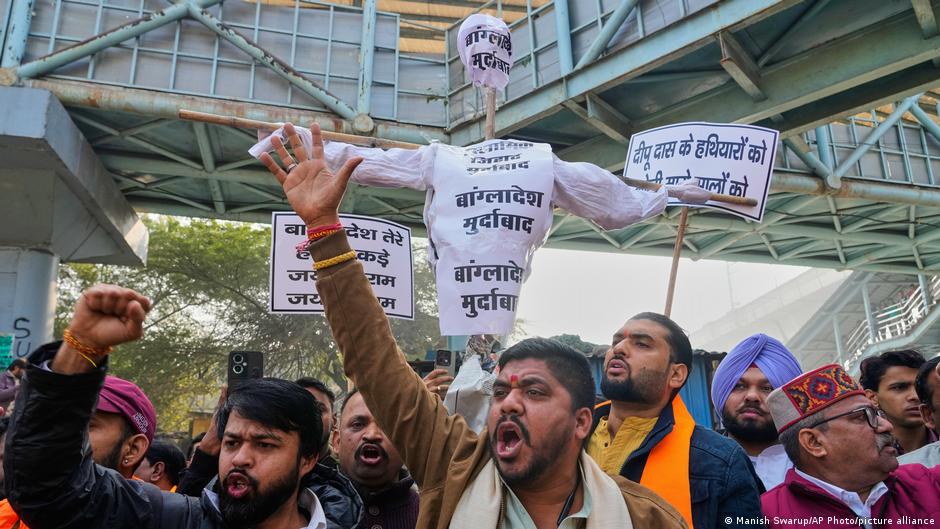
recent diplomatic tensions between India and Bangladesh have escalated, stemming from reciprocal actions regarding the security of diplomatic missions and a broader context of political instability within Bangladesh. Services at indian visa centers in Bangladesh were temporarily suspended following tangible, credible threats to both missions and personnel. While operations have resumed across most locations, the situation in Chittagong remains precarious, with a continuing, real threat assessment.
Several factors are contributing to this complex situation. A key element is the perception, held by some, that BangladeshS response is largely retaliatory.Concerns are rising that dhaka is attempting to manufacture a false equivalence, claiming similar dangers to its missions in india. This narrative, according to seasoned observers, appears to be primarily for domestic consumption and isn’t supported by comparable security realities.
Summoning high commissioners is standard diplomatic procedure when concerns arise. However, a crucial distinction exists between legitimate security threats and calculated political maneuvering. You, as a follower of international affairs, likely recognize this nuance.
A Looming Political Crisis in bangladesh
Experts believe the current crisis will likely de-escalate in the short term.However, a full restoration of normal india-Bangladesh relations hinges on a stable, democratically elected government taking power in Dhaka. The current caretaker management faces significant challenges to its legitimacy and effectiveness.
Here’s a breakdown of the key issues:
* Internal Political Instability: Fringe political elements are currently dominating the narrative within Bangladesh, a situation that doesn’t accurately reflect the views of the majority of the population.
* Concerns Over Governance: Recent events, including actions taken against newspapers like Prothom Alo and Daily Star, raise questions about the interim government’s competence or intentions. these actions have demonstrably hindered efforts to repair relations with India.
* Lack of Legitimacy: The caretaker administration currently lacks both the political will and the perceived legitimacy needed to effectively address the situation and reassure India.
On December 18th, riots erupted following the assassination of youth leader Hadi, resulting in mobs vandalizing, looting, and setting fire to the headquarters of the aforementioned newspaper offices. This underscored the fragility of the situation.
The Path Forward: A Waiting Game
Currently, a stalemate exists. India is awaiting a credible partner in Dhaka - a government with both the authority and the genuine desire to normalize relations. unless Bangladesh signals a clear intent to address these concerns, New Delhi is unlikely to alter its current stance.
You can expect India to remain cautious and prioritize its own security interests. The situation highlights the importance of a stable and predictable political landscape in Bangladesh for maintaining strong bilateral ties.
This period of uncertainty underscores the delicate balance of regional diplomacy and the critical need for both nations to prioritize constructive dialog and mutual respect. The future of India-Bangladesh relations depends on it.
(Embedded Video note: The included video about a mosque and temple sharing a courtyard in Bangladesh, while relevant to the region, doesn’t directly address the core diplomatic tensions. It serves as contextual background, showcasing the potential for harmony within Bangladesh despite current challenges.)