Deadly Landslide in India Highlights Escalating Monsoon Risks Across South Asia
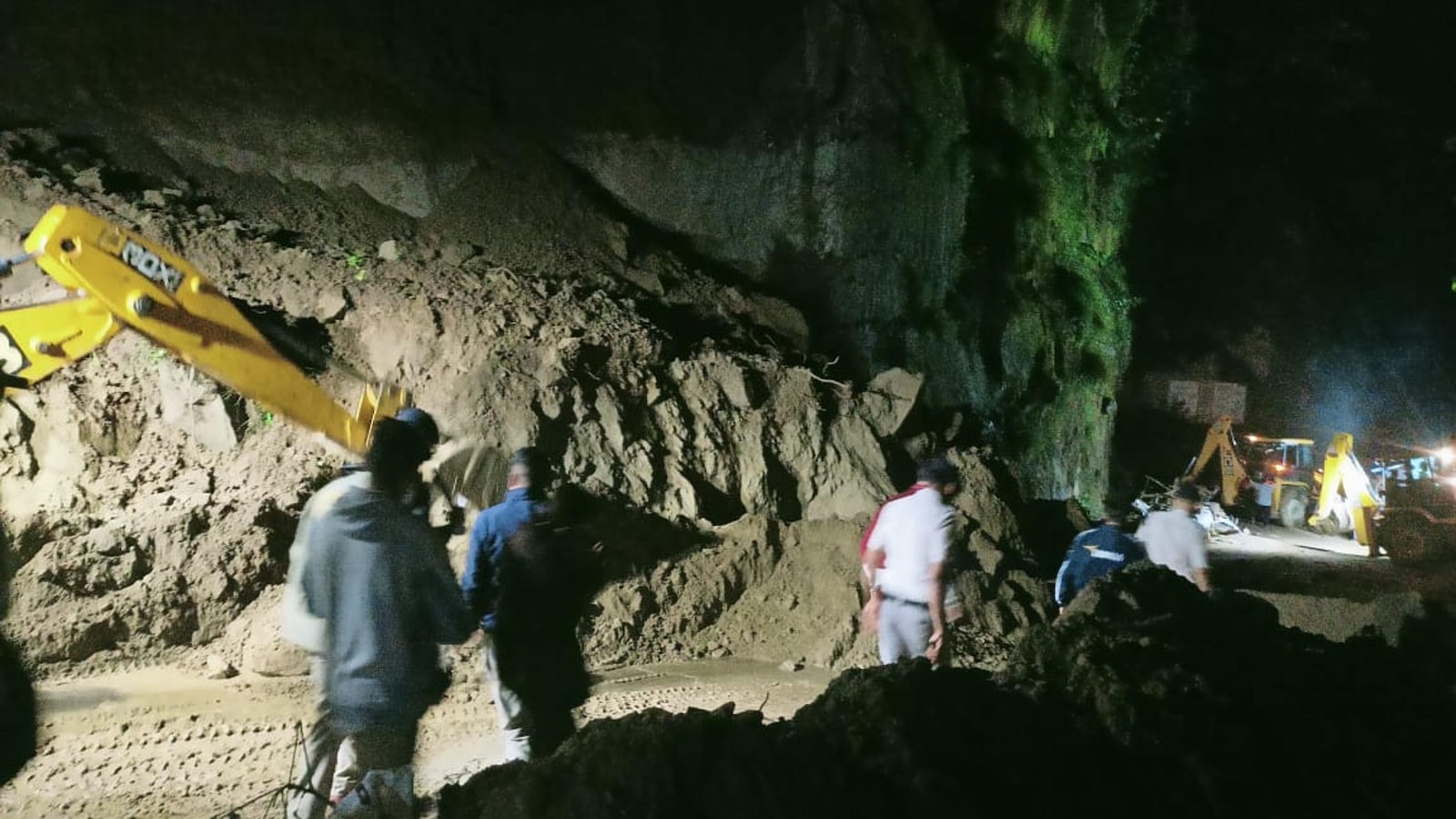
A devastating landslide struck a bus traveling near Bilaspur district in India, claiming the lives of at least 15 people and leaving others missing. This tragedy, occurring amidst days of relentless rainfall, underscores the growing vulnerability of the South Asian region to extreme weather events.Rescue efforts are ongoing, but the unstable terrain and continued precipitation are considerably hindering progress.
The Bilaspur bus Tragedy: A Closer Look
The incident unfolded on a hilly stretch of road, already weakened by prolonged heavy rains. Reports indicate the bus carried between 20 and 25 passengers when the landslide occurred. Tragically, among the deceased are nine men, four women, and two children.
Fortunately,three injured children were rescued and are currently receiving medical attention at a local hospital. Authorities are diligently searching for any remaining passengers believed to be trapped, though hopes are diminishing with each passing hour.
A Region Under Siege: Monsoon Intensification
This disaster isn’t isolated. South Asia is experiencing a surge in extreme rainfall,triggering widespread flooding and landslides across multiple nations. Consider these recent events:
* Pakistan: Severe monsoon rains have caused widespread devastation.
* Nepal: At least 44 people lost thier lives over the weekend due to mudslides and flooding. Kathmandu experienced notable flooding and flight cancellations.
* India (Uttarakhand): An entire village was swept away by flash floods in August.
These events highlight a disturbing trend: the monsoon season, traditionally predictable, is becoming increasingly erratic. You’re now seeing intense bursts of rainfall followed by prolonged dry spells, creating a hazardous cycle of instability.
The Climate Change Connection
Experts increasingly agree that human-induced climate change is exacerbating the intensity of South Asia’s monsoons. Traditionally running from June to September, and again from October to December, these rains are now arriving with unprecedented force. This means more water in shorter periods, overwhelming infrastructure and destabilizing fragile mountain slopes.
What does this mean for you? It means increased risk of displacement,loss of life,and economic disruption. It also means a critical need for proactive measures to mitigate these risks.
What Can Be Done?
Addressing this escalating crisis requires a multi-faceted approach. Here are some key areas of focus:
* Improved Infrastructure: Investing in resilient infrastructure, including roads, bridges, and drainage systems, is crucial.
* Early Warning Systems: Strengthening early warning systems can provide communities with vital time to prepare and evacuate.
* Land-Use Planning: Implementing responsible land-use planning can minimize construction in vulnerable areas.
* Climate Mitigation: Globally, reducing greenhouse gas emissions is essential to slow the pace of climate change.
* Community Preparedness: Empowering local communities with the knowledge and resources to respond to disasters is paramount.
The recent tragedies serve as a stark reminder of the urgent need for action. As the climate continues to change, protecting vulnerable populations and building resilience will be essential for ensuring a safer future for South Asia.
Leaders across the region, including President Draupadi Murmu and Prime Minister Narendra Modi, have expressed their condolences. Though, condolences alone are not enough. A concerted, collaborative effort is needed to address the root causes of this escalating crisis and protect communities from the devastating impacts of extreme weather.