India’s Potential Bowling Lineup for the Australia Challenge: A Deep Dive
(Image of India vs.Pakistan Asia Cup Final)
The Asia Cup Final provided valuable insights into India’s bowling prowess, but the upcoming challenge against Australia demands a nuanced approach. Selecting the optimal attack will be crucial for success, and several key considerations are at play.Let’s break down the possibilities and what might give India the edge.
Current Strengths: A Solid Foundation
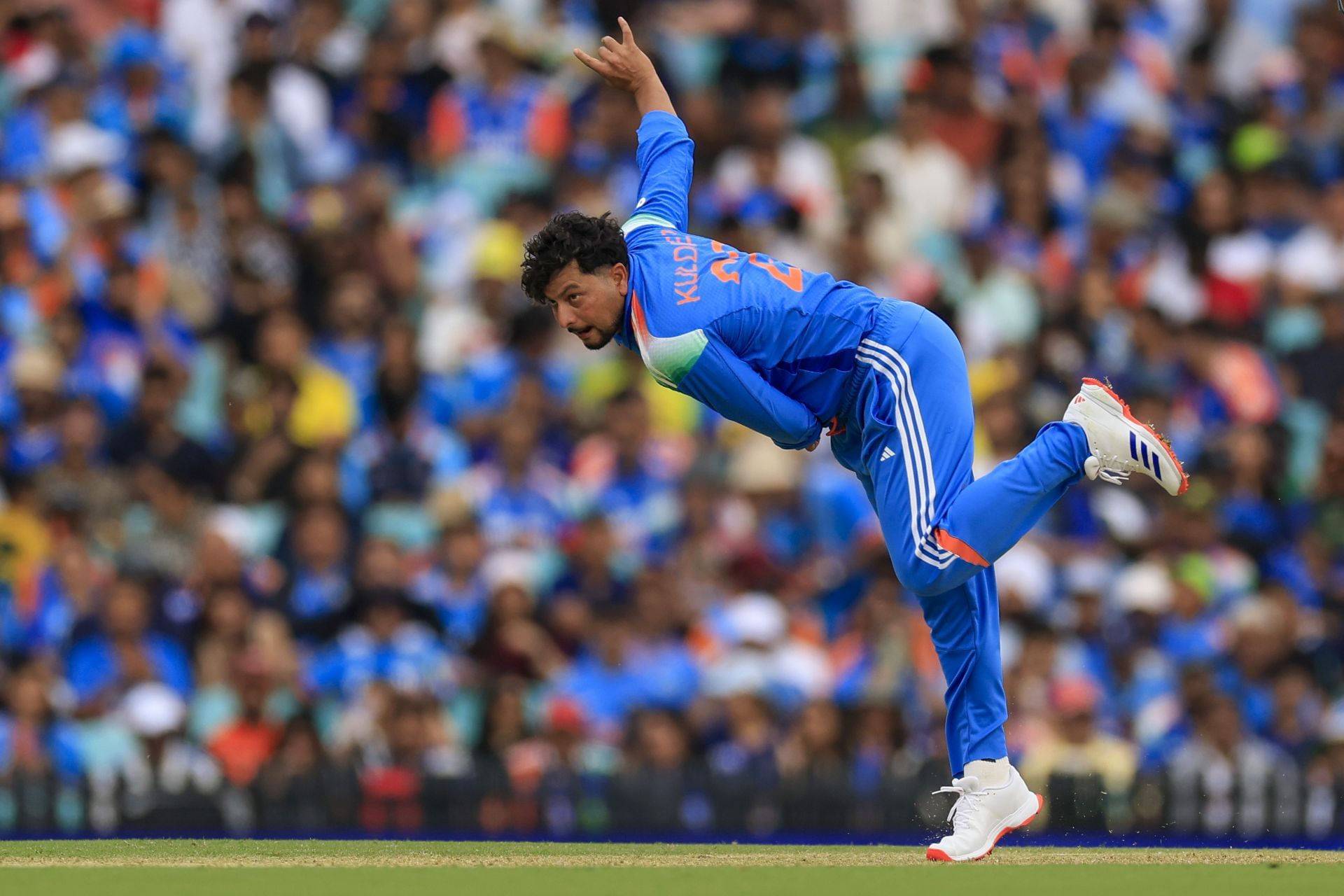
Currently, Harshit Rana and Jasprit Bumrah are establishing themselves as India’s premier pace pairing. Their ability to generate pace and extract movement is a notable asset. Complementing them, the spin duo of Varun Chakaravarthy and Kuldeep Yadav offer a potent threat through the middle overs.
The Arshdeep singh Debate: Risk vs. Reward
A potential alteration involves substituting arshdeep Singh for Kuldeep Yadav.While Arshdeep brings a different dimension with his left-arm angle and death-bowling skills, this change could leave india vulnerable.Australia’s batting lineup is renowned for its power-hitting capabilities, and sacrificing the middle-overs control offered by Kuldeep might prove costly.
Consider this: Kuldeep’s variations and ability to pick up wickets in the middle overs can stifle opposition momentum. Arshdeep, while effective, doesn’t quite possess the same wicket-taking threat in those crucial stages.
Why Maintaining the Balance Matters
You need to remember that Australia boasts a formidable batting order. Their players excel at targeting spin, but also thrive against predictable pace.A balanced attack, like the one currently favored, provides multiple challenges and keeps the batsmen guessing.
Here’s a breakdown of why the current setup is strong:
* Bumrah & Rana: Provide consistent pace and early wickets.
* Chakaravarthy & Kuldeep: Offer spin variety and control the middle overs.
* Combined Effect: Forces Australian batsmen to adapt to different bowling styles.
Is a Change Likely?
A shift in the bowling lineup isn’t entirely off the table, but it appears improbable at this stage. The current combination has demonstrated its effectiveness, and a significant change carries inherent risks. However, the team management will undoubtedly assess the pitch conditions and consider Australia’s specific batting strengths before making a final decision.
Ultimately, the goal is to create a bowling attack that can consistently take wickets and restrict australia’s scoring opportunities. Maintaining a balance between pace and spin, and ensuring a variety of bowling options, will be paramount to India’s success.
Edited by Sai Krishna