Indonesia Steps Forward as a potential Mediator in the Israeli-Palestinian Conflict
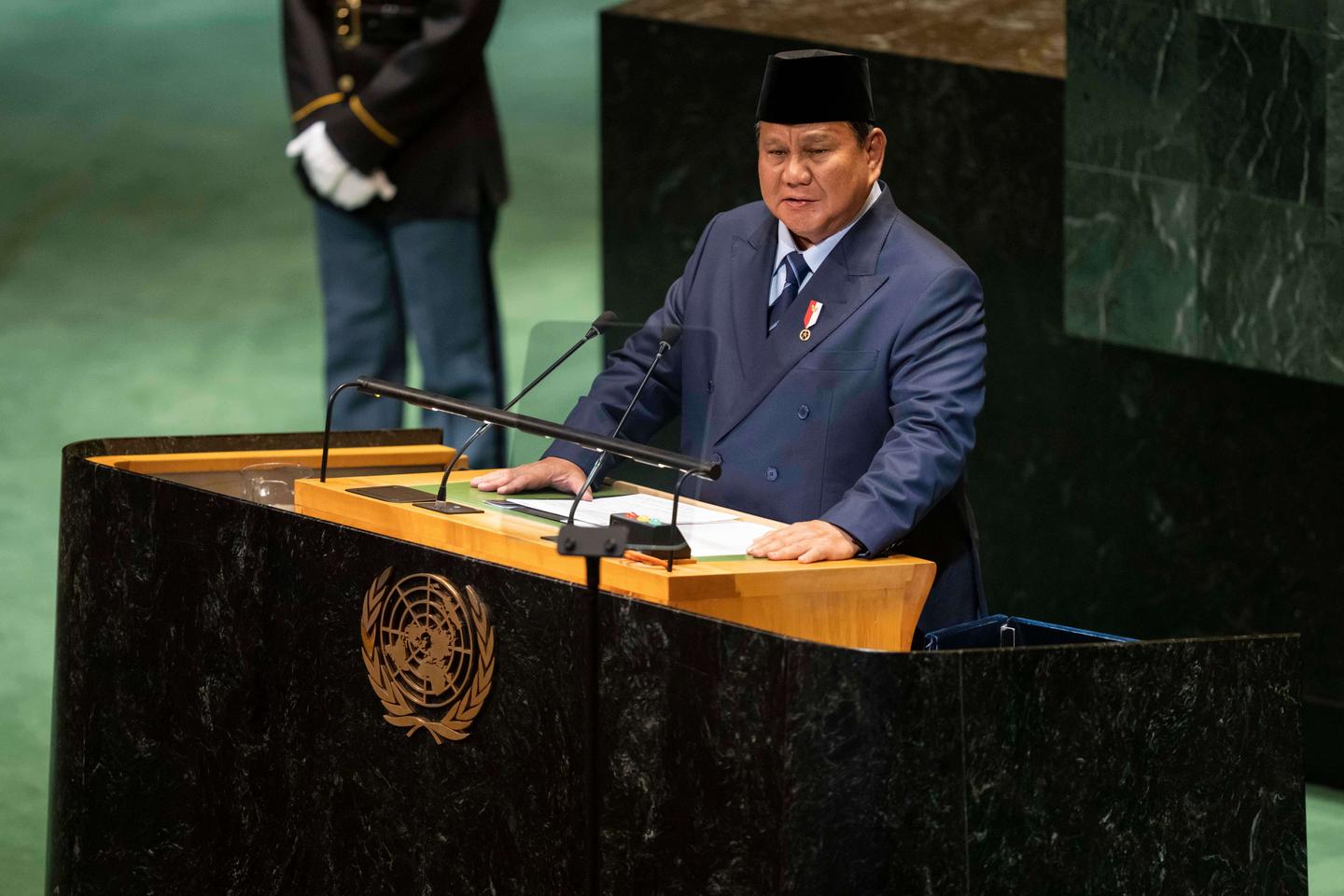
Indonesia is poised to play a more active role in the pursuit of peace between Israel and Palestine. President Prabowo Subianto recently articulated this commitment on the world stage, addressing the 80th session of the United Nations General Assembly in late September. This marks a significant moment, particularly as Indonesia is the world’s most populous Muslim-majority nation.
For decades, Indonesia has been a steadfast supporter of Palestinian statehood, formally recognizing Palestine in 1988. Now, the nation is offering more than just diplomatic support. President Subianto announced Indonesia’s willingness to contribute personnel to potential peacekeeping operations.
Though, his address included a perhaps groundbreaking proposition. He stated Indonesia is prepared to recognize Israel and offer security guarantees – but only under the condition that Israel reciprocates by recognizing a Palestinian state. this nuanced stance has sparked considerable discussion.
A Shift in Approach?
Traditionally, Indonesia has focused on advocating for a two-state solution. Therefore, the explicit mention of recognizing israel, even conditionally, has raised questions about a possible evolution in Indonesian foreign policy. You might be wondering what prompted this shift.
It appears to be a calculated move aimed at fostering a more pragmatic approach to achieving lasting peace. President Subianto also voiced strong support for a two-state solution at a summit convened by France and Saudi Arabia on September 22nd. The following day, he joined other Arab and muslim leaders alongside U.S. President Donald Trump to discuss the specifics of a proposed peace plan.
Navigating a Complex Landscape
This increased diplomatic activity is particularly noteworthy as it represents President Subianto’s first appearance at the United Nations. Elected in 2024,the 74-year-old former general is stepping into a prominent international role. It’s also important to remember that the Palestinian cause resonates deeply with the Indonesian public.
Here’s a breakdown of the key elements of indonesia’s proposed approach:
* Peacekeeping Contribution: Offering personnel for peacekeeping operations demonstrates a commitment to on-the-ground stability.
* Conditional Recognition of Israel: This is a significant departure from past rhetoric, signaling a willingness to engage directly.
* Reciprocal Recognition: The conditionality ensures that Palestinian statehood remains central to any agreement.
* Support for a Two-State Solution: Indonesia continues to champion the internationally recognized framework for peace.
What Does This Mean for the Future?
Indonesia’s willingness to engage in this complex diplomatic dance could be a game-changer. It presents a unique opportunity to bridge divides and facilitate meaningful negotiations. You can expect to see Indonesia actively working to:
* Facilitate Dialogue: Leveraging its relationships with both Israeli and palestinian leaders.
* promote Confidence-Building Measures: Encouraging steps that foster trust and reduce tensions.
* Advocate for a Just and Lasting Peace: Remaining steadfast in its commitment to a two-state solution.
Ultimately, Indonesia’s proactive stance reflects a growing desire for a resolution to the Israeli-Palestinian conflict. It’s a bold move that could pave the way for a more peaceful and stable future for the region.This is a developing story, and we will continue to monitor the situation closely.