
Egypt is significantly expanding its industrial footprint in the chemical sector, headlined by a major agreement to establish a new phosphate fertiliser plant in the Suez Canal Economic Zone (SCZONE). Indorama Egypt Fertilisers has committed to a first-phase investment of $525 million to build an integrated industrial complex, signaling a strategic push to position the country as a key hub for agricultural exports.
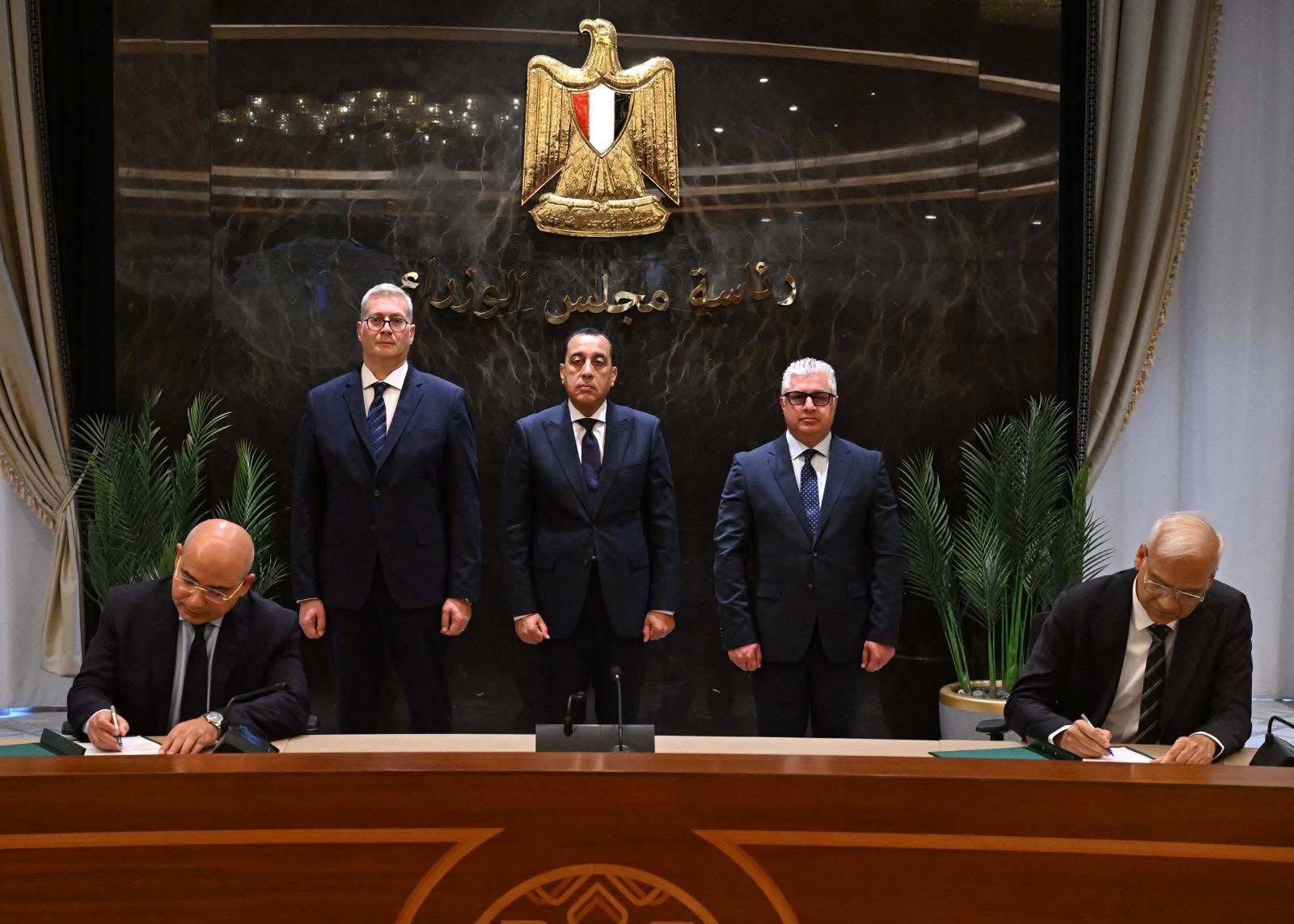
The deal, signed on Wednesday, April 8, 2026, was witnessed by Prime Minister Mostafa Madbouly at the government headquarters in the New Administrative Capital during a series of industrial agreements. The project is designed with a strong global outlook, targeting 80% of its total production for export to international markets, leveraging the strategic logistics of the Sokhna Industrial Area.
This initiative is part of a larger investment wave in the SCZONE, which saw total agreements worth $740 million signed on the same day, including a separate $215 million chemicals project by Polyserve for the Sokhna Integrated Industrial Zone. For Egypt, these developments represent a shift toward high-value manufacturing and a reduction in the reliance on raw material exports in favor of processed chemical products.
Industrial Scale and Production Capacity
The Indorama facility will be constructed on a sprawling site of 522,000 square metres. In its first phase, the plant aims for an annual production capacity of 600,000 tonnes of phosphate fertilizers and related products. The scale of the operation is intended to support both agricultural and industrial supply chains, providing a steady stream of essential nutrients and chemicals.
The production line is comprehensive, encompassing a wide array of materials. Beyond phosphatic fertilisers, the complex will produce:
- Rock phosphate, ammonia, and sulphur
- Potash (potassium chloride) and urea
- Specialised chemicals including zinc sulphate, boric acid/sodium borate, and sodium molybdate
To ensure the sustainability of the production cycle, a separate contract was signed between Indorama Global Holdings and the PhosPhate Misr Company to supply the necessary phosphate ore. This vertical integration ensures that the new industrial complex has a guaranteed supply of raw materials to meet its ambitious production targets.
Economic Impact and Job Creation
The project is expected to be a significant driver of local employment. Officials estimate the creation of 3,000 jobs in total throughout the project’s lifecycle. This includes 500 positions during the initial construction stage and 2,500 direct positions once the facility enters its operational phase.
Beyond immediate employment, the project aims to deepen local manufacturing capabilities. Walid Gamal El-Din, Chairperson of the SCZONE, noted that the project reflects the zone’s success in attracting “specialised industrial investments with high capital and technological intensity.” He emphasized that by managing the process from intermediate materials to final products, Egypt can enhance the value chains for chemical industries that depend on mining raw materials and increase the domestic value added.
Key Project Details at a Glance
| Metric | Detail |
|---|---|
| First-Phase Investment | $525 million |
| Target Export Percentage | 80% |
| Annual Production Capacity (Phase 1) | 600,000 tonnes |
| Total Land Area | 522,000 square metres |
| Total Job Creation | 3,000 (2,500 operational, 500 construction) |
Strategic Governance and Signatories
The formalization of the project involved key leadership from both the Egyptian government and the private sector. The contract was signed by Mukul Agrawal, Chief Executive of Indorama, and Mostafa Sheikoun, the SCZONE Vice Chairperson for Investment and Promotion during the ceremony in the New Administrative Capital.

The event was attended by high-ranking officials to underscore the state’s support for the venture, including Petroleum and Mineral Resources Minister Karim Badawi and SCZONE Chairperson Walid Gamal El-Din. The presence of the Prime Minister and the Minister of Petroleum highlights the project’s alignment with Egypt’s broader economic strategy to maximize the utility of its mineral resources.
The integration of this plant within the Sokhna Industrial Area allows Indorama to benefit from the SCZONE’s infrastructure and proximity to global shipping lanes, which is critical for a project intending to export the vast majority of its output.
As the project moves from the contract stage to construction, the next phase will involve the mobilization of the 500 construction workers and the commencement of site preparation in the Sokhna Industrial Area. Further updates on the construction timeline and the operational start date are expected as the first phase progresses.
Do you think these industrial investments will sufficiently diversify Egypt’s economy? Share your thoughts in the comments below.