
dire Conditions and Abuse Allegations Surface at El Salvador Detention Center for Migrants
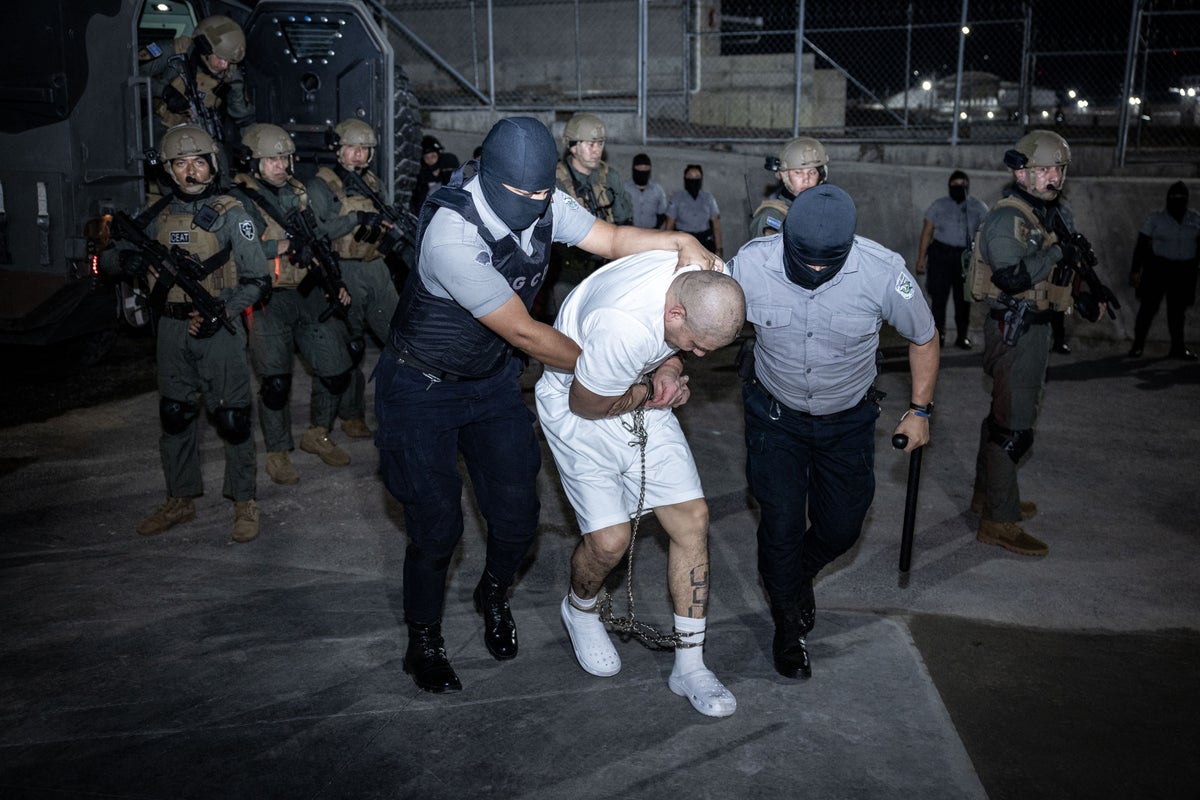
Recent reports paint a harrowing picture of conditions within a detention center in El Salvador, where migrants faced severe abuse, neglect, and psychological trauma. Investigations reveal a pattern of systemic mistreatment, raising serious concerns about human rights and the welfare of vulnerable individuals. This article delves into the allegations, the experiences of former detainees, and the responses from authorities.
A Cycle of Violence and Despair
Former detainees consistently describe a climate of fear and brutality at the facility. Several individuals allege they were subjected to physical and sexual abuse by guards. Disturbingly, some reported being forced to perform degrading acts.
These allegations are particularly troubling, highlighting a complete disregard for the basic human dignity of those held within the center. You deserve to be treated with respect,regardless of your immigration status.
Medical Neglect and Widespread Illness
Access to adequate medical care was reportedly severely limited. Most former detainees stated they received little to no attention from medical staff while incarcerated.
* Thirty-seven out of forty former detainees reported falling ill during their confinement.
* This lack of care exacerbated existing health conditions and contributed to the overall suffering of those held.
* The situation underscores a critical failure to provide even basic healthcare to a vulnerable population.
Psychological Toll of Detention
Beyond the physical abuse, the psychological impact of detention was profound. Former detainees spoke of the crushing despair and hopelessness they experienced.
Flavio T., using a pseudonym to protect his identity, shared that the most difficult aspect of his detention was the guards’ constant assertion that they would never be released and that their families had abandoned them. This intentional attempt to break spirits is a form of psychological torture.
Desperate Acts of Protest
In May,inmates staged a hunger strike,hoping to pressure guards to end the beatings. The protest escalated with a “blood strike,” where detainees cut themselves with a sharpened piece of aluminum.
They used their blood to write ”we are migrants, not terrorists” on a bed sheet, raising it as a banner. This desperate act demonstrates the lengths to which these individuals were willing to go to be heard and recognized as human beings.
Despite a government official’s promise to halt the violence, the beatings continued. This broken promise further eroded trust and deepened the sense of hopelessness.
A Facade of Improvement Before Release
Just days before their release in July, detainees allege guards attempted to conceal the harsh realities of the center. Mattresses and dentists were brought in, seemingly to present a more favorable image for potential media coverage.
This last-minute effort to “clean up” the facility for the cameras is a cynical attempt to mask systemic abuse and neglect. It does nothing to address the underlying issues or provide redress for the harm inflicted.
Official Response and Ongoing Concerns
A spokesperson for the previous governance stated a commitment to removing individuals deemed ”perilous criminal and terrorist illegal aliens.” However, this narrative fails to address the documented reports of abuse and the vulnerability of those detained.
It’s crucial to remember that migrants are individuals with inherent rights, and their treatment must align with international human rights standards. Further inquiry and accountability are essential to ensure such abuses do not occur again.
Moving Forward
The allegations surrounding this detention center demand a thorough and impartial investigation. You have the right to demand transparency and accountability from authorities.
* Self-reliant monitoring of detention facilities is vital.
* Access to legal counsel and healthcare must be guaranteed.
* Protecting the rights and dignity of migrants should be a paramount concern.
This situation serves as a stark reminder of the challenges faced by migrants and the importance of advocating for humane and just immigration policies. It’s a call to action to ensure that all individuals, regardless of their status, are treated with respect and dignity.





