
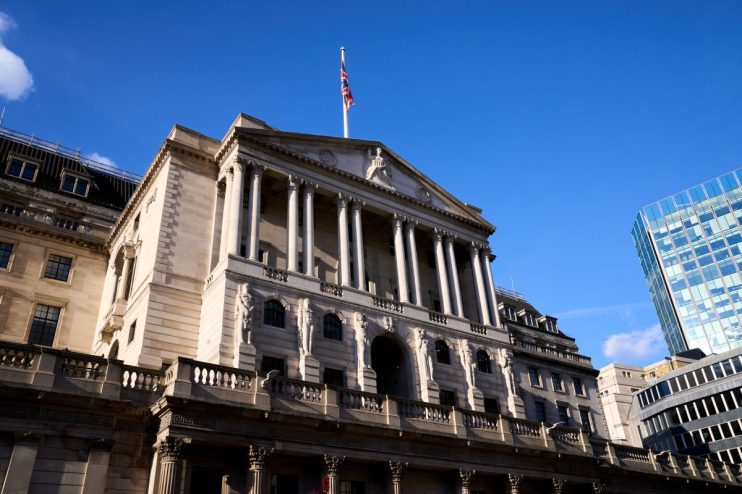
UK Economy Faces a Tightrope Walk: Inflation, Interest Rates, and rising Unemployment
The UK economy is navigating a complex landscape of challenges, prompting challenging decisions from the Bank of England and sparking debate over government policies. Concerns are mounting that short-term fixes could exacerbate long-term economic vulnerabilities. Let’s break down the key issues and what they mean for you.
The Inflation-Growth Dilemma
Currently, policymakers are walking a tightrope. They’re attempting to stimulate economic growth, but this risks fueling inflation. This frequently enough leads to taking chances with inflation through policies intended to boost growth.
Moreover, keeping headline interest rates artificially low can make government debt more manageable. However, this approach can also devalue the currency and ultimately worsen inflationary pressures. You might be wondering why this matters - it impacts the cost of everything from your groceries to your mortgage.
A Worrisome Signal from Bond markets
Bond markets are sending a clear signal of concern regarding the UK’s economic stability. Currently, it costs the UK more to borrow money for 10 years than it does Portugal, Ireland, Italy, Greece, or Spain. This disparity reflects a lack of confidence in the UK’s fiscal credentials and adds pressure on the government to demonstrate responsible economic management.
Interest Rate Cuts on the Horizon - But Why?
The Bank of England is widely expected to cut interest rates at its next meeting. However,the reasoning behind this potential move is causing anxiety among economists.
Some Bank members fear that rising wages will trigger a surge in prices. The upcoming increase in the national living wage, expected in the Budget, is adding to these concerns. Yet, rapidly deteriorating jobs data is pushing dovish members of the Monetary Policy Committee to advocate for a cut in December.
The Rising Unemployment Rate
Recent data reveals a concerning trend: the unemployment rate has climbed to 5%. This increase coincides with a meaningful tax burden placed on businesses last year - approximately £25 billion through hikes to employers’ National Insurance Contributions (NICs).
Businesses Feeling the Strain
analysis by the Conservative party has identified around 60,000 job losses across various sectors.These include major companies like Ford, EY, the Post Office, and Vodafone. This paints a clear picture of declining business confidence.
* Declining Confidence: Surveys directly correlate with public reports of job cuts, highlighting a widespread lack of optimism among businesses.
* Tax Impact: Increased employer NICs are cited as a major contributing factor to the downturn.
* Real-World Consequences: you are likely to feel the impact of these job losses through reduced economic activity and potential strain on public services.
Andrew Griffith MP, shadow business and trade secretary, argues that Labor’s tax policies are damaging business confidence and driving up unemployment. He proposes that the conservatives would prioritize business growth by scrapping business rates for 250,000 high street firms.
What Does This Mean for You?
The current economic situation is complex and evolving. Here’s what you should be aware of:
* Inflation Risk: Be prepared for potential price increases, especially if wages continue to rise rapidly.
* Interest Rate Fluctuations: Monitor interest rate changes,as they directly impact borrowing costs for mortgages,loans,and credit cards.
* Job Market Uncertainty: Stay informed about the job market, particularly in sectors experiencing layoffs.
* Government Policy: Pay attention to government policies and their potential impact on the economy and your personal finances.
further Reading:
* Office for budget Responsibility (OBR): https://obr.uk/economic-and-fiscal-outlooks/
* city A.M. - Unemployment Rate: https://www.cityam.com/unemployment-rate-surges-to-5-per-cent/
* City A.M. – Shadow MPC Rate cut: [https://www.cityam.com/cut-interest-rates-by-25-basis-points-shadow-mpc-says/](https




