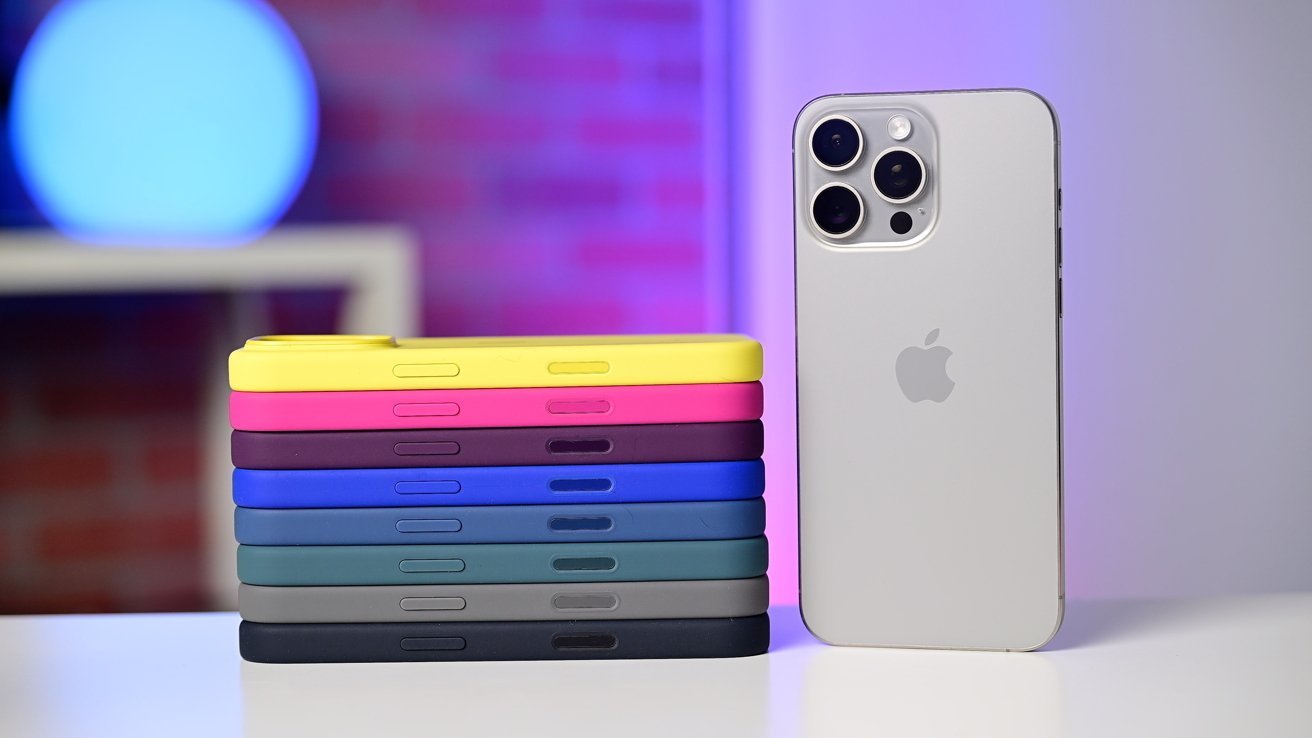
The Return of the bumper? Exploring Apple‘s Potential iPhone 17 Case Design
The world of iPhone accessories is constantly evolving, but sometimes, the most innovative ideas come from revisiting the past. Recent reports suggest Apple is considering a surprising throwback: bringing back the “bumper” case for the iPhone 17. This isn’t just a nostalgic whim; it signals a potential shift in Apple’s design philosophy and a response to evolving consumer preferences. This article delves into the history of the iPhone bumper,the reasons for its potential revival,the technical considerations involved,and what it could mean for the future of iPhone protection and aesthetics. We’ll explore the implications for the rumored “iPhone 17 Air” or “Slim” model, and analyze the broader trends in mobile device case design.
Did You know? the original iPhone 4 bumper was introduced in response to “antennagate,” a signal reception issue caused by the phone’s stainless steel band. It was a speedy fix that unexpectedly became a fashion statement.
A Trip Down Memory Lane: The original iPhone Bumper
The original iPhone bumper debuted with the iPhone 4 in 2010. It wasn’t initially intended as a fashion accessory, but rather a pragmatic solution to a significant technical problem. The iPhone 4’s design,featuring a stainless steel band that served as the external antenna,suffered from signal attenuation when held in certain ways – a phenomenon dubbed “antennagate.” Apple quickly offered free bumpers to affected users, and the simple, rubberized frame unexpectedly became a popular aesthetic choice.
The bumper’s appeal lay in its minimalist design, allowing the iPhone’s sleek aesthetics to remain visible while providing essential protection against scratches and minor impacts. It was a departure from the full-coverage cases that dominated the market at the time. While Apple discontinued the bumper after addressing the antenna issue with a software update, its legacy as a design icon persisted.
Why now? The Rationale Behind a Potential Revival
Several factors could be driving Apple’s renewed interest in the bumper case for the iPhone 17.
Design Trends: The current trend in smartphone design leans towards slimmer profiles and more refined aesthetics.A bumper case perfectly complements this trend, offering protection without obscuring the device’s design.
The “Slim” iPhone Rumors: Bloomberg’s Mark Gurman’s report specifically mentions the possibility of a bumper case for a “slimmer iPhone” – potentially the iPhone 17 Air or Slim. This suggests Apple is actively exploring ways to protect a more delicate form factor.
Material Science Advancements: Modern materials like thermoplastic polyurethanes (TPUs) and advanced polymers offer significantly improved impact resistance and durability compared to the materials used in the original bumper. This allows for a slimmer, more protective design.
Market Demand: while many users prefer robust, full-coverage cases, a significant segment of the market seeks minimalist protection that showcases the iPhone’s design.Apple is known for catering to diverse consumer preferences.
Differentiation: In a crowded accessory market, a revived bumper case could offer Apple a unique selling proposition and a way to stand out from competitors.
Pro Tip: When choosing an iPhone case, consider your lifestyle and usage patterns. If you frequently drop your phone, a rugged case with multiple layers of protection is essential. If you prioritize aesthetics and minimal bulk, a bumper or slim case might be a better choice.
Technical Considerations: Designing a Modern Bumper Case
Reviving the bumper case isn’t as simple as dusting off the old blueprints. Several technical challenges need to be addressed:
Impact Absorption: The original bumper offered limited impact protection. A modern bumper must incorporate advanced materials and design features to effectively absorb shocks and prevent damage to the iPhone. this could involve incorporating air cushions, reinforced corners, or a multi-layered construction.
Antenna interference: apple must ensure that the bumper case doesn’t interfere with the iPhone 17’s antenna performance. This requires careful material selection and precise engineering to avoid signal attenuation. Modern antenna designs and materials are less susceptible to interference than those of the iPhone 4 era, but thorough testing is crucial.
Button and Port Accessibility: The bumper must provide easy access to all buttons, ports, and speakers without compromising the iPhone’s functionality. Precise cutouts and responsive button covers are essential