
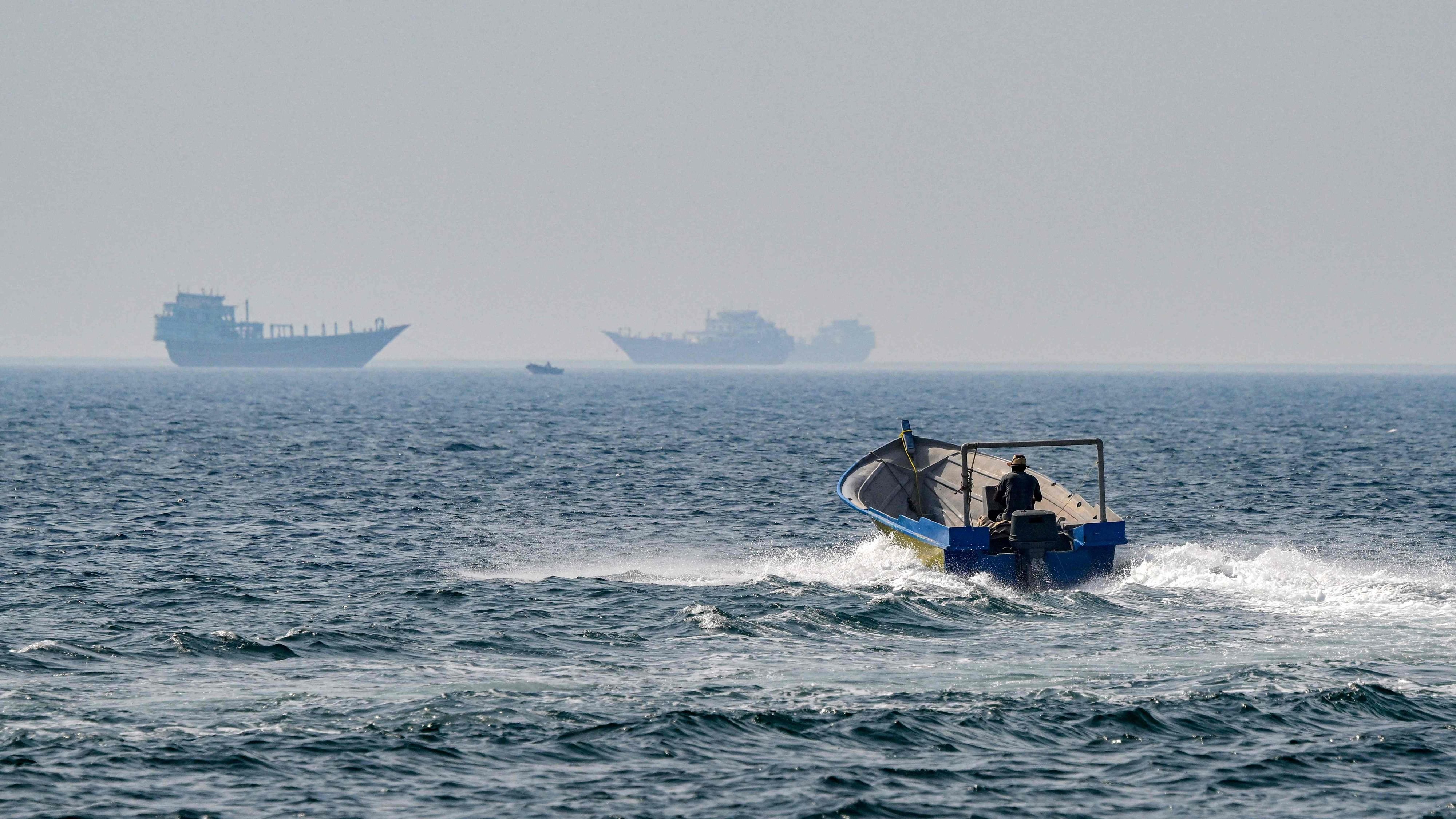
Tensions in the Persian Gulf have reached a critical flashpoint as the United States has implemented a naval blockade of Iranian ports and a partial blockade of the Strait of Hormuz. The operation, which began at 10 a.m. EDT on Monday, April 13, 2026, follows the collapse of peace negotiations in Islamabad over the weekend. The move signals a severe escalation in the ongoing conflict, placing one of the world’s most vital energy chokepoints under direct U.S. Military control.
The U.S. Military blockade on Iranian ports comes after a two-week ceasefire, announced last Tuesday, failed to hold. According to Israeli Prime Minister Benjamin Netanyahu, the ceasefire “could turn on a dime” due to what the U.S. Describes as Iran’s blatant violation of the agreement to enter negotiations. The primary point of contention, as reported by CBS News, was Iran’s refusal to abandon its nuclear ambitions during talks led by U.S. Vice President JD Vance.
The blockade targets not only Iranian ports but also restricts traffic through the Strait of Hormuz, a narrow waterway essential for the shipment of oil, fertilizer, and other critical global goods. While the U.S. Asserts the necessity of the move to force Iranian compliance, Tehran has condemned the action as illegal “piracy,” warning that no Gulf ports will be safe if traffic to and from Iranian shores remains impeded.
Prime Minister Netanyahu has explicitly voiced Israel’s support for President Donald Trump’s decision, stating that the two nations are in “constant coordination.” In a cabinet meeting held on Monday, Netanyahu dismissed claims of a rift between the U.S. And Israel, asserting that the two allies are aligned in their objective to ensure Iran removes all enriched nuclear material and ceases enrichment activities for years, or possibly decades.
The Collapse of the Islamabad Talks
The current crisis is the direct result of failed diplomatic efforts in Pakistan. Over the weekend, Vice President JD Vance headed a U.S. Delegation to Islamabad to negotiate a peace agreement. Yet, the talks reached an impasse over the “main sticking point”: Iran’s nuclear program. U.S. Officials emphasized that the agreement required Iran to stop firing and immediately open the Strait of Hormuz, actions that the U.S. Claims Tehran failed to execute.
According to Netanyahu, Vice President Vance briefed him on the failure of these talks, noting that the U.S. Could not tolerate Iran’s refusal to adhere to the terms of the negotiations. The U.S. Focus remains centered on the total removal of enriched material from within Iranian borders to prevent the development of nuclear capabilities.
Despite the imposition of the blockade, diplomatic channels have not completely closed. Officials told CBS News on Monday that engagement between the U.S. Delegation and Iranian leaders has continued, with some officials suggesting there is “forward motion” toward a potential agreement.
Global Energy Security and Iranian Retaliation
The blockade of the Strait of Hormuz has immediate implications for global markets. As a primary artery for oil and fertilizer, any disruption in this region typically leads to volatility in energy prices and supply chain instability. Iran has leveraged this reality in its official responses to the U.S. Military action.
General Reza Talaei-Nik, spokesperson for Iran’s Defense Ministry, warned that foreign military intervention in the Strait “would escalate the crisis and instability in global energy security.” Speaking to the state-owned Press TV, Talaei-Nik asserted that Iran is responsible for the security and management of the Strait and will not permit “interference or aggression” by the United States.
The Iranian government has framed the blockade as a violation of international law. By labeling the U.S. Actions as piracy, Tehran is signaling a readiness to retaliate against other ports in the Gulf if the blockade persists, creating a high-risk environment for commercial shipping throughout the region.
Israeli Strategic Alignment and Domestic Preparations
Israel’s alignment with the U.S. Strategy is total, with Netanyahu emphasizing that the blockade is a necessary response to Iranian provocation. The Prime Minister’s office released a video detailing the coordination between the U.S. And Israel, specifically regarding the goal of ending Iranian nuclear enrichment.
The volatility of the situation is also impacting domestic arrangements within Israel. Prime Minister Netanyahu noted that preparations for the official Independence Day ceremony, scheduled for next Tuesday night, are being adjusted. He suggested that the ceremony might need to be recorded rather than held with a live audience, depending on whether the security situation allows for such a gathering.
Key Developments at a Glance
| Event/Action | Details | Status |
|---|---|---|
| Naval Blockade | U.S. Blockade of Iranian ports and partial blockade of Strait of Hormuz | Active (Started 10 a.m. EDT) |
| Diplomatic Talks | Peace negotiations in Islamabad, Pakistan | Failed/Ongoing Engagement |
| Nuclear Demand | Removal of all enriched material from Iran | Unresolved |
| Israeli Position | Full support for U.S. Naval blockade | Coordinated |
| Iranian Response | Warning of energy instability and retaliation | Active Threat |
What Happens Next
The immediate future of the region depends on whether the “forward motion” mentioned by officials can translate into a concrete peace accord before the current ceasefire officially expires next week. Pakistan continues to push both the U.S. And Iran to resume formal negotiations to avoid a full-scale escalation.
The next critical checkpoint will be the expiration of the ceasefire next week, which will determine if the blockade is lifted or if the region enters a more prolonged phase of military conflict. The security assessment for Israel’s Independence Day ceremony next Tuesday will serve as a barometer for the perceived level of immediate threat in the region.
We will continue to monitor this developing story. Please share your thoughts in the comments below and subscribe for further updates on global security.