Iran Erupts in Protests Amidst Economic Crisis and Rising Repression
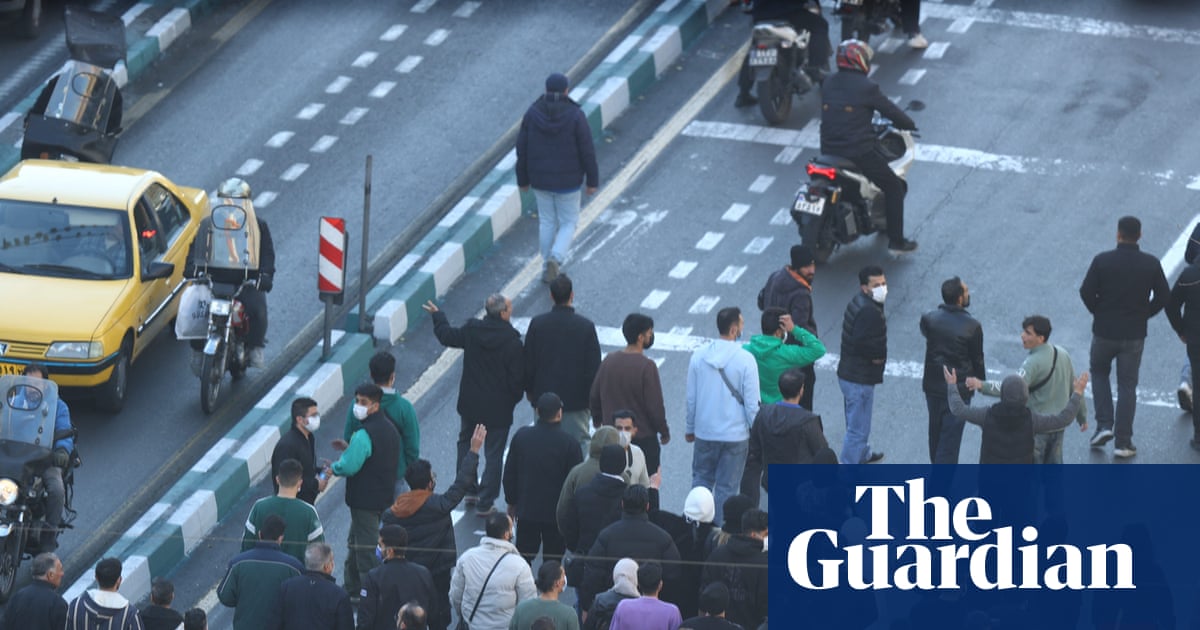
A wave of widespread protests is sweeping across Iran, fueled by a collapsing economy and escalating government repression. Demonstrations initially sparked in Tehran have rapidly expanded nationwide, signaling a potent challenge to the Islamic Republic’s authority. Thes protests represent a critical juncture for the nation, reflecting deep-seated frustration and a desperate call for change.
The Spark: Economic Desperation
The immediate trigger for the unrest is the dramatic decline in the value of the Iranian currency. This has led to a soaring cost of living, pushing an increasing number of Iranians below the poverty line. You’re witnessing a situation where basic necessities are becoming unaffordable for many families.
Here’s a breakdown of the key economic pressures:
* Currency Collapse: The plummeting value of the Iranian Rial is eroding purchasing power.
* Rising Inflation: Essential goods and services are becoming increasingly expensive.
* Lack of Opportunity: Many Iranians see no realistic path to improving their economic circumstances.
Demands for Change & Regime Criticism
Protesters are voicing increasingly bold demands,calling for an end to the current regime. Chants of “We want the mullahs gone” echo through the streets, demonstrating a growing rejection of the established political order. They are appealing for international support, urging “all the people of the world to be our voice.”
Escalating Violence & Human Rights concerns
Security forces have responded to the protests with force, and reports indicate the use of gunfire against demonstrators. Disturbing video footage circulating on social media depicts chaotic scenes of clashes, smoke-filled streets, and injured individuals being carried away. This heavy-handed response is further inflaming tensions and raising serious human rights concerns.
The situation is compounded by a disturbing trend of escalating state-sponsored violence. Iran witnessed a record number of executions in 2025, exceeding 1,500 – the highest figure since 1989.
These executions are often carried out following:
* Unfair Trials: Proceedings are frequently held behind closed doors, lacking openness.
* Torture & Coercion: Reports indicate widespread use of torture and forced confessions.
* political Suppression: The death penalty is being used to instill fear and crush dissent.
A Pattern of Repression
the current unrest isn’t isolated.It’s part of a recurring pattern in Iran, where popular discontent erupts into protests met with brutal crackdowns. The government prohibits autonomous, legal avenues for protest, leaving citizens with limited options for expressing their grievances.
As a result, frustration builds until it boils over into spontaneous demonstrations, wich are then met with force. This cycle perpetuates instability and fuels further resentment.
Looking Ahead
The protests represent a important challenge to the Islamic Republic. Whether the regime will respond with further repression or engage in meaningful dialog remains to be seen. However, one thing is clear: the iranian people are demanding a better future, and their voices will not be easily silenced. The international community is watching closely, and the coming days will be crucial in determining the fate of Iran and its citizens.