Iran Faces Renewed Unrest Amid Economic Crisis and Calls for Change
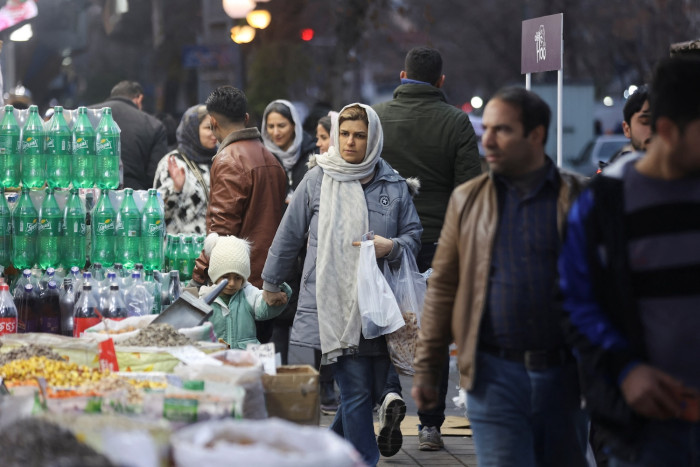
(Image: Majid Asgaripour/WANA via Reuters – High cost of living, on Jan 5, 2026)
Iran is grappling with escalating protests sparked by a collapsing currency and soaring inflation.These demonstrations, entering thier second week as of January 5th, have resulted in at least 25 reported deaths, according to rights groups. While currently smaller in scale than the widespread unrest following Mahsa Amini’s death in 2022-23, the current wave of protests signals deepening discontent within the country.
From Economic Grievances to Broader Demands
Initially focused on economic hardship, the protests have quickly broadened. Demonstrators are now voicing frustrations with the country’s clerical rulers, indicating a growing desire for systemic change. This shift highlights the precarious state of Iran’s economy and the public’s eroding patience.
Here’s a breakdown of the key factors driving the unrest:
* Plummeting currency: The Iranian Rial has continued its decline, falling to 1,489,500 on Tuesday – a 4% drop since the protests began.
* Soaring inflation: Rising prices for essential goods are severely impacting the purchasing power of ordinary Iranians.
* Economic Hardship: Widespread economic difficulties are fueling public anger and frustration.
* Calls for Reform: Protesters are demanding not just economic relief, but also broader governance reforms and justice.
Rising Death Toll and Government Response
Rights groups are reporting a concerning number of casualties and arrests.
* Hengaw, a Kurdish Iranian rights group, reports 25 deaths, including four minors. They also cite over 1,000 arrests.
* HRANA, a network of rights activists, reports at least 29 deaths (including two law enforcement agents) and 1,203 arrests as of January 5th.
Reuters has not independently verified these numbers. Iranian authorities acknowledge deaths within the security forces (at least two) and injuries (over a dozen), but have not released a complete death toll for protesters.
The government is responding with a firm hand. Police Chief Ahmadreza Radan stated authorities are “dealing with strength against rioters,” emphasizing arrests and intelligence-led identification. He also offered amnesty to those who “identify themselves” and renounce involvement.
International Scrutiny and Political Maneuvering
The situation is attracting international attention. Former US President Donald Trump has offered support to the protesters, threatening action if security forces use force against them.
In response,Iran’s Supreme Leader Ayatollah Ali Khamenei has vowed to resist external pressure,declaring he will not “yield to the enemy.” this rhetoric underscores the regime’s determination to maintain control.
Government Attempts at Mitigation
Facing mounting pressure, the Iranian government is attempting to address the economic crisis and quell the unrest.
* Subsidy Reform: A new subsidy reform will eliminate preferential currency exchange rates for importers,replacing them with direct transfers to iranians to bolster purchasing power. This measure takes effect January 10th.
* Central bank Leadership Change: The central bank chief was replaced on December 29th, signaling an attempt to address monetary policy concerns.
* Dialog and Reform Promises: President Masoud Pezeshkian has called for dialogue and pledged reforms to stabilize the monetary and banking systems.
Though, authorities together accuse “networks linked to foreign powers” of deliberately escalating economic protests into chaos. The judiciary chief has vowed “no mercy” toward “rioters.”
What This Means for You
If you are following global events, understanding the situation in Iran is crucial. The protests represent a significant challenge to the current regime and could have far-reaching consequences for regional stability and international relations. The economic pressures facing Iranians are severe, and the government’s response will be a key factor in determining the future trajectory of the country.
Looking Ahead: The coming days will be critical. The implementation of the subsidy reform and the government’s handling of further protests will be closely watched. The international community’s response, and whether further escalation occurs, will also shape the unfolding events.
Disclaimer: *This article provides details based on currently available reports. The situation is rapidly evolving