
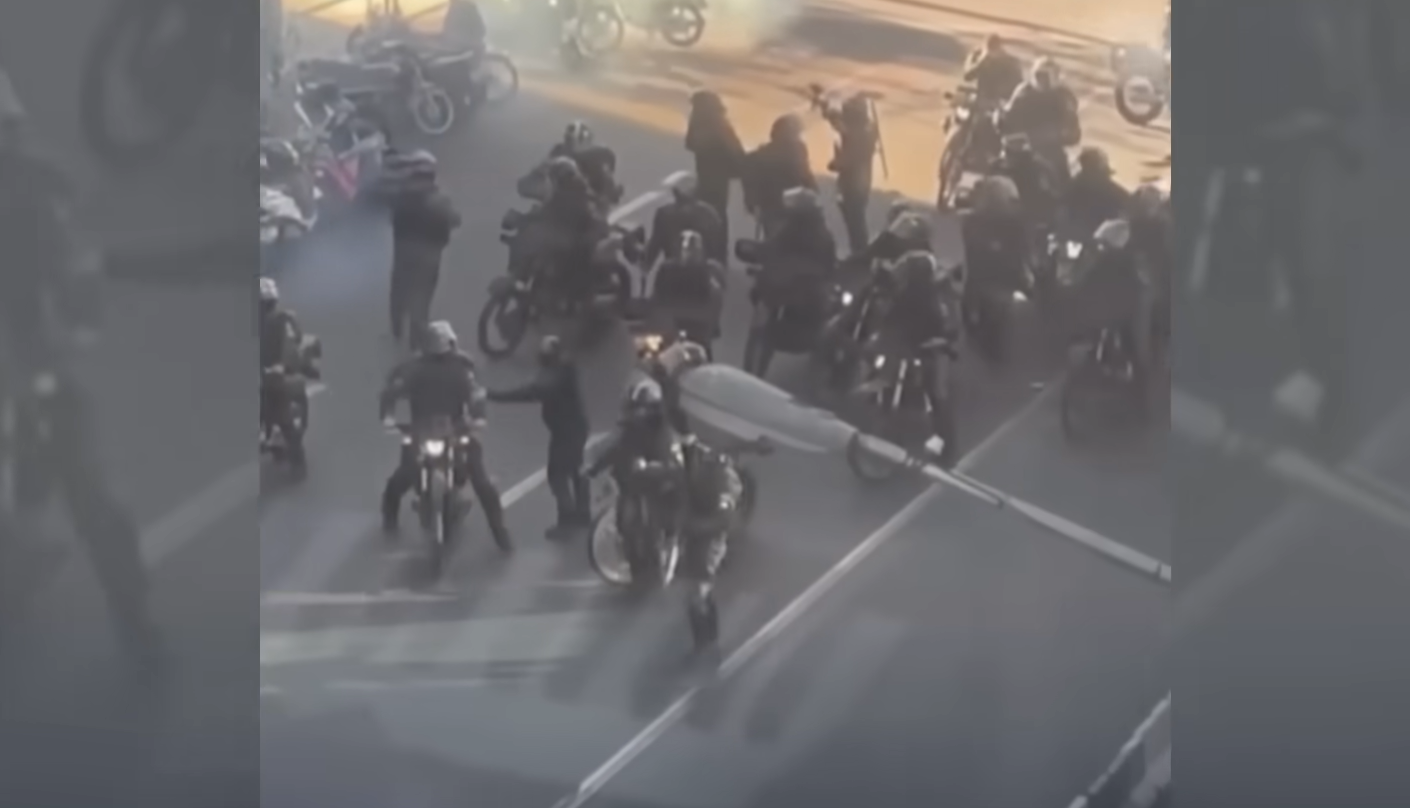
Recent unrest in Iran has escalated, with security forces deploying tear gas in Tehran’s bustling bazaar on Tuesday as demonstrations continue to swell. These protests, marking the most notable challenge to the Islamic Republic in three years, are fueled by growing economic hardship and a rapidly devaluing currency. Understanding the complexities of this situation is crucial, and we’ll break down the key factors driving the current crisis.
Understanding the Current Unrest in Iran
The immediate trigger for the latest wave of demonstrations is the deteriorating economic situation, especially the plummeting value of the Iranian rial. As of January 6, 2026, the rial has reached a record low against major foreign currencies, exacerbating the financial strain on Iranian citizens. This economic pressure, coupled with broader grievances, has ignited widespread discontent.
Reports indicate that at least 27 protesters have been killed by security forces over the past ten days, including five minors. This grim statistic, verified by the Norway-based NGO Iran Human Rights (IHR), underscores the severity of the government’s response. The initial protests began on December 28th with a strike by merchants in the Tehran bazaar, a vital economic center, and quickly spread to other regions, particularly in the west where Kurdish and Lor minority groups reside.
This current movement echoes the large-scale protests of 2022-2023, which were sparked by the death of Mahsa Amini while in custody for allegedly violating dress code regulations. However, the present situation is unfolding against a backdrop of a worsening economic crisis and following a recent 12-day conflict with Israel in June, presenting a multifaceted challenge to the leadership of 86-year-old Supreme leader Ayatollah Ali Khamenei.
Government Response and Arrests
iran’s state-run Fars news agency reported “sporadic gatherings” around the bazaar, with police intervening to disperse the demonstrators. Social media footage, independently verified, reveals protesters chanting slogans such as “Pahlavi will return” – a reference to the pre-1979 monarchy – and “seyyed Ali will be overthrown,” directly challenging the authority of the Supreme Leader. footage from IHR and the US-based Human Rights Activists News Agency (HRNA) shows crowds passionately calling for “freedom” and denouncing the current regime as “shameless.”
Security forces responded by firing tear gas, causing protesters to scatter. Official reports from the IRNA news agency confirm “some” arrests were made, though





