
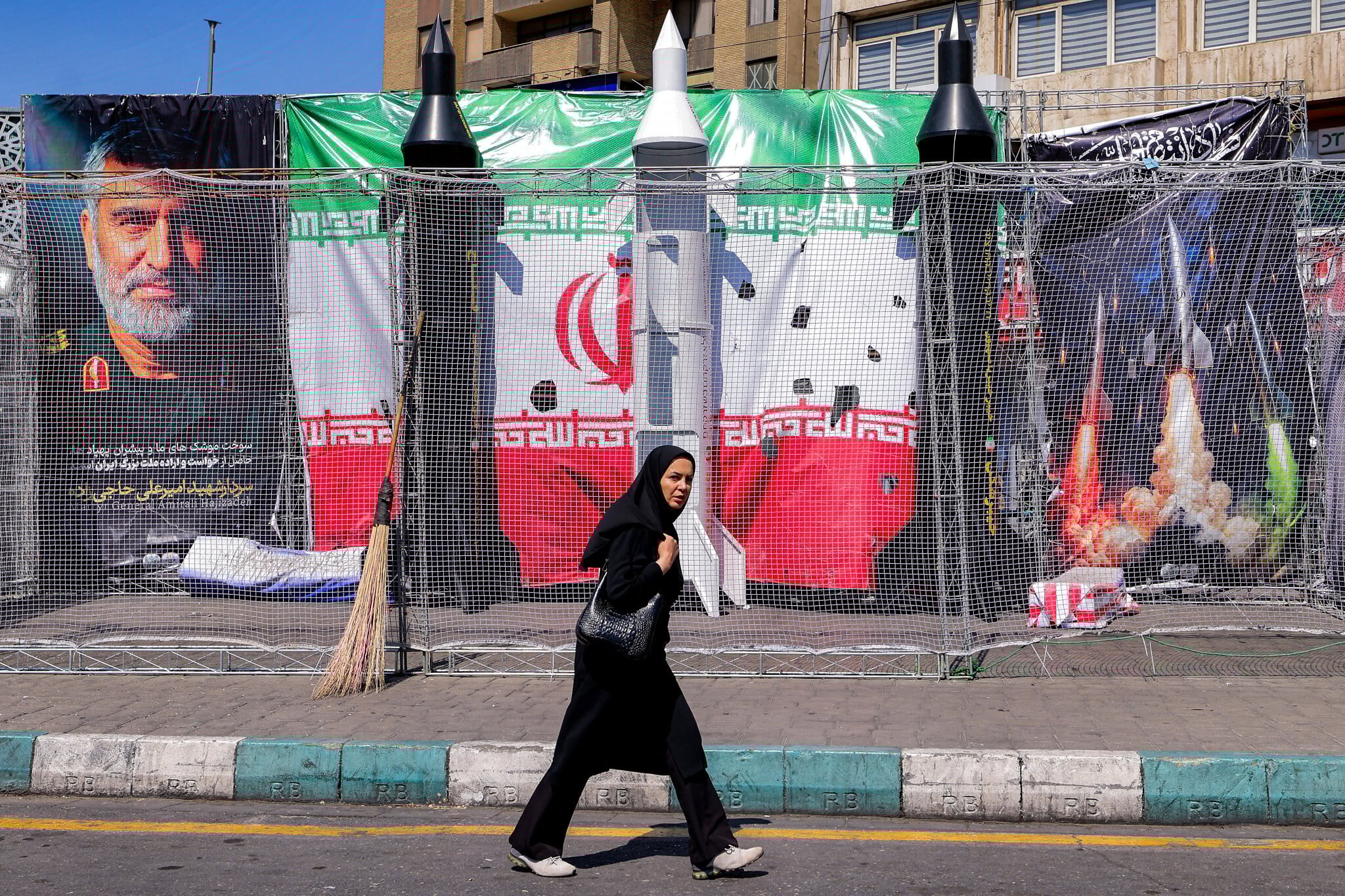
Diplomatic efforts to stabilize the Persian Gulf have hit a significant roadblock as Iran has reportedly declined to reopen the Strait of Hormuz as part of a temporary truce. The decision follows a proposal from Pakistan for a 45-day ceasefire, intended to halt the escalating conflict and restore the flow of critical energy supplies through one of the world’s most vital maritime chokepoints.
The draft proposal suggests an immediate ceasefire and the reopening of the waterway, which would then be followed by formal diplomatic talks. However, a White House official has characterized the plan as one of many ideas currently under consideration, noting that President Trump has not signed off on the proposal.
The current tension centers on the Strait of Hormuz, which has been effectively shut since February 28, 2026. This closure followed coordinated strikes by the United States and Israel on Iran, which resulted in the death of Supreme Leader Ali Khamenei and triggered a wider war. The conflict has already caused significant casualties, with reports of approximately 2,000 Iranians and more than 1,100 people in Lebanon killed.
Pakistan’s Diplomatic Role and the Energy Crisis
Pakistan has emerged as a key intermediary in the effort to mitigate the humanitarian and economic fallout of the conflict. Islamabad is currently grappling with one of the worst energy crises in its modern history, making the reopening of the Strait a matter of national security. The Pakistani government has been actively pursuing diplomatic channels to ensure that essential energy shipments can reach its ports.

Recent efforts have seen some limited success. On March 28, 2026, Pakistan’s Foreign Minister Ishaq Dar announced that Iran had agreed to allow 20 Pakistani-flagged vessels to transit the Strait of Hormuz under a specific arrangement. This deal was described by Dar as a “harbinger of peace” and a “constructive gesture” aimed at restoring stability to the region.
Under the terms of that specific agreement, two ships were scheduled to cross daily. By April 2, 2026, two ships had successfully passed through the Strait and arrived at Karachi Port according to reports from Al Jazeera. Local officials in Pakistan expressed optimism that the arrival of these shipments, along with 18 other secured vessels, could bring an end to the energy crisis.
The Strategic Importance of the Strait of Hormuz
The Strait of Hormuz is a critical waterway that connects the Persian Gulf with the Gulf of Oman and the Arabian Sea. Because This proves the primary exit route for oil and gas exports from the region, any prolonged closure sends shockwaves through global energy markets. The current closure has exacerbated global economic instability, as the world’s energy supply chains remain vulnerable to the ongoing hostilities between Iran, the U.S., and Israel.
The proposal for a 45-day ceasefire is seen by some as a way to create a “cooling-off” period. By reopening the waterway, the international community could stabilize oil prices and provide a humanitarian window for negotiations. However, the refusal by Iran to link the reopening of the Strait to a temporary truce indicates that Tehran may be using the waterway as strategic leverage in the broader conflict.
Timeline of Key Events in the 2026 Conflict
| Date | Event |
|---|---|
| February 28, 2026 | US and Israel launch coordinated strikes on Iran; Supreme Leader Ali Khamenei killed; Strait of Hormuz effectively shut. |
| March 28, 2026 | Iran agrees to allow 20 Pakistani-flagged vessels to transit the Strait. |
| April 2, 2026 | First ships under the Pakistan-Iran deal arrive at Karachi Port. |
| April 6, 2026 | Reports emerge that Iran rejects reopening the Strait as part of a proposed 45-day ceasefire. |
Global Implications and Next Steps
The rejection of the ceasefire proposal leaves the region in a precarious state. Although Pakistan has managed to secure limited passage for its own vessels, the broader global shipping industry remains paralyzed by the closure. The conflict has expanded beyond the immediate borders of Iran, with missile attacks involving Yemen’s Houthis and strikes on Kuwaiti infrastructure, including drone strikes on a Kuwaiti airport.
For the United States, the situation remains a complex balancing act. The White House has acknowledged the various ideas for a truce, but the lack of a presidential sign-off suggests that the U.S. May be seeking terms that include more stringent security guarantees or specific political concessions from Tehran before agreeing to a ceasefire.
The international community now looks toward whether further bilateral agreements, similar to the one brokered by Pakistan, can serve as a blueprint for a wider resolution, or if the conflict will continue to escalate, further destabilizing global energy security.
The next official checkpoint will be the White House’s response to the draft proposal and any further diplomatic communications between Islamabad and Tehran regarding the status of the remaining secured vessels.
We invite our readers to share their perspectives on the geopolitical implications of this conflict in the comments below.