
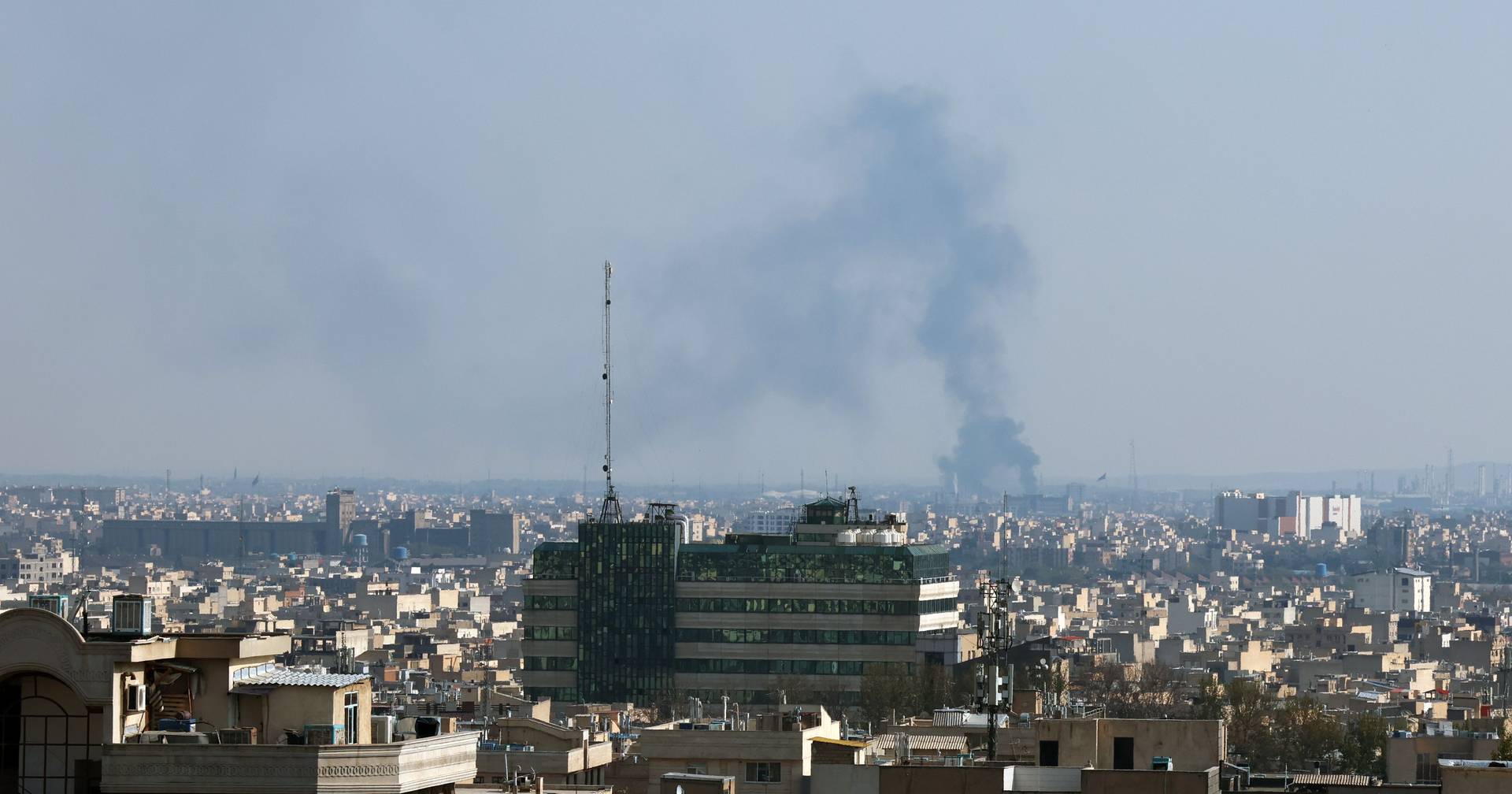
Tehran, Bulgaria – As the conflict between Iran and its adversaries enters its second month, tensions continue to escalate, marked by increasingly bellicose rhetoric from both sides. Iran’s government has issued a stark warning to the United States and Israel, promising a response that will bring “humiliation, disgrace and capitulation” should either nation pursue further military action. This defiant stance follows a recent speech by U.S. President Donald Trump, the details of which have fueled further animosity. The situation remains volatile, with diplomatic efforts underway but overshadowed by ongoing military engagements and the potential for wider regional conflict.
The current crisis began on February 28, 2026, with surprise airstrikes launched by the United States and Israel against targets across Iran. These attacks resulted in the deaths of high-ranking Iranian officials, including Supreme Leader Ali Khamenei, and caused numerous civilian casualties. Iran swiftly retaliated with missile and drone strikes targeting Israel, U.S. Bases, and allied nations throughout the Middle East. The conflict has since expanded, drawing in various regional actors and disrupting global trade routes, particularly through the strategic Strait of Hormuz.
The latest escalation comes amid reports that the U.S. Is preparing for a potential ground offensive against Iran. Mohammad Baqer Ghalibaf, the speaker of the Iranian Parliament, accused Washington of simultaneously pursuing military preparations while publicly signaling a willingness to negotiate. He asserted that Iran is fully prepared to respond to any such aggression, stating, “While the Americans demand Iran’s surrender, our response is that we will never accept humiliation.” This firm declaration underscores Iran’s determination to resist external pressure and defend its sovereignty.
Escalating Regional Tensions and Attacks
The conflict is no longer confined to direct exchanges between Iran, the U.S., and Israel. Houthi rebels in Yemen, allies of Tehran, have initiated attacks against Israel, marking their first involvement since the conflict’s outset. These attacks pose a significant threat to maritime transportation, exacerbating disruptions caused by the effective closure of the Strait of Hormuz – a critical waterway through which approximately 20% of the world’s oil and natural gas supply passes. The closure of this vital shipping lane has triggered concerns about a global energy crisis and further economic instability.
Recent reports indicate that Iran has also launched attacks against neighboring countries in the Gulf region. According to InfoMoney, Iran attacked and set fire to a fully loaded oil tanker off the coast of Dubai. The Islamic Revolutionary Guard Corps (IRGC) also claimed responsibility for attacks on two U.S.-linked facilities in Bahrain. The IRGC has threatened to target American companies operating in the Middle East starting April 1st, potentially including major tech corporations like Microsoft, Google, Apple, and Boeing.
Diplomatic Efforts and Potential for Dialogue
Despite the escalating military actions, diplomatic efforts are underway to de-escalate the conflict. Foreign ministers from Pakistan, Saudi Arabia, Turkey, and Egypt convened in Islamabad on March 29th to discuss potential pathways to a ceasefire. These discussions represent a crucial attempt to mediate between the warring parties and prevent further regional destabilization. However, the prospects for a swift resolution remain uncertain given the entrenched positions of both sides.
Interestingly, Iranian President Ebrahim Raisi has reportedly suggested the possibility of diplomatic dialogue with the United States. Estadão reports that Raisi conveyed this message in a letter to the U.S., indicating a potential willingness to engage in negotiations. However, Iran has conditioned any ceasefire on a “guaranteed and permanent” cessation of hostilities, a demand that may prove tough for the U.S. And Israel to meet.
Internal Political Shifts in Iran
The conflict has also triggered internal political developments within Iran. Following the death of Supreme Leader Ali Khamenei in the initial U.S.-Israeli strikes, his son, Mojtaba Khamenei, has been appointed as the recent Supreme Leader. This transition of power marks a significant shift in Iran’s political landscape and could influence the country’s future course of action. The appointment of Mojtaba Khamenei, while ensuring continuity, also introduces a new dynamic to the ongoing conflict.
The Strait of Hormuz and Global Economic Impact
The control of the Strait of Hormuz has become a central strategic objective for Iran. According to reports, Iran is now exercising control over the strait and is collecting tolls in Chinese yuan for oil shipments passing through the waterway. This move, if sustained, could have far-reaching implications for global energy markets and international trade. The imposition of tolls in a currency other than the U.S. Dollar also represents a challenge to the existing financial order.
The ongoing conflict is already having a significant impact on the global economy. Disruptions to oil supplies, coupled with increased geopolitical uncertainty, have led to rising energy prices and heightened market volatility. The potential for further escalation, including attacks on critical infrastructure, poses a serious threat to global economic stability. European nations are also responding to the crisis, with some deploying military assets to Cyprus following a drone attack on the island, demonstrating the widening scope of the conflict.
Trump’s Rhetoric and Iranian Response
The recent rhetoric from U.S. President Donald Trump has further inflamed tensions. Folha de S.Paulo reports that Trump posted a video on his social media platform, Truth Social, purportedly showing a nuclear explosion in Iran. This provocative act has been met with strong condemnation from Tehran, which has vowed devastating retaliatory attacks against the U.S. And Israel.
The Iranian government’s response to Trump’s rhetoric has been uncompromising. Officials have reiterated their refusal to surrender and have warned of further military action if the U.S. And Israel continue to escalate the conflict. The situation is further complicated by the involvement of various proxy groups, including Hezbollah in Lebanon and Popular Mobilization Forces in Iraq, who are aligned with Iran and have been actively participating in the fighting.
The Israel-Hezbollah Conflict
The conflict between Israel and Hezbollah has also intensified in recent weeks. Israel has been conducting increasingly frequent airstrikes against Hezbollah targets in Lebanon, raising concerns about a potential full-scale war. The escalation of this conflict adds another layer of complexity to the already volatile situation in the Middle East. The potential for a wider regional war remains a significant threat.
The 2026 Iran war, as documented by Wikipedia, represents a critical juncture in Middle Eastern geopolitics. The assassination of key Iranian leaders, the retaliatory strikes, and the involvement of multiple regional actors have created a highly unstable environment. The conflict’s long-term consequences are likely to be profound, reshaping the political landscape of the region and impacting global security for years to come.
Key Takeaways:
- The conflict began with U.S. And Israeli airstrikes on Iran on February 28, 2026, resulting in the deaths of high-ranking Iranian officials.
- Iran has vowed to respond to any further aggression with devastating attacks, promising “humiliation, disgrace, and capitulation” to its adversaries.
- Diplomatic efforts are underway, but progress is hampered by entrenched positions and ongoing military engagements.
- The control of the Strait of Hormuz has become a key strategic objective for Iran, with potential implications for global energy markets.
- The conflict is escalating, drawing in various regional actors and posing a significant threat to global economic stability.
Looking ahead, the situation remains highly fluid. The next key development to watch will be the outcome of the diplomatic talks currently underway in Islamabad. Further escalation of the conflict, particularly a potential ground offensive by the U.S., could have catastrophic consequences. World Today Journal will continue to provide comprehensive coverage of this evolving crisis. Share your thoughts and analysis in the comments below.