
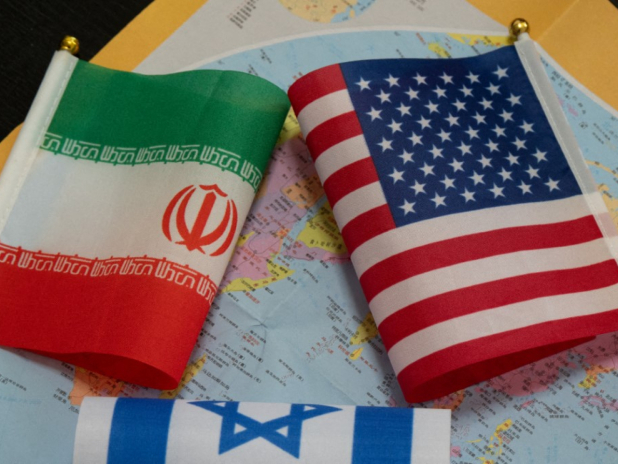
Diplomatic efforts to stabilize the Middle East have hit a precarious crossroads as plans for an Iranian delegation to arrive in Pakistan for high-stakes negotiations with the United States appear to be unraveling. The talks, originally scheduled to begin on the morning of April 11 in Islamabad, are now under severe threat following a surge of military escalation in the region.
The uncertainty surfaced on Thursday, April 9, when Iran’s ambassador to Pakistan, Moghadam, deleted a social media post on X that had previously announced the arrival of an Iranian delegation that evening. The delegation had been invited by Pakistani Prime Minister Shehbaz Sharif to engage in “serious dialogue” regarding 10 ceasefire terms proposed by Tehran via UDN.
This diplomatic volatility comes amid a backdrop of intense violence. On April 8, Israel launched large-scale airstrikes on Lebanon, resulting in at least 254 deaths and 1,165 injuries, according to reports from the Lebanese civil defense via UDN. The humanitarian crisis led Lebanese Prime Minister Salam to declare April 9 a national day of mourning.
The timing of these strikes has directly impacted the viability of the U.S.-Iran talks. Mousavi, the deputy director of the Iranian presidency, warned on April 9 that continued Israeli attacks on Lebanon pose a “serious threat” to any potential ceasefire agreement between Iran and the U.S. He stated that Iran would respond if the United States and Israel fail to uphold their commitments via UDN.
The Fragile Path to Islamabad: Objectives and Obstacles
The proposed meeting in Islamabad was intended to be a pivotal “face-to-face” peace negotiation between the Trump administration’s team and Iranian officials. Reports indicate that Egypt, Pakistan, and Turkey have been acting as intermediaries, facilitating the exchange of messages between the U.S. Negotiating representatives and the Iranian Speaker via Threads.
Central to the Iranian agenda were 10 specific ceasefire terms. Ambassador Moghadam had previously noted that despite repeated violations of ceasefire agreements by Israel, Iran remained willing to travel to Pakistan to discuss these terms via Yahoo Finance. However, the sudden deletion of the arrival announcement suggests that the “critical and sensitive” stage of mediation may have stalled.
The geopolitical stakes are further complicated by the strategic importance of the Strait of Hormuz. Recent reports highlight a volatile cycle of threats where Iran has considered suspending transit through the strait in response to alleged U.S. Violations of key ceasefire terms. Conversely, Donald Trump has reportedly suggested that if Iran were to “completely, immediately, and safely” reopen the Strait of Hormuz, the U.S. Would suspend attacks for a two-week period via UDN.
Regional Impact and Stakeholder Reactions
The ripple effects of the potential collapse of the Islamabad talks are being felt across the Middle East. In Lebanon, the immediate focus is on the aftermath of the April 8 strikes, which caused massive casualties and prompted the government to halt normal activities for a day of mourning. The scale of the tragedy—at least 254 dead—serves as a grim reminder of how regional conflicts can derail diplomatic breakthroughs via UDN.
For Pakistan, serving as the host city in Islamabad, the situation represents a delicate balancing act. Prime Minister Shehbaz Sharif’s invitation to the Iranian delegation was a clear attempt to position Pakistan as a neutral ground for conflict resolution. The failure of the delegation to arrive as planned reflects the difficulty of maintaining a diplomatic channel when military actions on the ground contradict the goals of the negotiating table.
Iran’s position remains paradoxical: while Mousavi asserts that the Islamic Republic is committed to regional peace and stability, he simultaneously warns that Tehran will not remain silent in the face of “aggressive acts” by Israel via UDN. This tension between the desire for a diplomatic “historic victory” and the necessity of a strategic response defines the current Iranian approach.
Key Takeaways from the Diplomatic Crisis
- Talks in Jeopardy: The first round of U.S.-Iran negotiations in Islamabad, originally set for April 11, are likely postponed or canceled following the deletion of arrival notices by Iran’s ambassador.
- Military Trigger: Large-scale Israeli airstrikes in Lebanon on April 8, resulting in at least 254 deaths, have severely strained the trust required for a ceasefire agreement.
- Strategic Leverage: The Strait of Hormuz remains a primary bargaining chip, with the U.S. Offering a temporary cessation of attacks in exchange for guaranteed safe passage.
- Mediation Efforts: Pakistan, Turkey, and Egypt continue to attempt to bridge the gap between the Trump administration and the Iranian leadership.
As the international community watches the fallout of the Lebanese strikes and the silence from Islamabad, the next critical checkpoint will be whether the Iranian delegation eventually arrives or if the U.S. And Iran move toward a more formal suspension of diplomatic engagement. Official updates regarding the status of the 10-point ceasefire proposal are expected as regional mediators continue their efforts.
We invite our readers to share their perspectives on the viability of these negotiations in the comments below.