
Iran Signals Conditional Openness to Talks with U.S., Amidst Lingering Tensions
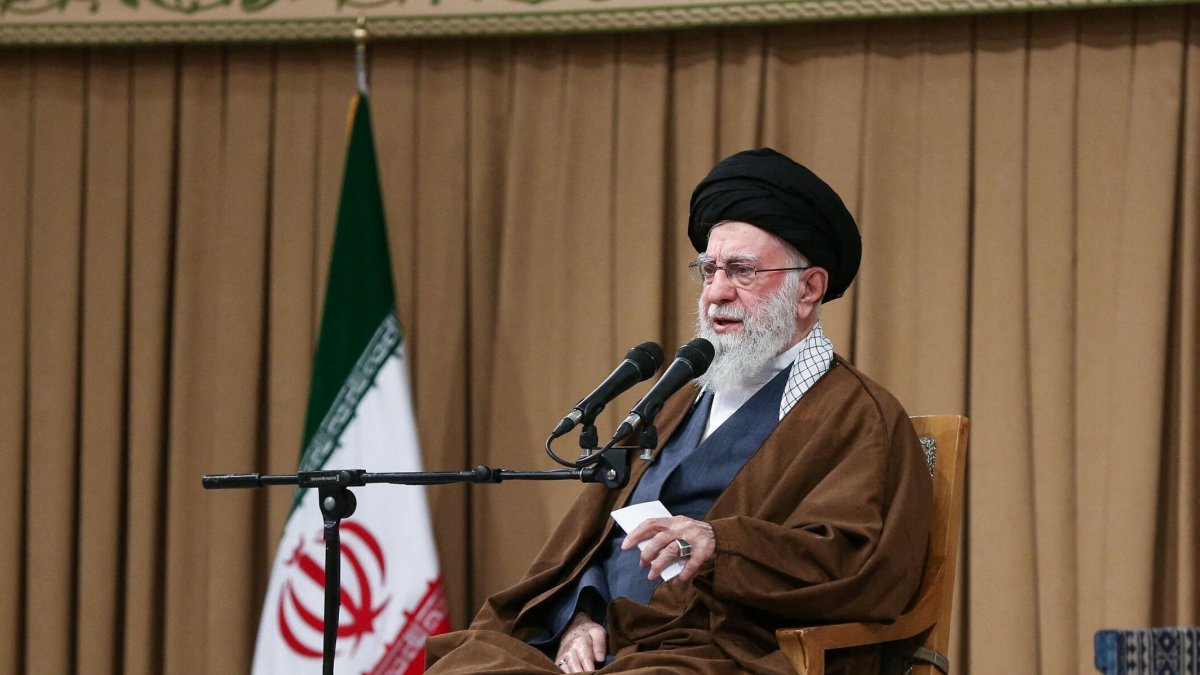
Supreme Leader Ayatollah Ali Khamenei recently indicated a potential path for renewed negotiations with the United States, but only under specific adn demanding conditions. Thes conditions, as reported by state media, center around a significant shift in U.S. policy toward the Middle East and Israel.
He articulated these terms during a speech commemorating the 1979 takeover of the U.S. Embassy in tehran – a pivotal event stemming from the Iranian Islamic Revolution. This anniversary serves as a potent symbol of Iran’s resistance to Western influence.
Khamenei stated that cooperation could be considered if the U.S. fully ceases its support for Israel, withdraws its military presence from the region, and stops interfering in regional affairs. He further characterized the U.S. as possessing an “arrogant nature” that demands submission rather than genuine partnership.
This statement arrives at a sensitive juncture. Washington continues to apply pressure on Tehran following the recent conflict with Israel in June. This 12-day war included limited U.S. participation in strikes targeting Iranian nuclear facilities, effectively halting nuclear talks that had begun earlier in April. A ceasefire has held since June 24th, but the path forward remains unclear.
The Stalled Nuclear Negotiations
The previous round of negotiations faced substantial obstacles, primarily concerning Iran’s uranium enrichment levels. Western powers pushed for a complete halt to enrichment on Iranian soil,aiming to minimize the risk of nuclear weapon progress. Though, Tehran firmly rejected this proposal.
You’ll recall that Iran has been grappling with escalating international sanctions since the U.S. unilaterally withdrew from the 2015 nuclear deal in 2018. These sanctions were further reinforced in September when the United Nations reinstated them, triggered by Britain, France, and Germany.
Despite these tensions,Iranian Foreign Minister Abbas Araghchi signaled a willingness to re-engage in discussions. However, he emphasized that talks would be limited to nuclear issues exclusively.Discussions regarding Iran’s ballistic missile program are currently off the table.
Araghchi conveyed that Tehran is prepared to negotiate “on an equal footing and based on mutual interests,” but doesn’t feel pressured to rush into talks. He also noted that the U.S. doesn’t appear to be in a hurry either.
here’s a quick recap of the key points:
* Conditional Engagement: Iran is open to talks, but only if the U.S. alters its regional policies.
* Nuclear Focus: Any negotiations will be strictly limited to the nuclear program.
* Sanctions Relief: Iran seeks relief from international sanctions imposed since 2018.
* Mutual Interests: Both sides emphasize the need for negotiations based on reciprocity.
Ultimately, the future of U.S.-Iran relations hinges on weather both sides can bridge the significant gap in their perspectives and demonstrate a genuine commitment to finding a mutually acceptable solution. For you, staying informed about these developments is crucial to understanding the evolving geopolitical landscape of the Middle East.





