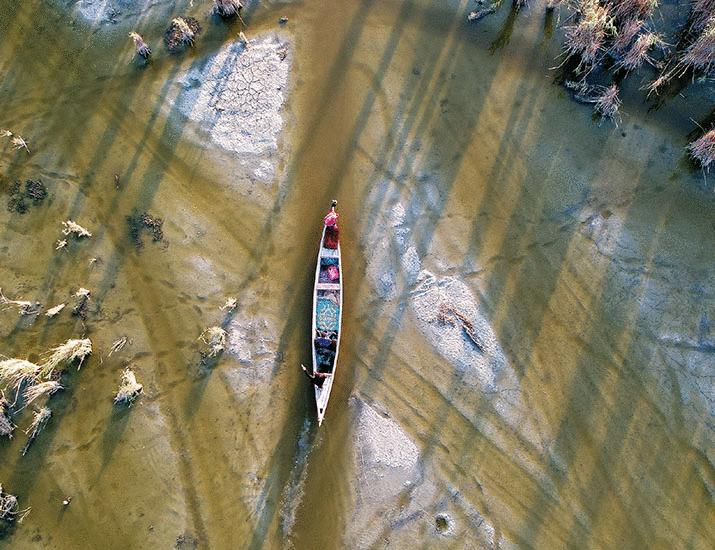
Safeguarding Iraq‘s Mesopotamian Marshes: A Critical Imperative for Biodiversity and Climate Resilience
The delicate ecosystems of Iraq’s Mesopotamian marshes, a UNESCO World Heritage site, are facing an unprecedented crisis. as of November 6, 2025, these vital wetlands – historically spanning over 9,000 square kilometers – are shrinking at an alarming rate, threatening not only unique biodiversity but also the livelihoods of communities intrinsically linked to their health.This article delves into the complex challenges confronting these marshes, explores the underlying causes, and proposes pathways toward effective conservation, establishing a definitive resource for understanding and addressing this critical environmental issue. The future of these marshes, a cradle of civilization, hinges on immediate and sustained action.
The Mesopotamian Marshes: A Historical and Ecological Overview
For millennia,the Mesopotamian marshes – formed by the confluence of the Tigris and Euphrates rivers – have served as a crucial ecological corridor and a cultural heartland.These wetlands, once the largest in the Middle East, provided a haven for a remarkable array of flora and fauna, including the critically endangered Basra reed warbler and numerous migratory bird species. Historically, the marshes supported the Marsh Arabs, known as the Ma’dan, who developed a unique way of life adapted to the fluctuating water levels and abundant resources.
However, the 20th and 21st centuries have witnessed a dramatic decline. Saddam Hussein’s regime systematically drained the marshes in the 1990s as a punitive measure against the Ma’dan, who were perceived as harboring opposition. This deliberate destruction resulted in one of the most critically importent environmental disasters of the 20th century, reducing the marsh area to less then 10% of its original size. While restoration efforts began after 2003, new challenges, primarily stemming from climate change and upstream dam construction, are now jeopardizing the gains made.
| Marsh Area (Historical) | Marsh Area (Post-Drainage – 2003) | Marsh Area (Current – Nov 2025) |
|---|---|---|
| ~9,000 sq km | <10% of historical | Estimated 30-40% of historical (continuing decline) |
Current Threats: A Multifaceted Crisis
The current predicament of the Mesopotamian marshes is driven by a confluence of factors. A recent report by the Iraqi Ministry of Water Resources (October 2025) highlights that reduced river flows, exacerbated by dam construction in Turkey and Iran, are the primary driver of the decline. These upstream projects significantly limit the amount of water reaching the Iraqi marshes, leading to increased salinity and desiccation.
Furthermore, climate change is intensifying the situation. Iraq is experiencing rising temperatures and decreased rainfall, contributing to increased evaporation rates and prolonged droughts. According to data from the World Bank (September 2025), Iraq’s average temperature has increased by 0.7°C in the last four decades, and projections indicate a further increase of 1-2°C by 2050. This warming trend is accelerating water loss from the marshes.
“The diminishing water flow from upstream sources, coupled with the impacts of climate change, poses an existential threat to the mesopotamian marshes and the communities that depend on them.”
Agricultural practices also contribute to the problem. Increased irrigation demands downstream divert water away from the marshes, further reducing their extent. Additionally, the use of fertilizers and pesticides contaminates the water, harming aquatic life and impacting water quality.
The Human Cost: impacts on the Ma’dan and Local Communities
The degradation of the Mesopotamian marshes has profound consequences for the Ma’dan and other communities reliant on the wetlands. The loss of water resources disrupts conventional livelihoods, such as fishing, reed