
Iran’s Diminishing Influence: A Shifting Power Dynamic in the Middle East
The recent conflicts in the Middle East have dramatically reshaped Iran’s regional network, forcing a reassessment of it’s power and influence. While the loss of key proxies across the region is undeniable, Iran continues to leverage remaining assets, particularly within Iraq.Understanding this shift is crucial for grasping the evolving geopolitical landscape.
The Erosion of the “Axis of Resistance“
For years, Iran cultivated a network of allied militias – often referred to as the “Axis of Resistance” - stretching from Palestine to Lebanon and Yemen. This network, skillfully coordinated through figures like Soleimani, served as an extension of Iranian foreign policy. However, the war in Gaza has presented Israel with an prospect to considerably degrade these capabilities.
Specifically, Israel has inflicted ample damage on:
* Hamas: The Palestinian group responsible for the October 7th attacks has suffered heavy losses.
* Hezbollah: The Lebanese militant group has also experienced meaningful setbacks.
* Houthi Rebels: The Yemeni group has faced increased pressure and disruption.
* Iranian Revolutionary Guard Corps (IRGC): Even within Syria and Iran itself,IRGC assets have been targeted,including a daring strike on Iranian nuclear facilities.
These actions represent a clear attempt to dismantle the infrastructure supporting Iran’s regional ambitions.
Iraq: The Last Stand?
Interestingly,Iranian-backed militias in Iraq have largely remained on the sidelines of this direct confrontation. This isn’t necessarily a reflection of strength, but rather a complex interplay of factors.
Tehran, recognizing the potential for devastating retaliation, encouraged restraint.Together, the Iraqi government, navigating a delicate balance between Iran and the United States, exerted pressure to avoid further escalation.Crucially, the Iraqi populace, weary of constant conflict, is increasingly resistant to becoming a proxy battleground.
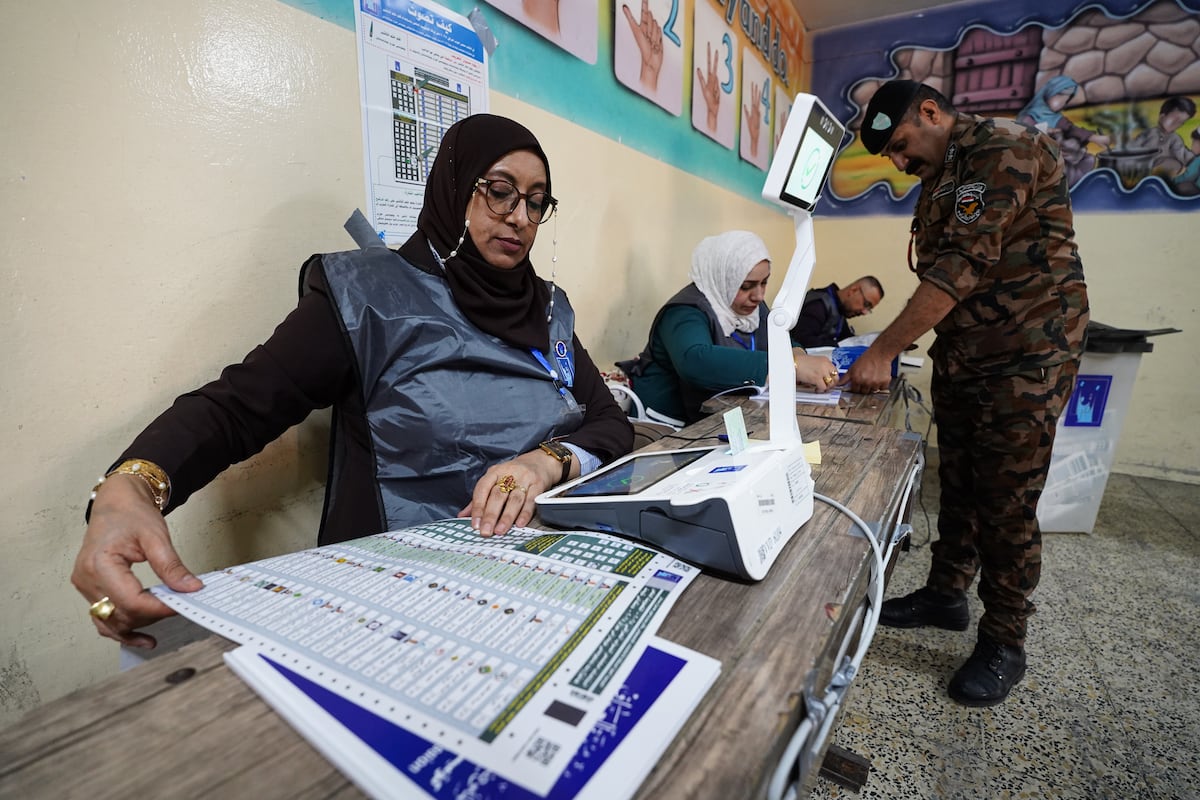
You’ll find this sentiment is reflected in the upcoming elections. Several Shia factions, previously aligned with Iran, are now competing against each other. This internal division highlights a weakening of Tehran’s control and presents a critical test of its remaining influence.
What the Iraqi Elections Reveal
The results of the Iraqi elections will be telling.They will demonstrate the extent to which iran can still dictate terms within a country it considers vital to its sphere of influence. Even if Iranian-backed groups lose ground, don’t expect a complete withdrawal.
iran will likely continue to intervene in Iraq, albeit at a higher cost and with greater difficulty. Maintaining a foothold in Iraq is essential for preserving its supply routes to allies in Syria and Lebanon.
Looking Ahead: A More Challenging Path for Iran
The situation presents a significant challenge for Iran. While it’s unlikely to abandon its regional ambitions, the landscape has fundamentally changed.You can anticipate a more cautious and nuanced approach, focused on preserving existing influence rather than aggressive expansion.
Here’s what you should keep in mind:
* Increased Costs: Maintaining influence will require greater financial and political investment.
* Logistical Hurdles: Disruptions in Iraq will complicate the flow of resources to other proxies.
* Internal divisions: The fragmentation of Iraqi Shia factions signals a broader weakening of Iran’s regional network.
Ultimately, the coming months will reveal whether Iran can adapt to this new reality and effectively navigate a more unfriendly and fragmented Middle East. The era of unchecked influence appears to be over, and a period of recalibration is undoubtedly underway.





