
The Rise of Directed-energy Weapons: A New Era in Defense
The landscape of modern warfare is undergoing a significant change, driven by the increasing prevalence of inexpensive, yet effective, aerial threats. Laser weapons,once relegated to the realm of science fiction,are rapidly becoming a reality,offering a compelling solution to counter these evolving challenges.
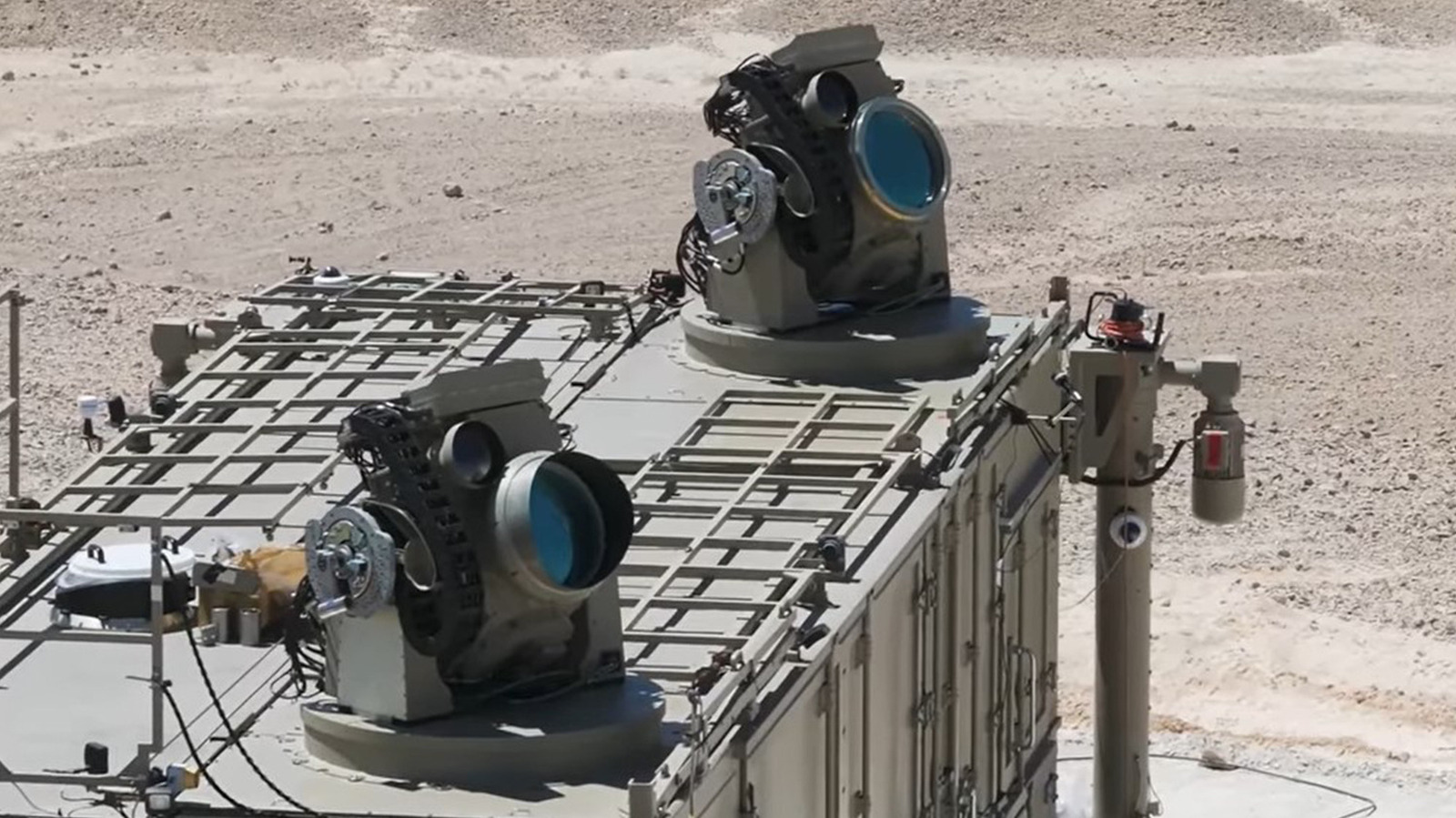
Israel has emerged as a frontrunner in this technological race with its Iron Beam defense system. While Rafael Advanced Defense Systems is the primary contractor, the core laser technology originates from Elbit Systems, an Israeli defense manufacturer boasting four decades of expertise in directed-energy applications. This collaboration highlights the complex interplay of innovation and established capabilities driving the development of these systems.
Iron Beam is specifically engineered to intercept short-range, low-altitude targets, including the growing threat of small drones, mortars, and short-range rockets. I’ve found that the increasing affordability and accessibility of these threats necessitate a shift in defensive strategies. Consider the potential for swarms of miniature drones - some as small as insects - to overwhelm traditional air defense systems, as highlighted by emerging drone technologies.
With a range of approximately six miles (10 kilometers), Iron Beam’s operational effectiveness is susceptible to environmental conditions. Adverse weather, dust, and smoke can considerably diminish its performance, limiting its usability in certain scenarios. This is a critical consideration for deployment and strategic planning.
However, the limitations haven’t stalled progress.The development of laser technology is accelerating globally,with several nations investing heavily in directed-energy weapons programs.
Global Development of laser Weapon Systems
the United Kingdom is actively pursuing laser technology with the DragonFire program.A government contract valued at $428 million has been allocated to its development, and a prototype has already demonstrated success in downing drones traveling at speeds exceeding those of Formula One race cars.This achievement underscores the potential of laser weapons to engage high-velocity targets.
Australia is also making significant strides with its Apollo system, developed by Electro Optic Systems.This system is capable of neutralizing an impressive 20 drones per minute, at a remarkably low cost of around $1 per engagement.The Apollo system has already been sold to the Netherlands, demonstrating international confidence in its capabilities. Here’s what works best: focusing on cost-effectiveness is key to widespread adoption.
The United States is equally committed to developing laser weapon systems. Two prototypes of a 20-kilowatt mobile system were delivered last year. The LOCUST counter-drone laser is designed for integration onto Infantry Squad Vehicles, providing localized protection against drone threats on the battlefield. This illustrates a trend toward distributed, mobile laser defense capabilities.
A common thread uniting these diverse programs is the changing nature of aerial warfare. Small drones are inexpensive, easily deployed, and frequently enough utilized in large numbers. Traditional defense systems, while capable of intercepting these threats, can be prohibitively expensive.For example, Israel previously spent a substantial portion of its U.S.-allocated missile defense budget on replacing Tamir interceptors, each costing around $50,000.

Chipmunks: Carriers of Tick-Borne Anaplasmosis Disease
John Harbaugh Fired: Ravens End Era with Super Bowl-Winning Coach After 18 Seasons


Related Posts

Fiery Start to 2026: New Horror & Adventure Games Coming to Xbox ...
January 8, 2026
I Will Make You My Wife: Romantic Spanish Song & Viral Trend Expl ...
January 8, 2026


