
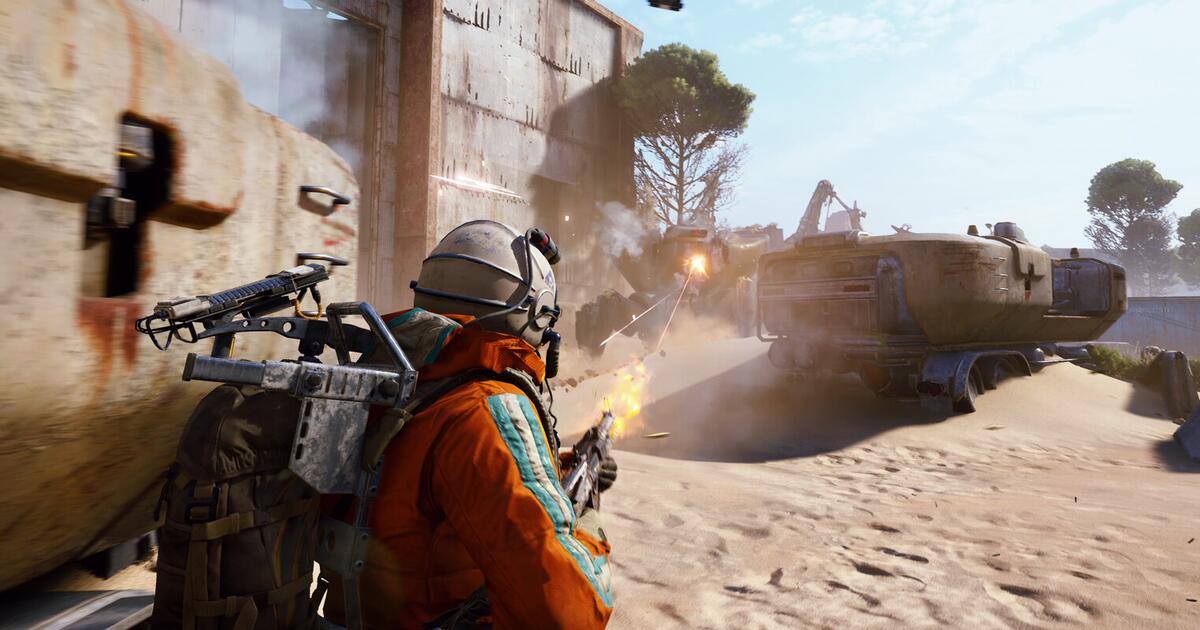
The fragile ecosystem of modern multiplayer gaming has encountered a new and unexpected predator: the insatiable demand for artificial intelligence computing power. In a move that has sent shockwaves through the real-time strategy (RTS) community, the multiplayer functionality of Stormgate is being pulled offline, not due to a lack of players or commercial failure, but given that the infrastructure supporting it was acquired by an AI firm that no longer sees a employ for game servers.
Developer Frost Giant Studios, composed of former StarCraft 2 veterans, announced in late March via Discord that their server orchestration partner, Hathora, had been purchased by Fireworks AI. The new owners are winding down the service to repurpose critical computing resources for AI development, leaving Stormgate and other titles in a precarious position. This AI company server acquisition highlights a growing tension in the tech industry, where the race for AI supremacy is beginning to cannibalize the infrastructure of other digital entertainment sectors.
The shutdown is scheduled to take effect at the end of April, with Hathora stating that support for games like Stormgate will officially end on May 5 according to reports from PC Gamer. While the developers are working to ensure the game remains playable in an offline capacity, the loss of online multiplayer represents a significant blow to a project that aimed to modernize the RTS genre.
The Fireworks AI Pivot: Computing Power Over Gameplay
Fireworks AI, the company behind the acquisition, was founded by former members of Meta’s AI division. The firm currently serves approximately 10,000 customers, providing sophisticated tools such as conversational bots, agentic systems, and AI-led code assistance as detailed by Polygon. As the demand for generative AI proliferates, the need for high-performance computing power has reached a fever pitch, leading companies to prioritize AI workloads over traditional server hosting.
Hathora’s role as a server orchestration partner was vital for Stormgate‘s multiplayer stability. But, the shift in corporate priority has left multiple titles in the lurch. Beyond Stormgate, other games such as Splitgate 2 also rely on Hathora’s infrastructure; currently, those services are frozen. Hathora has indicated that these server platforms will be pulled permanently after a 90-day window per Polygon.
A Blow to Frost Giant Studios and the RTS Genre
For Frost Giant Studios, the timing is particularly challenging. Stormgate was designed to lower the barrier to entry for the RTS genre, blending the high-intensity gameplay of StarCraft with modern accessibility. The project garnered significant financial backing, including a Kickstarter campaign that raised between $2.3 million and nearly $2.8 million according to PC Gamer, alongside $35 million in private funding and an additional $1.2 million investment opportunity.
Despite the funding and the pedigree of its developers, the game received mixed reviews on Steam. Some players praised the team’s responsiveness to feedback, while others felt the experience leaned too heavily on the StarCraft formula. Regardless of its critical reception, the loss of multiplayer infrastructure is an external shock that the studio did not invite. Frost Giant Studios has stated they will patch the game to allow for offline play, though they remain uncertain if full online functionality can be restored in the future.
The Broader Implications for Gaming Infrastructure
The Stormgate situation serves as a cautionary tale for the gaming industry’s reliance on third-party “orchestration” and cloud infrastructure. When a specialized provider is acquired by a larger entity with different priorities—specifically in the high-growth AI sector—the end-user product can be collateral damage. This is not a case of a game failing due to low player counts, but rather a case of the underlying hardware being more valuable to an AI company than to a game studio.
The competition for GPUs and server capacity is no longer just about who can build the fastest chip, but who can secure the existing infrastructure to run massive AI models. As Fireworks AI pivots Hathora’s resources toward AI-led code assistance and conversational bots, the “frozen” state of other games using the service suggests that more titles could face similar fates if they cannot migrate their backend quickly enough.
Key Takeaways: The AI-Gaming Infrastructure Conflict
- The Cause: Fireworks AI acquired Hathora, a server orchestration partner, to repurpose computing resources for AI workloads.
- The Impact: Stormgate will lose online multiplayer support; Splitgate 2 services are currently frozen.
- The Timeline: Services wind down at the end of April, with a final cutoff date of May 5.
- The Solution: Frost Giant Studios is implementing an offline play patch to preserve the game’s accessibility.
- The Trend: High demand for AI computing power is creating a resource conflict with traditional gaming infrastructure.
While Hathora announced a partnership with GameFabric to provide a migration path for affected clients, Stormgate apparently will not be making that move according to PC Gamer. This leaves the community waiting to witness if the developers can find a sustainable long-term alternative or if the game will remain a solo experience.
The next critical checkpoint for Stormgate players is May 5, when Hathora’s support for the title officially concludes. Whether Frost Giant Studios can secure a new hosting partner or if the AI boom will continue to displace gaming services remains to be seen.
Do you think the AI boom is putting gaming infrastructure at risk? Share your thoughts in the comments below or share this article with your fellow gamers.