

The geopolitical landscape of the Middle East has shifted toward a dangerous new precipice as Turkish President Recep Tayyip Erdogan has explicitly threatened to invade Israel. This escalation marks one of the most severe diplomatic ruptures between the two nations, characterized by a vitriolic exchange of accusations that transcends traditional diplomatic discourse.
The crisis reached a boiling point on April 12, 2026, when the Turkish government issued a strongly worded statement describing Israeli Prime Minister Benjamin Netanyahu as the “Hitler of our time,” citing the crimes he has committed according to reports from Hindustan Times. This rhetoric comes amid a fragile regional environment where a two-week ceasefire was already under immense strain.
As an editor who has spent over 14 years analyzing the intersection of human rights and geopolitics, I have seen many diplomatic spats, but the current Turkey-Israel diplomatic crisis is distinct in its volatility. The threats are not merely rhetorical; President Erdogan has warned Israel of severe consequences and has openly threatened military action as reported by Firstpost.
The Verbal Warfare: ‘Blinded by Blood’
The escalation has been defined by personal attacks between the two leaders. President Erdogan accused Benjamin Netanyahu of being “blinded by blood and hatred,” a sentiment that underscores the deep-seated animosity driving current Turkish foreign policy via News18. Ankara’s foreign ministry further asserted that Netanyahu’s primary objective is to pursue expansionist policies in the region and undermine efforts toward peace.
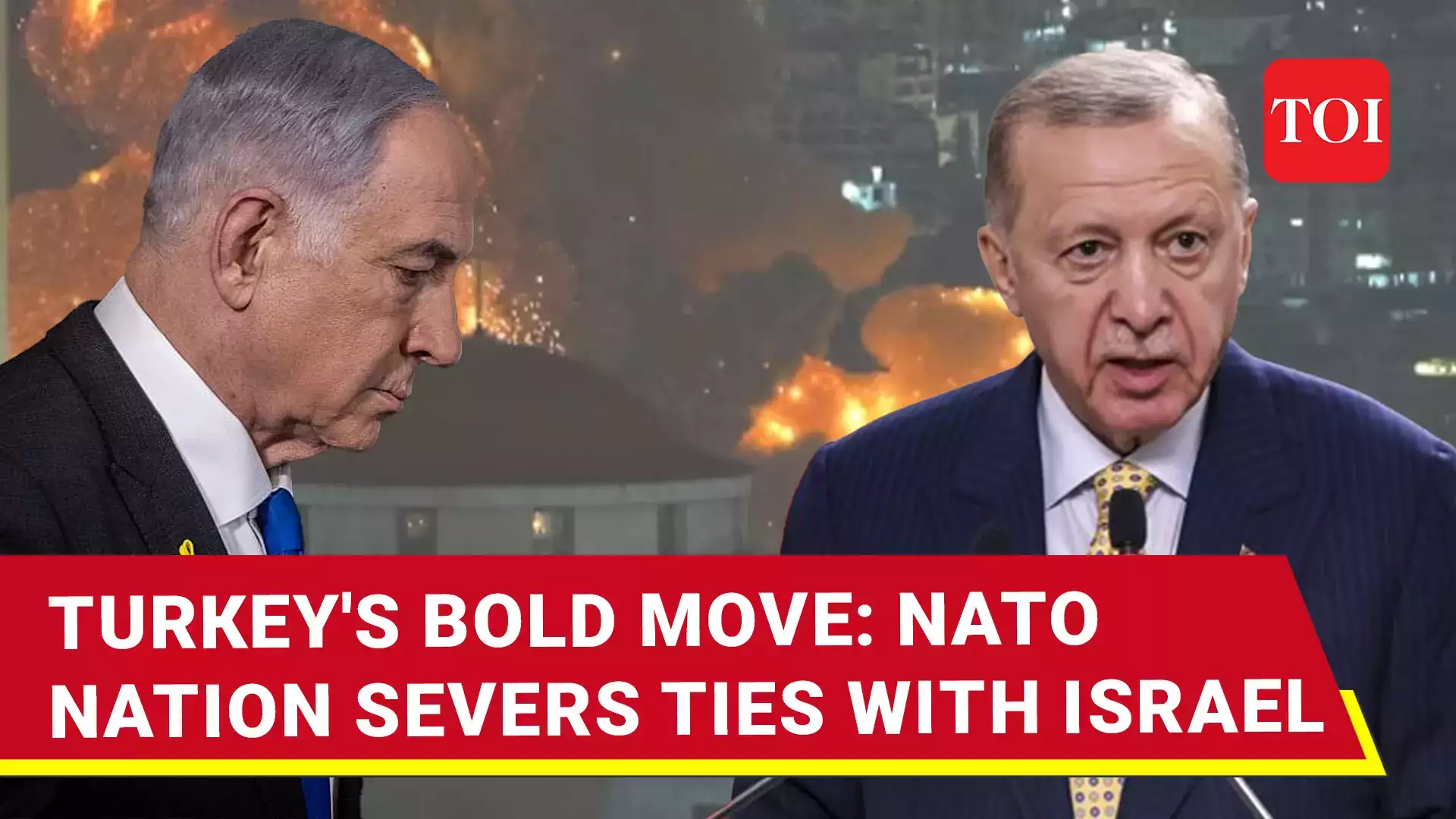
Prime Minister Netanyahu has not remained silent. In a post on X, Netanyahu accused Erdogan of accommodating “Iran’s terror regime and its proxies,” while further alleging that the Turkish President “massacred his own Kurdish citizens” according to Hindustan Times. This counter-accusation highlights the internal and external pressures both leaders face, turning a regional conflict into a battle of personal legitimacy.
The Collapse of Iran-US Peace Talks
Beyond the personal insults, the timing of this escalation is critical. The Turkish government has accused Netanyahu of deliberately attempting to “undermine” peace negotiations between Iran and the United States. These high-stakes talks, which were seen as a potential path toward regional stabilization, ultimately collapsed after 21 hours of negotiations in Pakistan per Hindustan Times.

The failure of these talks has left a vacuum of leadership and a fragile ceasefire that many fear is now unsustainable. Turkey’s insistence that Israel is the primary catalyst for this collapse suggests that Ankara views Netanyahu’s leadership as a direct obstacle to any negotiated settlement in the Middle East.
International Legal Pressures and the ICC
A significant component of Turkey’s current posture is the emphasis on the legal challenges facing the Israeli administration. The Turkish foreign ministry has pointed to ongoing proceedings at international courts and specifically highlighted an arrest warrant issued against Benjamin Netanyahu by the International Criminal Court (ICC) at The Hague as documented by Hindustan Times.
Ankara suggests that Netanyahu’s aggressive regional policies are a strategy to avoid being tried in his own country, where he could potentially be sentenced to imprisonment. By framing the conflict in legal terms, Turkey is attempting to align its military threats with a broader international narrative of accountability and human rights violations.
Key Summary of the Escalation
| Point of Contention | Turkish Position | Israeli Position |
|---|---|---|
| Diplomatic Tone | Netanyahu is the “Hitler of our time” | Erdogan accommodates terror regimes |
| Regional Peace | Israel undermined Iran-US talks | Erdogan supports proxies |
| Legal Status | Cites ICC arrest warrant | Accuses Turkey of internal massacres |
| Military Stance | Threatens to invade Israel | Continues fight against Iran’s regime |
The current situation remains volatile. The next critical checkpoint will be the response of the international community to the collapse of the Pakistan talks and any further movement regarding the ICC arrest warrant. As the region holds its breath, the possibility of military action remains a stark reality on the table.
We invite our readers to share their perspectives on this developing crisis in the comments below. Please share this report to keep others informed on the shifting dynamics of global security.