
## The Gaza Humanitarian Fund: A Critical Examination of israel’s aid Control Mechanisms
The situation in Gaza remains a dire humanitarian crisis, and recent scrutiny has fallen on Israel’s approach to aid delivery. A recent episode of the palcast podcast, titled ”Israel’s Deadly Humanitarian Aid Plan,” meticulously dissects the complexities and potential dangers surrounding the Gaza Humanitarian Fund (GHF). This analysis isn’t simply about aid; it’s about control, surveillance, and the potential weaponization of humanitarian aid. Understanding the nuances of this situation is crucial, especially as international pressure mounts and the need for genuine assistance becomes ever more urgent. This article will delve into the allegations,evidence,and broader implications of Israel’s GHF,offering a comprehensive overview of this controversial initiative.
Did You Know? The UN estimates that over 2 million people in Gaza – roughly 85% of the population – are in need of humanitarian assistance as of november 2023.
### The Allegations: Aid as a Tool for Control
The PalCast episode,featuring hosts Yousef and Helena alongside producer Tony,presents a compelling case that the GHF isn’t a benevolent effort,but rather a calculated strategy to exert greater control over the Palestinian population in gaza. The core argument centers on the idea that Israel is attempting to bypass established humanitarian organizations – those with deep roots and trusted relationships within Gaza – and replace them with a system directly managed or heavily influenced by Israeli authorities. This shift raises serious concerns about impartiality, accountability, and the potential for aid to be used for purposes beyond genuine humanitarian relief.
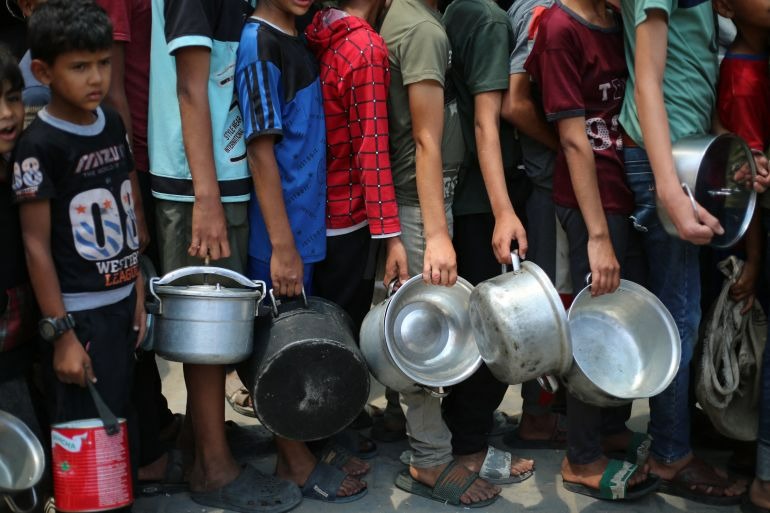
The podcast highlights the establishment of “humanitarian centers” in Rafah, a city already overwhelmed with displaced Palestinians. These centers, ostensibly designed to distribute aid, have sparked fear and distrust among the population. Reports suggest that individuals seeking assistance have been detained at these locations, fueling anxieties that aid is being used as a pretext for intelligence gathering and surveillance. This tactic echoes historical examples of colonial control, specifically drawing parallels to the british pipeline model employed in Kenya, where aid distribution was strategically used to monitor and control the local population.
Pro Tip: When evaluating humanitarian efforts in conflict zones, always consider the motivations of the actors involved and the potential for unintended consequences.
Furthermore, the episode points to Israel’s decision to block approximately 3,000 UN aid trucks at the Egyptian border while simultaneously promoting its own, limited aid distribution plan. This deliberate obstruction raises questions about the intent behind the GHF. Was it genuinely intended to supplement existing aid efforts,or was it designed to undermine the UN’s role and consolidate Israeli control over the flow of assistance? The resignation of the GHF’s Israeli-American head,who publicly stated he was misled by Israeli officials,adds further weight to these concerns. This individual’s testimony suggests a lack of transparency and a deliberate attempt to manipulate the narrative surrounding the fund.
what are your thoughts on the role of international organizations in delivering aid during conflict? Share your viewpoint in the comments below!
### Western Complicity and Shifting Rhetoric
The PalCast episode doesn’t shy away from criticizing the role of Western governments. While some nations have expressed concern over the situation in Gaza, the hosts argue that these expressions of concern have been largely symbolic, lacking concrete action. The continued flow of arms sales and financial support to Israel, despite mounting evidence of human rights violations, is presented as a form of complicity. This inaction raises ethical questions about the responsibility of international actors to uphold humanitarian principles and hold accountable those who may be obstructing aid or violating international law.
However,the episode also acknowledges a potential shift in rhetoric,citing Spain’s recent characterization of the situation in Gaza as a genocide. While acknowledging the importance of this statement, the hosts emphasize that words alone are insufficient. Meaningful change requires concrete action, such as imposing sanctions, cutting off arms supplies, and actively advocating for a just and lasting resolution to the conflict.This highlights the importance of translating political statements into tangible policies that prioritize the protection of civilians and the delivery of emergency relief.
Secondary Keywords: Gaza crisis, humanitarian intervention, aid organizations, conflict zones, international aid.
LSI Keywords: displacement, civilian protection, human rights, political instability, ceasefire.
Recent data from the UN Office


