
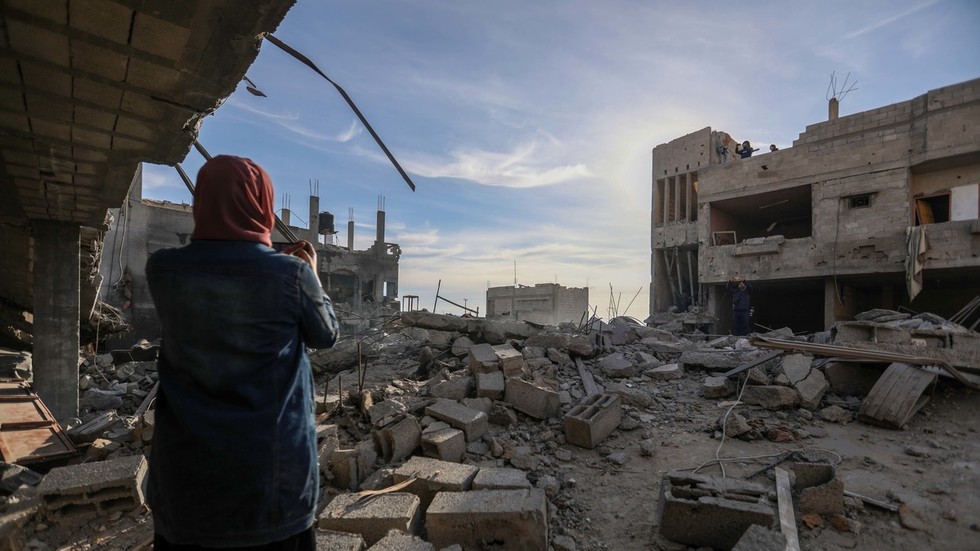
The Rafah Strikes: Examining the Ceasefire Violations and Escalating Tensions in Gaza
The recent large-scale strikes carried out by the Israel Defense Forces (IDF) in Rafah, Southern Gaza, have reignited concerns about the fragile ceasefire agreement reached earlier this month. This escalation follows allegations of violations by Hamas militants, prompting a swift and forceful response from Israel. Understanding the context, the specific claims of breaches, and the potential ramifications is crucial for navigating this complex situation. This article will delve into the events, analyze the perspectives involved, and explore the implications for the future of the conflict.
Understanding the Context: The November 2023 Ceasefire
The ceasefire, brokered with the assistance of Qatar, Egypt, and the United States, aimed to halt the intense fighting between Israel and Hamas that began following the October 7th attacks. The agreement facilitated the release of hostages held by Hamas in exchange for Palestinian prisoners held by Israel, and allowed for increased humanitarian aid to enter Gaza.However, the agreement was always considered temporary, with ongoing negotiations for a more permanent resolution proving difficult. The underlying tensions, rooted in decades of conflict, remained palpable.
Alleged Ceasefire Violations: What Triggered the Strikes?
the IDF claims that Hamas militants initiated attacks on Sunday, firing an anti-tank missile and gunfire towards Israeli troops operating in Rafah. These troops were reportedly engaged in dismantling what the IDF described as “terrorist infrastructure” – specifically, tunnel shafts and military structures - in accordance with the terms of the ceasefire. Further claims indicate attacks occurred on Friday and Saturday prior to Sunday’s incidents.
The IDF statement explicitly labeled these actions as “a blatant violation of the ceasefire agreement,” justifying the subsequent airstrikes as a necessary response to eliminate the perceived threat.However, independent verification of these claims remains challenging. Hamas has not yet issued a comprehensive statement directly addressing the IDF’s accusations, though reports suggest thay claim the attacks were in response to ongoing israeli military activity.
Analyzing the Perspectives: Israel, Hamas, and the International Community
the situation is, unsurprisingly, viewed through vastly different lenses.
* israel’s Perspective: Israel views the alleged attacks as a direct threat to its security and a breach of trust, justifying its right to defend itself. The dismantling of “terrorist infrastructure” is presented as a legitimate action under the ceasefire terms, aimed at preventing future attacks.
* Hamas’s Perspective: While a full statement is pending, Hamas likely frames its actions as resistance to the ongoing Israeli occupation and a response to perceived violations of the ceasefire by Israel itself. They may argue that the IDF’s activities in Rafah constitute a provocation.
* International community: The international community is largely calling for restraint from both sides and urging a return to negotiations. Concerns are mounting over the potential for a further escalation of violence and the humanitarian consequences for the civilian population in Gaza. The United Nations has repeatedly emphasized the need to uphold the ceasefire agreement and protect civilians. UN News provides ongoing coverage.
Here’s a swift comparison of key aspects:
| Aspect | Israel’s Stance | Hamas’s Likely Stance |
|---|---|---|
| Ceasefire Violations | Hamas initiated attacks, breaching the agreement. | Israel is violating the ceasefire through ongoing military activity. |
| IDF Operations in Rafah | legitimate action to dismantle terrorist infrastructure. | Provocative and aggressive actions. |
|
Previous Article  Louvre Museum Heist: Priceless Jewels Stolen – NPRAriel Meyerowitz Photography: Finding Beauty in Everyday Life | Phone Photography Tips  Related Posts
Azerbaijan Opposition: Growing Repression & Political Crackdown 2 ...December 23, 2025
Gaza Child’s Story: BBC World Service Global News PodcastDecember 23, 2025
Superquiz: Test Your Knowledge – October 19th ChallengeDecember 23, 20251  2  3  4  5  |