
A Fragile Hope Emerges: Navigating the Uncertain Future of Gaza and the West Bank
The recent cessation of major hostilities in Gaza offers a sliver of respite, a moment too cautiously assess the landscape and contemplate what comes next. While the devastation is immense, and the path forward fraught with challenges, a surprising confluence of factors suggests a potential, albeit fragile, opening for a new chapter in the Israeli-Palestinian conflict. This isn’t naive optimism, but a reasoned observation based on recent developments and a deeper understanding of the historical context.
Palestinians, understandably, are grappling with immense grief and uncertainty. Even amidst the quiet, concerns linger – notably the fear of a permanent division between Gaza and the West Bank. These anxieties are valid, and acknowledging them is crucial. Though,dismissing the possibility of positive change as a “daydream” would be a disservice to the potential for a diffrent future.
A Shift in the Political Winds?
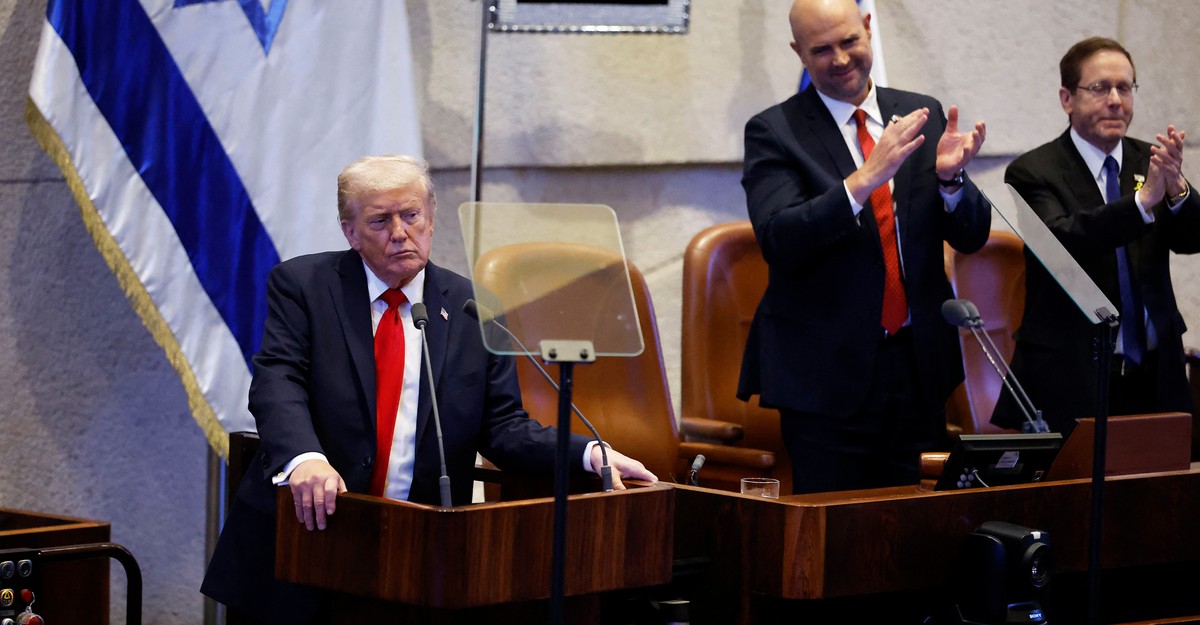
One of the most unexpected developments is the stance taken by former President Trump. He has publicly stated he “will not allow Israel to annex the West Bank.” This commitment, delivered just last month, represents a significant departure from previous rhetoric and actions.
Initially, this pledge was met with skepticism, especially considering the appointment of Mike Huckabee as ambassador to Jerusalem. Huckabee, a staunch supporter of Israel, had previously expressed views favoring Israeli claims to the West Bank, referring to it by the expansionist term “Judea and Samaria.”
Though, something appears to have shifted. Since arriving in Jerusalem, Huckabee has demonstrated a more nuanced approach. His condemnation of the arson attack on a Palestinian church in Taybeh as “an act of terror” signaled a willingness to acknowledge Palestinian suffering and hold perpetrators accountable. This is particularly noteworthy given the surge in settler violence following the October 7th attacks. The current olive harvest, historically a flashpoint for conflict, is proceeding with relative calm – a small but significant indicator of potential de-escalation.
Radical Hope in the Face of Devastation
The images emerging from Gaza are heartbreaking. But amidst the rubble,a philosophical framework offers a path forward: radical hope. This concept, explored by the late Jonathan Lear in his book Radical Hope, examines how communities rebuild after experiencing profound loss.
Lear studied the Crow people, who faced near-total cultural disruption after being confined to reservations. Their chief, Plenty Coups, famously declared, “after this, nothing happened.” This wasn’t resignation, but a recognition that the old way of life was irrevocably gone, creating space for something new to emerge.
* Radical hope isn’t about predicting the future. It’s about acknowledging the end of one era without knowing what will follow.
* It requires accepting loss. The people of Gaza have suffered unimaginable devastation - approximately 3% of the population has tragically lost their lives. (For context, a third of the Crow population perished from smallpox in a few short years.)
* It’s about creating the conditions for rebirth. This means acknowledging the past, addressing the present suffering, and actively working towards a future that honors the dignity and rights of all.
What Does This Mean for You?
The situation remains incredibly complex. But the convergence of these factors – a potential shift in US policy, a more nuanced approach from the US ambassador, and the philosophical framework of radical hope – suggests a moment of possibility.
This isn’t a guarantee of peace, or even significant progress. But it is an prospect to:
* Stay informed. Follow credible news sources and analysis.
* Engage in constructive dialog. Seek to understand different perspectives.
* Support organizations working for peace and justice. Your contributions can make a difference.
* Recognize the humanity of all involved. Empathy is essential for building a more peaceful future.
The birth of a new era in the Israeli-palestinian conflict will be a tough and protracted process. But with a willingness to embrace radical hope,and a commitment to justice and equality,a more peaceful future is within reach. The “strange orange midwife” – a nod to the unpredictable nature of political change – is attending, and the world is watching.
Further Reading:
* [The existential heroism of the Israeli hostages](https://www.theatlantic.com/ideas/archive/2025




