The Potential Trump-Brokered Israel-Hamas Peace Deal: A Turning Point in the Middle East?
The possibility of a historic peace agreement between Israel and Hamas, potentially ending the war in Gaza, has ignited global discussion.Central to this development is the reported role of former U.S. President Donald Trump, with claims he was instrumental in bringing the parties to the table. But how credible are these assertions? What are the underlying factors driving this potential shift? And, crucially, how likely is this peace agreement to hold, given the region’s complex history? This article delves into the nuances of this evolving situation, offering balanced perspectives and examining the key players involved.
Understanding the Context: Shifting Dynamics in US-Israel Relations
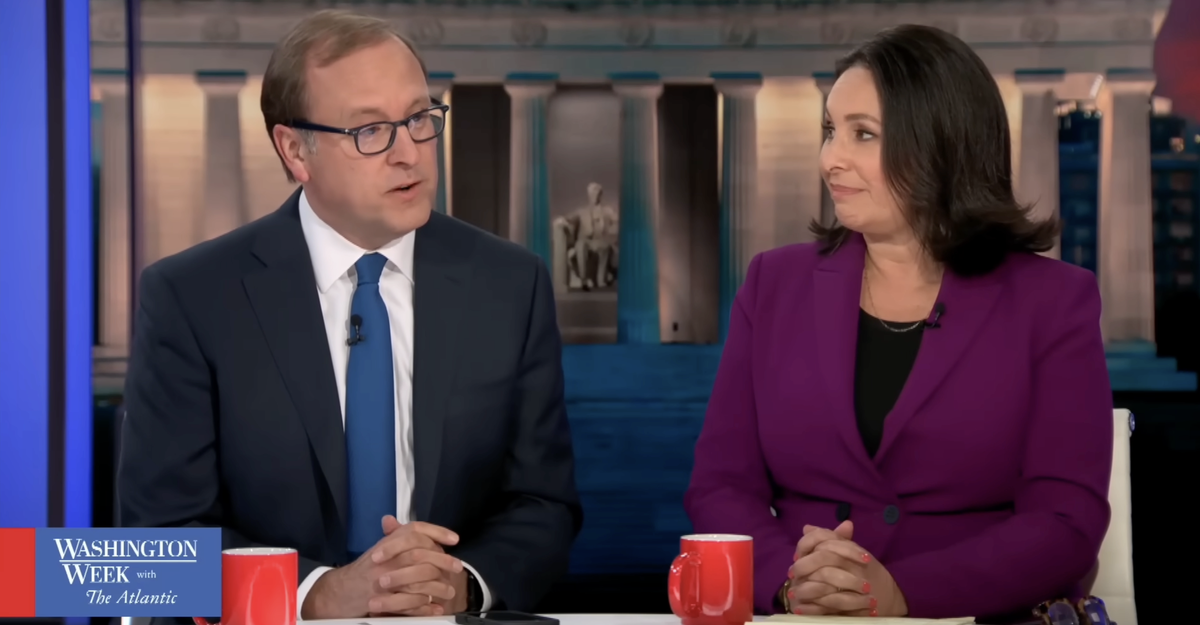
For decades, the United States has been a staunch ally of Israel, providing significant military and economic aid. However, recent years have witnessed a subtle but noticeable shift in American public opinion and, consequently, political pressure.Growing concerns over human rights in Gaza, coupled with a more vocal pro-Palestinian movement, have led to increased scrutiny of U.S.policy. This evolving landscape has created a situation where Israeli Prime Minister Benjamin Netanyahu, according to reporting from ABC News Chief Washington Correspondent Jonathan Karl, recognizes the critical importance of maintaining strong U.S. support.
Trump’s Role: Catalyst or Convenient Narrative?
The claim that Donald Trump “made this come together,” as stated by Karl,is a significant one.It suggests Trump’s personal relationship with Netanyahu, and potentially with Hamas leaders (through intermediaries), proved pivotal. Netanyahu’s long-standing understanding of American politics, and his perceived need for U.S. backing, may have made him more receptive to pressure from the former president.
However, attributing the potential deal solely to Trump risks oversimplification.Several othre factors are likely at play:
* Regional Exhaustion: Years of conflict have taken a toll on all parties involved. A desire for stability, even a fragile one, may be growing.
* International Pressure: Beyond the U.S., other nations – including Egypt, Qatar, and potentially Saudi Arabia – have been actively involved in mediation efforts.
* Internal Political Considerations: Both Netanyahu and Hamas leadership face internal pressures that could incentivize a deal, even one that isn’t ideal.
* Evolving Geopolitical Landscape: The war in Ukraine and rising tensions with Iran have reshaped regional priorities, potentially creating an opening for de-escalation in Gaza.
Assessing the Agreement’s Viability: Key Challenges and Potential roadblocks
Even if a formal agreement is reached, numerous challenges remain. The history of Israeli-Palestinian conflict is littered with broken promises and failed ceasefires. Several key issues could derail this potential peace process:
* Settlement Expansion: Continued Israeli settlement construction in the West Bank remains a major obstacle to a lasting peace.
* Gaza’s Reconstruction: Rebuilding Gaza after years of conflict will require significant international investment and a commitment to addressing the underlying economic issues.
* Hamas’s Future Role: The international community’s stance on Hamas, designated as a terrorist organization by many countries, will be crucial. any agreement must address concerns about the group’s continued military capabilities.
* Palestinian Authority’s Involvement: The role of the palestinian Authority, weakened and divided, is unclear. A lasting peace will likely require its full participation.
* Security Concerns: Ensuring the security of both Israelis and Palestinians will be paramount. Effective monitoring mechanisms and security guarantees will be essential.
| Factor | Optimistic outlook | Pessimistic Outlook |
|---|