
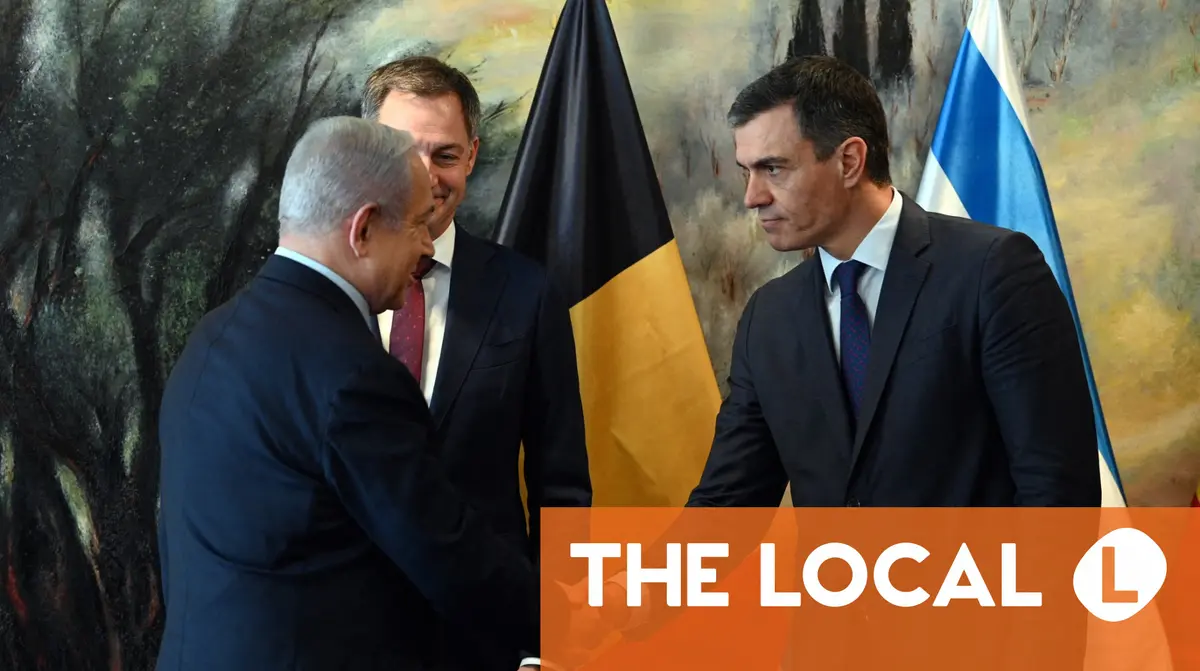
Netanyahu Accuses spanish PM of “Genocidal Threat” – A Deep Dive into the Diplomatic Crisis
The relationship between Israel and Spain has plummeted to a new low, marked by accusations of “genocidal threats” and reciprocal diplomatic downgrades. This escalating conflict, stemming from Spain’s increasingly vocal criticism of Israel’s military actions in Gaza, demands a closer examination. What sparked this intense exchange, and what does it signify for the broader geopolitical landscape?
The Core of the Dispute: Accusations and Rebuttals
The current crisis ignited after spanish Prime Minister Pedro Sánchez announced measures intended to halt what he termed a “genocide in Gaza.” These steps included a proposed arms embargo, restrictions on fuel shipments to the israeli military, and limitations on imports from settlements deemed illegal under international law.
Netanyahu’s office swiftly responded, interpreting Sánchez’s statement – specifically his acknowledgement that Spain lacks the military capacity to halt the offensive - as a “blatant genocidal threat” against the jewish state. This claim drew immediate and forceful condemnation from Madrid.
Spanish Defense Minister Margarita Robles countered, stating Netanyahu was hardly in a position to lecture anyone given the ongoing “atrocities” occurring in Gaza. The Spanish Foreign Ministry further denounced Netanyahu’s remarks as “false and slanderous,” reaffirming the Spanish people’s friendship with both Israelis and Palestinians.
A History of worsening Relations
This isn’t an isolated incident. Relations between Israel and Spain have been steadily deteriorating for months, largely due to Sánchez’s consistent and strong criticism of Israel’s military campaign following the October 7th hamas attack.
Here’s a timeline of key events:
* May 2023: Spain recognized a Palestinian state, breaking ranks with many European allies.
* Recent Months: Sánchez has repeatedly used the term “genocide” to describe the situation in Gaza,a characterization rejected by Israel.
* Current: Both countries have recalled their ambassadors, signaling a severe diplomatic rift. Israel has not replaced its ambassador to Madrid.
Understanding Spain’s Position
Sánchez’s stance reflects a growing wave of international concern over the humanitarian crisis in Gaza. He’s positioning Spain as a leading voice advocating for a ceasefire and a two-state solution. His actions, while controversial, are rooted in a commitment to international law and human rights.
You might be wondering, what specific actions is Spain taking beyond rhetoric? The proposed arms embargo, if implemented, would significantly restrict Israel’s access to European weaponry.The fuel restrictions aim to limit the israeli military’s operational capacity, while the import limitations target the economic viability of settlements.
Israel’s Perspective and Concerns
Israel views Sánchez’s accusations as deeply offensive and unfounded. The characterization of its actions as “genocide” is especially sensitive, evoking ancient trauma and undermining Israel’s right to defend itself against terrorism.
Netanyahu’s response underscores Israel’s perception that it faces an existential threat and that criticism from European leaders emboldens Hamas. The accusation of a “genocidal threat” is a deliberate attempt to delegitimize Spain’s criticism and highlight what israel sees as a double standard in international condemnation.
The Broader Implications
This diplomatic crisis has far-reaching implications:
* EU Unity: It exposes divisions within the European Union regarding the Israeli-Palestinian conflict.
* International Law: It raises questions about the interpretation and request of international law in armed conflicts.
* Geopolitical alignment: It signals a potential shift in geopolitical alignments, with Spain potentially forging closer ties with countries critical of Israel.
* Humanitarian Crisis: It distracts from the urgent need to address the humanitarian catastrophe unfolding in Gaza.
Evergreen Insights: Navigating International Conflict
International disputes are rarely black and white. They are complex webs of historical grievances, political calculations, and deeply held beliefs. Understanding the nuances of each side’s perspective is crucial for informed analysis.
Here are some key takeaways for navigating such conflicts:
* Context Matters: Always consider the historical context and underlying factors driving the conflict.
* Multiple Perspectives: Seek out diverse viewpoints and avoid relying on single narratives.
* Diplomacy is Key: Dialog and negotiation are essential for de-escalation and resolution.
* Humanitarian Concerns: Prioritize the protection of civilians and the alleviation of suffering.
FAQ: Israel-Spain diplomatic Crisis
**1.


