
The Shifting Sands of Peace: navigating the Israeli-Palestinian Conflict and the Threat of West Bank Annexation
The pursuit of lasting peace between Israelis and Palestinians remains one of the most complex and enduring challenges of our time. Recent developments, including escalating tensions in Gaza and renewed discussions surrounding West Bank annexation, underscore the fragility of the situation. Understanding the nuances of this conflict,the potential consequences of annexation,and the pathways toward a viable future requires a deep dive into the historical context,current political realities,and the voices of those working tirelessly for peace.
A Precarious Ceasefire and the Shadow of annexation
Recent reports indicate a US-backed ceasefire in Gaza is holding, offering a temporary respite from violence. However, this fragile stability is threatened by parallel actions within israel. Israeli lawmakers are actively advancing legislation that could pave the way for the annexation of portions of the West Bank.
This move has drawn swift and strong condemnation from international actors,including the United States. The potential annexation raises serious concerns about violating international law, undermining the possibility of a two-state solution, and further destabilizing the region. It’s crucial too understand that annexation isn’t a new concept; it’s been a recurring point of contention for decades,fueled by differing interpretations of historical claims and security concerns.
Understanding the Core Issues: A Historical Overview
To grasp the current crisis, you need to understand the historical roots of the Israeli-Palestinian conflict. The conflict’s origins trace back to the late 19th and early 20th centuries, with competing claims to the same territory.
Here’s a simplified timeline of key events:
* Late 19th/Early 20th Century: Rise of Zionism and Palestinian nationalism.
* 1947: United Nations proposes a partition plan for Palestine.
* 1948: Israel declares independence, leading to the first Arab-Israeli War and the displacement of Palestinians (the “Nakba“).
* 1967: Six-Day War results in Israel’s occupation of the West Bank, Gaza Strip, East Jerusalem, and the Golan Heights.
* 1993: Oslo Accords offer a framework for a two-state solution, but implementation stalls.
* Present: Ongoing conflict, settlement expansion, and stalled peace negotiations.
These events have created deep-seated grievances and mistrust on both sides, making any path toward resolution incredibly challenging.
The Implications of West Bank Annexation
Annexation refers to the legal incorporation of territory by one country into another. In the context of the Israeli-Palestinian conflict, it specifically refers to Israel formally claiming sovereignty over parts of the West Bank.
What are the potential consequences?
* Violation of International Law: Most of the international community considers the West Bank to be occupied territory, and annexation would be viewed as a violation of international law.
* Undermining the Two-State Solution: Annexation would considerably reduce the territory available for a future Palestinian state, making a two-state solution – the internationally favored outcome – increasingly challenging, if not impossible.
* Increased Violence: Annexation is likely to fuel further violence and unrest, both within the West Bank and potentially across the region.
* Damage to International Relations: Annexation could strain Israel’s relationships with key allies, including the United States and European nations.
* Demographic Shifts: Continued settlement expansion, coupled with annexation, alters the demographic landscape, further complicating any future negotiations.
Voices for Peace: The role of Civil Society
Despite the bleak outlook, hope remains. Numerous individuals and organizations are dedicated to fostering dialogue, building trust, and advocating for a peaceful resolution.
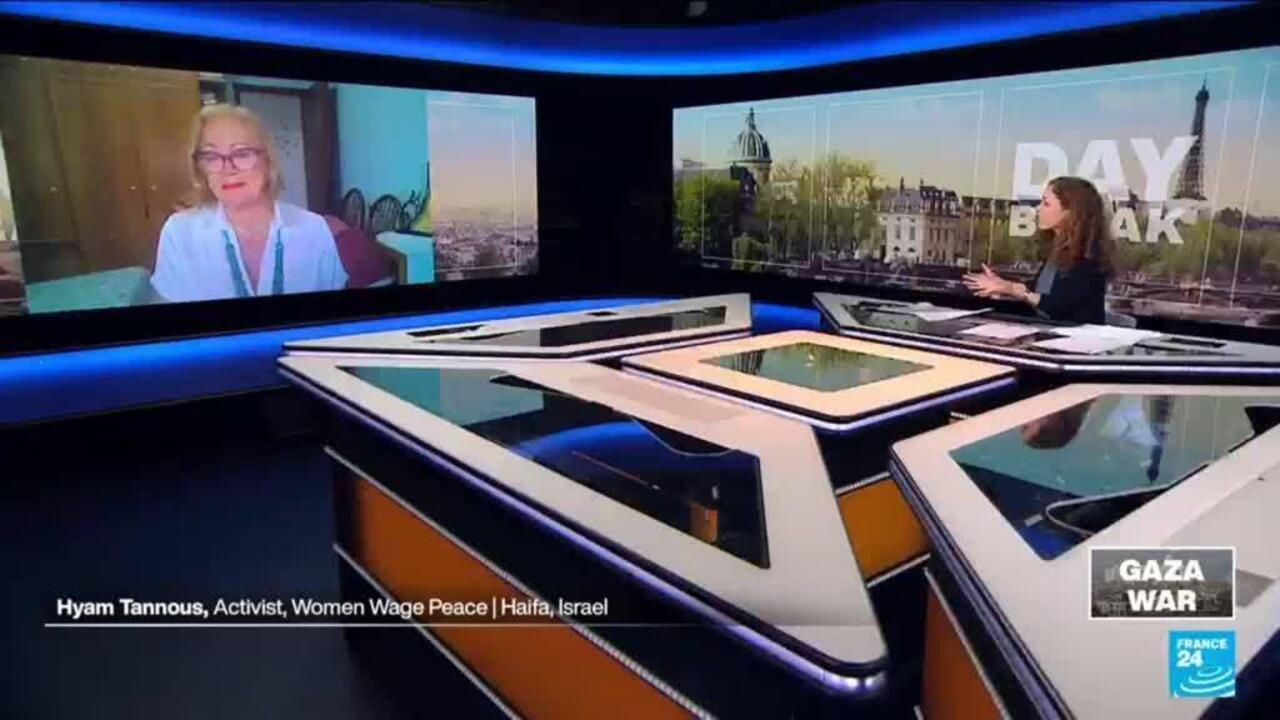
Organizations like Women Wage Peace, led by Hyam Tannous, exemplify this commitment. They bring together Israeli and Palestinian women to demand an end to the conflict and advocate for a negotiated agreement. These grassroots movements are vital in challenging the status quo and creating space for option narratives. They demonstrate that peace isn’t just a political objective; it’


