
A Seismic Shift in Gulf Diplomacy: Responses to the Israeli Strike in Qatar
the recent Israeli strike within Qatar, targeting Hamas leaders involved in Gaza war negotiations, has sent ripples throughout the Gulf region, prompting an unusual display of solidarity and raising critical questions about regional security. It’s a situation I’ve been closely watching, and the speed and nature of the responses are truly noteworthy.
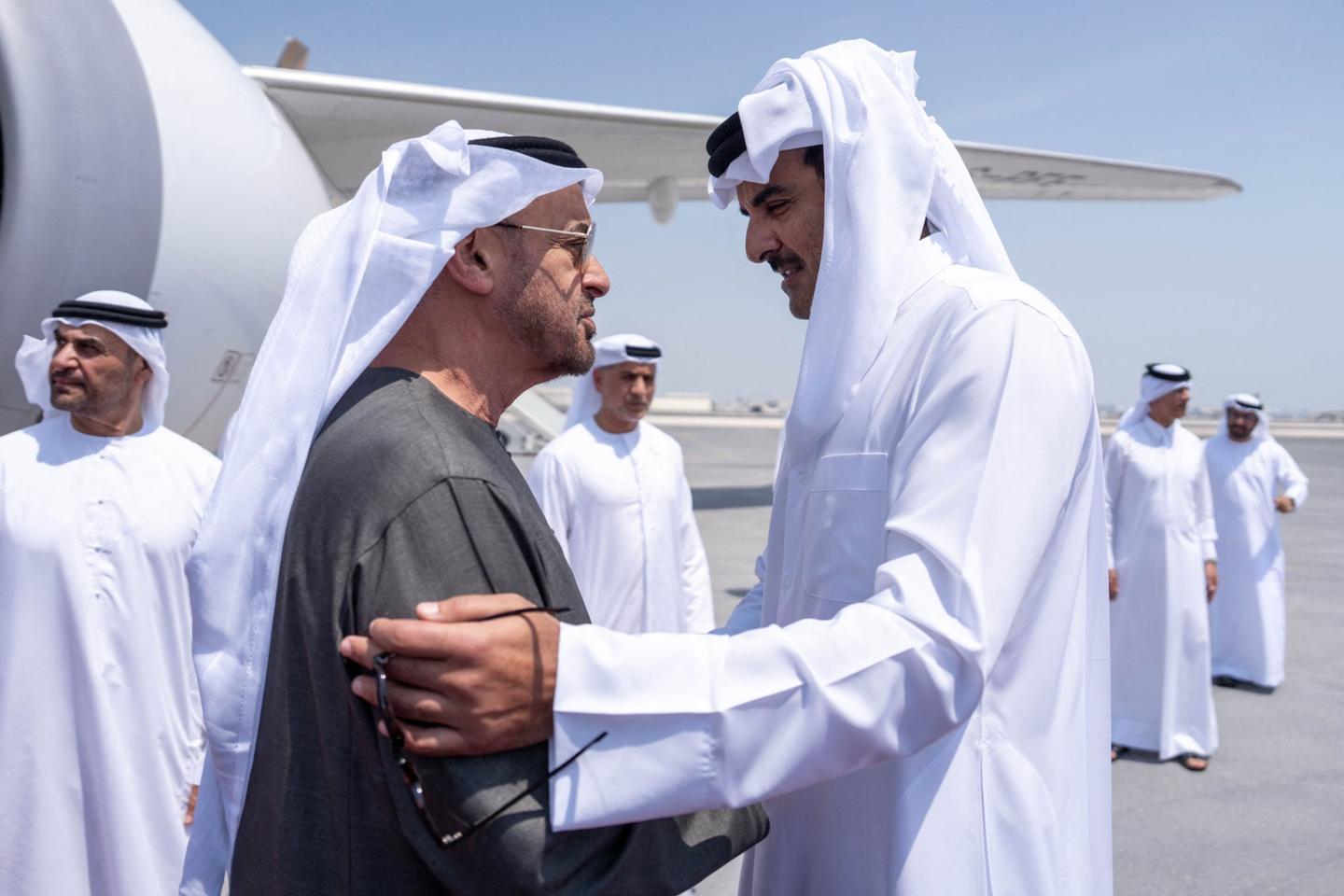
Mohammed bin Zayed, President of the United Arab Emirates, swiftly became the first Gulf leader to visit Doha on September 10th, just one day after the attack.This is particularly important considering the historically complex relationship between Qatar and the UAE.
Here’s a breakdown of what’s unfolding and why it matters to you:
unprecedented Condemnation: Gulf states have universally condemned the Israeli raid. Saudi Arabia denounced Israel’s “criminal violations,” while Oman labeled it a ”provocative aggression” and a risky escalation.
Demonstrations of Solidarity: Beyond verbal condemnation, leaders are traveling to doha to express support. Kuwait’s Crown Prince has already arrived, and Saudi Crown Prince Mohammed bin Salman was expected Thursday.
* A Breach of perceived Security: Qatar, a key U.S. ally, seemingly believed itself shielded from such direct action. This strike challenges that assumption and has clearly shaken regional confidence.
This isn’t simply about supporting Qatar.It’s about a broader concern for regional stability. You see, the attack occurred on sovereign territory, a line many in the Gulf had believed would not be crossed.I’ve found that moments like these often serve as catalysts for recalibration. The Gulf states are now reassessing their security postures and the implications of this unprecedented Israeli action.
The visit by Mohammed bin zayed is a powerful signal. Despite past disagreements, the UAE recognizes the gravity of the situation and the need for a unified Gulf response. It underscores that a strike against one Gulf nation is viewed as a potential threat to all.
Here’s what you should keep in mind as this situation develops:
- regional Repercussions: Expect increased diplomatic activity as Gulf states seek to de-escalate tensions and reaffirm their commitment to regional security.
- Impact on Negotiations: The strike could complicate ongoing efforts to negotiate a ceasefire in Gaza. Disrupting talks on Qatari soil sends a strong message, and perhaps hinders progress.
- U.S. Role: The United States’ response will be crucial. Gulf states will be looking for clear signals of support and a commitment to preventing further escalation.
Ultimately, this event highlights the fragility of the current regional landscape. It’s a reminder that even long-standing alliances and perceived security guarantees can be challenged. As this situation unfolds, staying informed and understanding the nuances of Gulf diplomacy will be more important than ever.


