
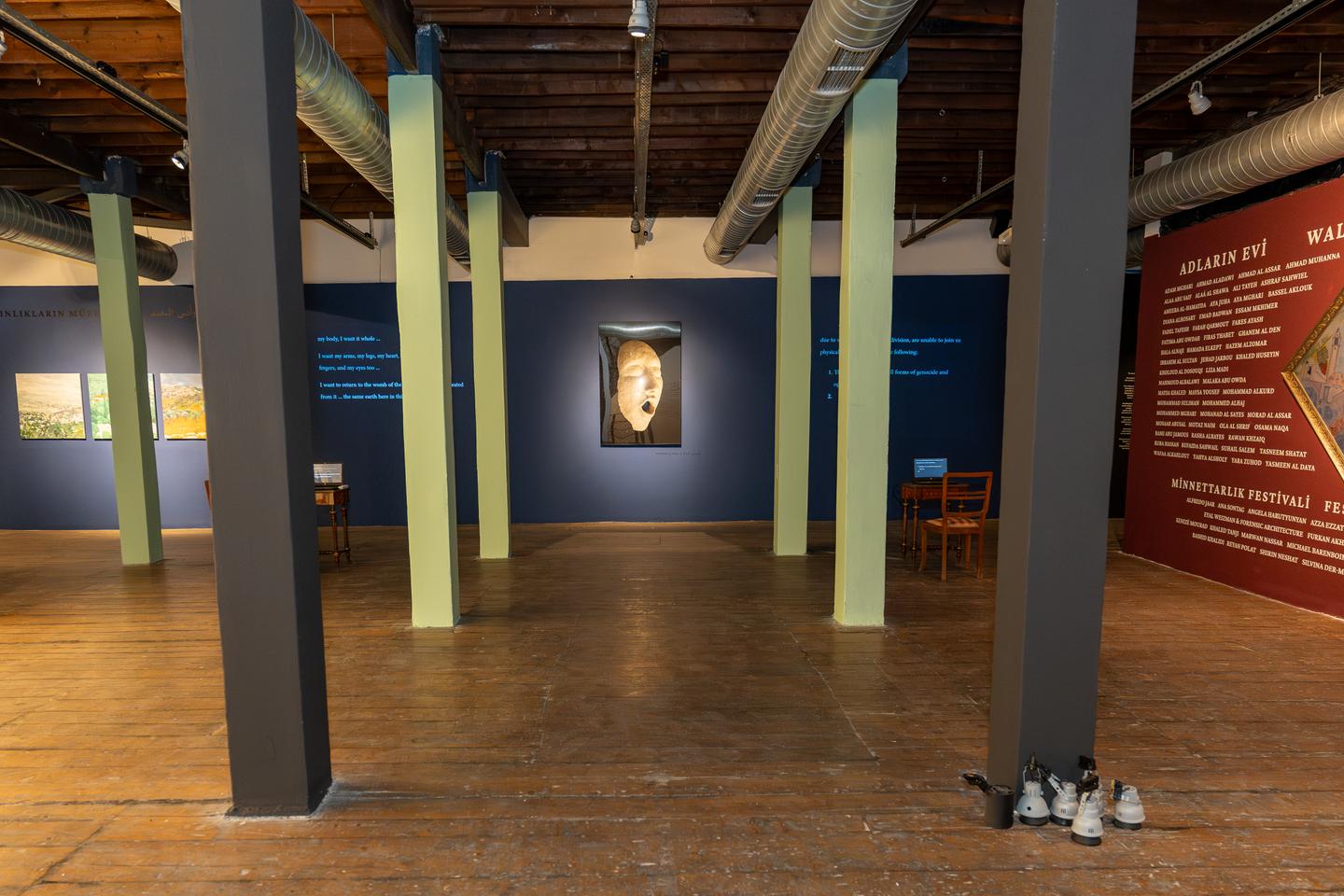
The Evolving Role of Art in Times of Political Constraint: Examining the 18th Istanbul Biennale
What power does art truly hold when individual freedoms diminish and a single online post can lead to imprisonment? What can we reasonably expect from artists when the atmosphere grows stifling and self-censorship becomes commonplace? These critical questions lie at the heart of the 18th Istanbul Biennale, a compelling exhibition unfolding against a backdrop of increasing political pressure in Turkey.
The biennale’s launch occurred just six months after the arrest of Ekrem Imamoglu,istanbul’s mayor and a leading figure in the opposition to President Recep Tayyip Erdogan‘s regime. This timing undeniably casts a long shadow over the event,prompting a deeper exploration of art’s role in challenging – or navigating – authoritarian contexts.
A Three-Year Vision: “The Three-Legged Cat“
Curator Christine Tohmé has conceived of this biennale not as a singular event, but as a three-year unfolding. Its enigmatic title, “The Three-Legged Cat,” reflects this extended timeframe and the inherent instability it embraces.
This innovative structure breaks from tradition. It begins with a focused exhibition featuring approximately forty artists, primarily hailing from the Global south. Following this initial display, an “academy” – details of which are still emerging – will launch in 2026. a second exhibition is planned for 2027,before returning to a standard biennial schedule in 2029.
This extended format acknowledges the rapid pace of change in the region. as Kevser Güler, the biennale’s deputy director, explains, conventional frameworks often prove inadequate. “In regions like ours, everything evolves so quickly that rigid concepts are no longer sufficient.” she emphasizes the need for continuous learning and, crucially, unlearning.
Navigating Constraints and Finding new Pathways
The biennale doesn’t offer easy answers. Rather, it presents a complex tapestry of artistic responses to a world grappling with shrinking freedoms. You’ll encounter works that directly confront political repression, while others explore more subtle strategies of resistance.
Consider these key themes emerging from the exhibition:
* The Power of Narrative: Many artists utilize storytelling to preserve memory and challenge dominant narratives.
* The Fragility of Public Space: several pieces examine the erosion of public spaces for dissent and the increasing surveillance of citizens.
* The Role of Collective Action: A recurring motif is the importance of solidarity and collective action in the face of adversity.
* The Limits of representation: Artists grapple with the challenges of representing trauma and injustice without resorting to exploitation.
What This Means for You
The 18th Istanbul Biennale isn’t simply an art exhibition; it’s a vital cultural barometer. It reflects the anxieties and aspirations of a region in flux.
For you, as an observer of contemporary art and global politics, this biennale offers a unique chance to:
* Engage with diverse artistic voices: Discover artists from frequently enough-overlooked regions of the world.
* Reflect on the relationship between art and power: Consider how art can be used to challenge, resist, or even reinforce existing power structures.
* Understand the complexities of political constraint: Gain a deeper recognition for the challenges faced by artists working in repressive environments.
Ultimately, the biennale compels us to ask ourselves: what is the duty of art – and of artists - in a world where freedom is increasingly precarious? It’s a question that resonates far beyond the walls of the exhibition space, inviting us all to consider our own roles in safeguarding artistic expression and defending fundamental freedoms.


