
Navigating the Future of the Common Agricultural Policy
Recent discussions surrounding the common Agricultural Policy (PAC) reveal a complex interplay between securing funding, addressing trade concerns, adn ensuring the sustainability of European agriculture. A important increase in financial resources, possibly reaching 45 billion euros in the next multi-year budget, has sparked debate about its implications, particularly in relation to ongoing trade negotiations. You might be wondering how these developments will impact the agricultural landscape and your livelihood if your involved in the sector.
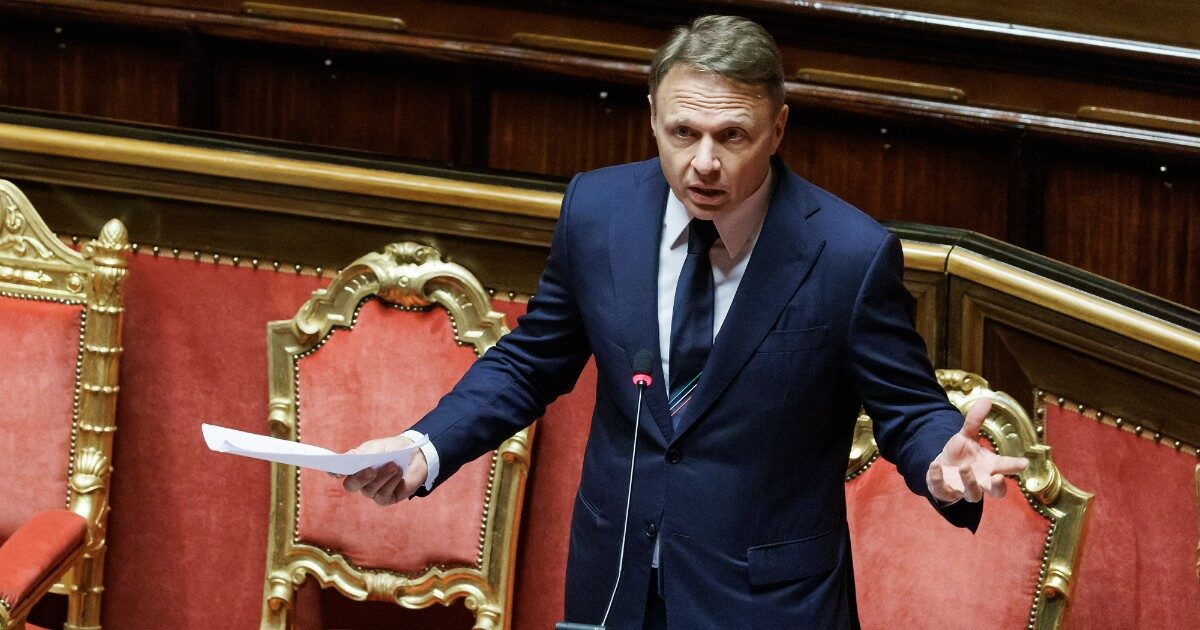
Senator giorgio Maria Bergesio, Vice president of the Senate’s Productive Activities Commission, acknowledges the positive step of securing additional PAC funding thanks to government efforts. Though, he cautions against viewing this as a simple trade-off for approving the Mercosur trade agreement without robust reciprocity measures.Without strong reciprocal clauses, key sectors like beef, poultry, rice, corn, and sugar could face unsustainable unfair competition.
Concerns Over the Mercosur Agreement
The proposed agreement has ignited criticism from opposition parties, who argue that it risks undermining Italian agriculture. critics suggest that the current offer amounts to selling out
Italian farming in exchange for minimal gains. They point out that the total resources allocated to national plans remain unchanged, potentially leading to further cuts in cohesion funds to compensate for the PAC adjustments.
Furthermore, the touted 45 billion euros for farmers may not represent new funding, but rather an advance on payments already due to Italy.Eurodeputy Cristina Guarda of the Greens/Ale emphasizes that the promises from the european Commission, lead by Ursula von der Leyen, appear superficial and driven by pressure to unlock the trade deal. She contends that the funding is merely an anticipation of resources previously planned for use only after a mid-term review of the 2028-2034 budget. Pro Tip: Always scrutinize the fine print of funding announcements to understand the actual availability and conditions attached to the funds.
The lack of guaranteed funding and the discretionary nature of resource allocation by member states raise concerns about whether farmers will receive the promised support. As of December 2023, the European Parliament is still debating the specifics of the Mercosur agreement, with significant opposition remaining from agricultural committees.
Here’s a quick comparison of the key concerns:
| Issue | Government Position | Opposition Position |
|---|---|---|
| PAC Funding | Positive step, secured through negotiation | Insufficient, potentially offset by cuts elsewhere |
| Mercosur Agreement | Acceptable with reciprocity clauses | Detrimental to Italian agriculture without reciprocity |
| Funding Clarity | Represents new resources | Advance on existing payments, lacks guarantees |
The Importance of Reciprocity
Reciprocity in trade agreements is crucial for ensuring a level playing field. It means that trading partners grant each other equivalent market access and adhere to similar standards. Without reciprocity, European farmers could be disadvantaged by lower production costs or less stringent regulations in Mercosur countries. This could led to a decline in domestic production and increased reliance on imports. I’ve found that accomplished trade agreements always prioritize fair competition and mutual benefit.
The european Commission has been under pressure to finalize trade deals, including Mercosur, to diversify its trading partners and strengthen its geopolitical position. Though, balancing these objectives with the need to protect European farmers remains a significant challenge. Did you Know? The Mercosur bloc includes Argentina, Brazil, Paraguay, and Uruguay, representing a significant agricultural powerhouse.
The debate over the PAC and Mercosur highlights the broader tensions between free trade and agricultural protectionism. Finding a enduring solution requires careful consideration of the economic, social, and environmental impacts on all stakeholders. it’s a delicate balancing act that demands transparency, collaboration, and a commitment to fairness.
ultimately, the future of the PAC and the success of the Mercosur agreement will depend on the ability of policymakers to address these concerns and forge a path forward that benefits both European farmers and consumers. As of January 8, 2024, negotiations are ongoing, and the outcome remains uncertain.
What steps do you think are necessary to ensure a fair and sustainable agricultural policy in Europe? Share your thoughts in the comments below.
This is a pivotal moment for the Common Agricultural Policy, and understanding the nuances of these discussions is essential for anyone involved in the agricultural sector. The ongoing debate surrounding trade agreements and funding allocations will shape the future of farming in Europe for years to come. Considering related topics like sustainable farming practices and the impact of climate change on agriculture is also crucial for a thorough understanding of the challenges and opportunities ahead.
Disclaimer: this article provides facts based on publicly available data as of January 8, 2024, and should not be considered financial or legal advice. Always consult with qualified professionals for specific guidance.


