
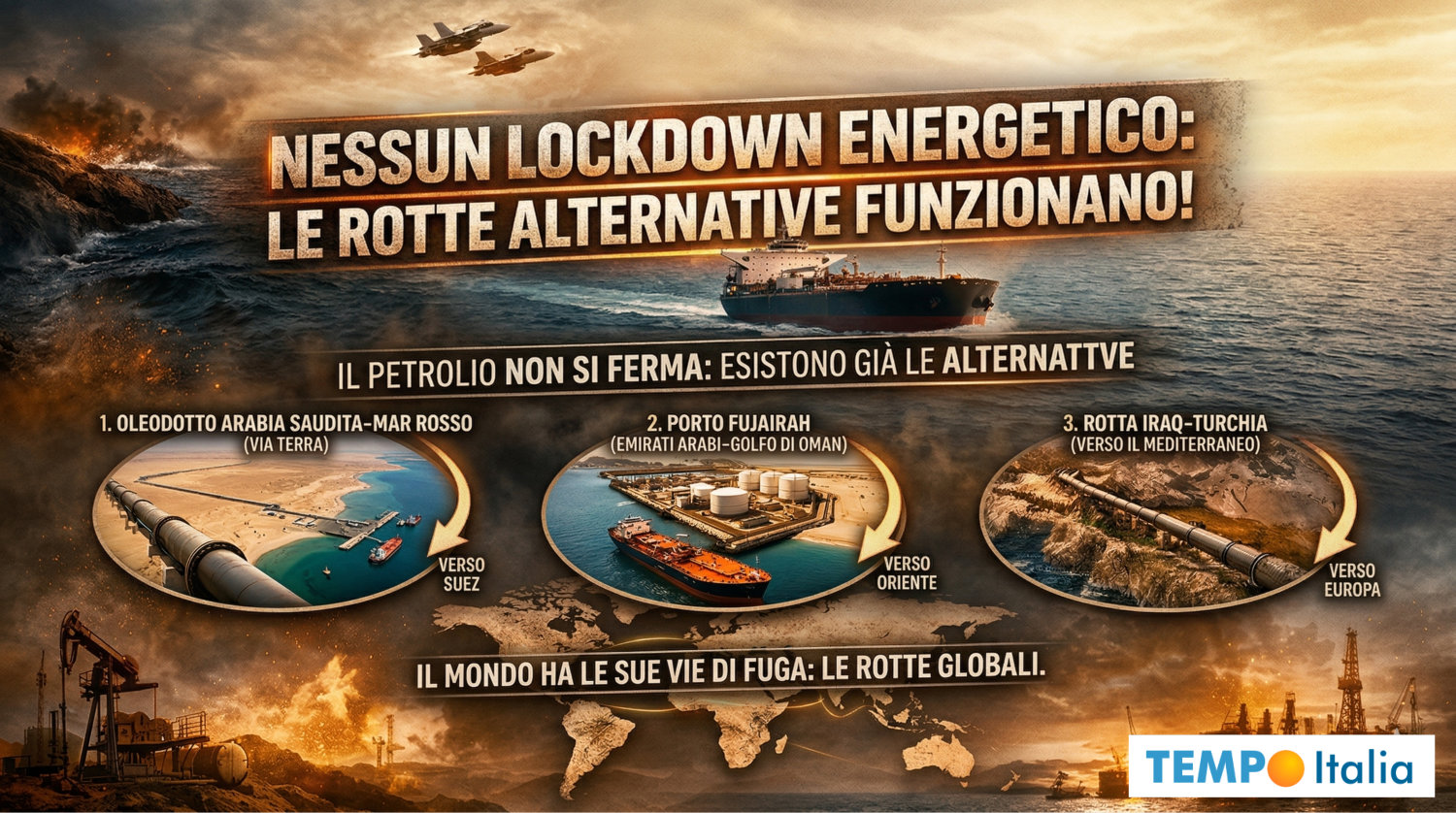
The intersection of energy stability and environmental policy has become a focal point of global debate, particularly as nations grapple with the volatility of fuel markets. In Italy, the conversation around energy constraints—often framed as a “lockdown” on gasoline and gas—has sparked intense scrutiny regarding whether such pressures are the result of genuine scarcity or the byproduct of market speculation.
While the term “lockdown” in this context is frequently used to describe restrictive energy policies or sudden price hikes, the underlying drivers are often a complex mix of geopolitical tensions, climate goals, and economic opportunism. For consumers, the primary concern remains the cost of living and the transparency of fuel pricing, leading many to question the “unjustified” nature of certain market fluctuations.
Understanding these dynamics requires a look at the broader environmental context. The push to reduce atmospheric pollutants and avoid the worst effects of climate change is driving a transition away from fossil fuels, but this shift often creates temporary instabilities in the supply chain that speculators can exploit.
The Role of Climate Change in Energy Volatility
The transition toward a decarbonized economy is not merely a policy choice but a response to significant environmental shifts. Climate change refers to long-term, significant variations in Earth’s climate, which include changes in global temperatures and precipitation patterns, as well as an intensification of extreme weather events according to Meteo2.
These environmental pressures have a direct impact on energy production. For instance, Italy’s ability to produce hydroelectric power is closely tied to water availability. According to data from ISPRA, total precipitation in Italy for 2025 was 963.4 mm (approximately 291 billion m³), which represented a decrease of about 9% compared to the particularly rainy year of 2024 per ISPRA.
This decline in water resources has tangible effects on the energy grid. ISPRA reports that the increase in national greenhouse gas emissions in the third quarter of 2025 was driven primarily by a higher consumption of natural gas for electricity production, which was partly linked to a reduction in hydroelectric production per ISPRA.
The Speculation Gap: Why Prices Rise
When hydroelectric output drops and the reliance on natural gas increases, the market often reacts with volatility. This is where the “unjustified” element of fuel pricing often enters the discussion. Speculation occurs when market actors bet on future scarcity, driving up current prices even if the physical supply is sufficient to meet immediate demand.
The tension arises as the strategy for decarbonization—which involves a “sensible drop” in emissions related to coal consumption for energy production—sometimes clashes with the immediate need for affordable fuel per ISPRA.
Analyzing the “Unjustified” Constraints
Critics of current energy trends argue that the “lockdown” of affordable fuel is not an inevitable result of climate policy but a failure of regulation. The argument is that while the goal of avoiding climate change is essential, the path to getting there should not be leveraged by entities to inflate prices through speculation.

To combat this, experts emphasize the importance of data-driven strategies. For example, the development of new climate reanalysis tools, such as ITINERE launched by ItaliaMeteo in 2025, aims to fill gaps in regional data to help build better mitigation strategies and adaptation plans per ItaliaMeteo.
Key Environmental Drivers of Energy Shifts
- Renewable Resource Decline: In 2025, Italy’s renewable water resource—the amount of precipitation minus evapotranspiration—was estimated at 128 billion m³, which was over 7% lower than the long-term annual average per ISPRA.
- Emission Intensity: Despite a slight increase in overall greenhouse gas emissions (+0.3% compared to 2024), the emission intensity—emissions per unit of GDP—actually decreased by 0.5% in 2025 per ISPRA.
- Anthropogenic Causes: The broader climate crisis is fueled by human activities, specifically the emission of greenhouse gases like carbon dioxide (CO₂), methane (CH₄), and nitrous oxide (N₂O) per Meteo2.
What Happens Next?
The struggle between the need for immediate energy affordability and the long-term necessity of climate adaptation continues. The “options that nobody mentions” often involve more aggressive regulation of speculative trading in the energy sector and a faster, more subsidized transition to decentralized renewable energy to reduce reliance on the volatile natural gas market.
As ISPRA continues to monitor the evolution of water resources and emission trends, the data will likely play a crucial role in determining whether future “lockdowns” or price spikes are justified by physical scarcity or are merely the result of market manipulation.
The next critical checkpoint for energy and climate monitoring will be the continued updating of the hydrological balance and the tracking of the national decarbonization strategy to see if the reduction in coal and gas dependency translates into price stability for the end consumer.
We invite our readers to share their perspectives on energy costs and climate policy in the comments below.