
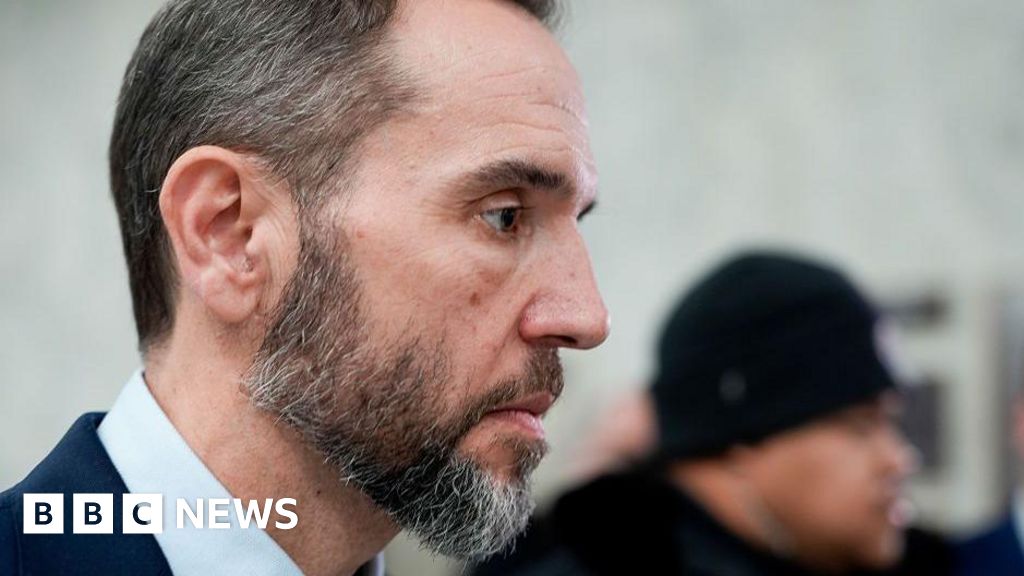
Special Counsel Smith Testifies on Trump Investigations, Reveals Concerns of Retribution
teh recent congressional testimony of Special Counsel Jack Smith has shed light on the complexities surrounding the investigations into former President Donald Trump’s actions following the 2020 election and handling of classified documents. Smith’s appearance before the House Judiciary Committee underscored not only the evidence gathered but also his concerns about potential political interference and retribution. This article provides a comprehensive overview of the key takeaways from Smith’s testimony, the context of the investigations, and the implications for the ongoing legal and political landscape.
The Investigations: A Timeline
Let’s break down the sequence of events leading to Smith’s testimony.
* 2022: attorney General Merrick Garland appointed Smith as Special Counsel. His mandate: investigate Trump’s efforts to overturn the 2020 presidential election results.
* Pre-2024 Return to Office: Smith completed a report concluding sufficient evidence existed to pursue charges in both the election interference and classified documents cases.
* 2024 (Early): A florida judge dismissed the classified documents case.
* October 2024: Trump was indicted on charges related to his alleged attempts to influence lawmakers following the election. He instantly labeled the indictment a politically motivated “witch hunt.”
* December 17th: Smith testified before Congress.
Focus on election Interference & January 6th
A central theme of Smith’s testimony revolved around the events surrounding the January 6th,2021,attack on the U.S. Capitol. Trump has consistently downplayed his role and responsibility, even claiming it was a “day of love” and that “nothing done wrong at all.” However, Smith’s inquiry paints a different picture.
His team focused on uncovering how the White House communicated with members of Congress before, during, and after the Capitol breach. Specifically, investigators sought to determine which lawmakers were contacted by Trump and his inner circle as they attempted to halt the certification of the 2020 election results.
Call Records & Investigative Methods
Smith defended his team’s requests for call records from certain members of Congress, characterizing them as standard investigative procedure. These records, he explained, didn’t reveal what was said, but who was communicating with whom, and when.
This data proved crucial in establishing a timeline of dialog and identifying potential attempts to pressure lawmakers. Smith noted the records helped demonstrate instances where Trump was informed his claims of election fraud were untrue.
Concerns of Retribution
Perhaps the most striking aspect of Smith’s testimony was his explicit concern about potential retribution from Trump.He stated unequivocally, “I have no doubt that the president wants to seek retribution against me.”
smith further expressed worry that the Department of Justice might be targeted for retaliation against anyone involved in cases against the former president. This concern isn’t unfounded; the Trump administration previously fired Smith and his staff.
Trump’s Response & Pardons
Throughout the investigations and subsequent indictments, Trump has maintained his innocence and attacked the legitimacy of the proceedings. Following his return to office, he pardoned over 1,500 individuals involved in the January 6th Capitol riot.
His reaction to the October 2024 indictment was typical, dismissing it as an attempt to interfere with the 2024 presidential election.
Key Takeaways for You
* The investigations are ongoing and complex. Multiple legal challenges and political factors are at play.
* Smith’s testimony highlights the seriousness of the allegations. His concerns about retribution raise questions about the potential for political interference in the justice system.
* Openness is crucial. The release of information, like the call records, is vital for public understanding, even if it generates controversy.
* The events of January 6th remain a focal point. Understanding the communication surrounding that day is key to understanding the broader effort to overturn the 2020 election.
This situation continues to evolve. As a citizen, staying informed about these developments is essential for understanding the health of our democracy and the rule of law.
Disclaimer: This article provides a factual overview of the events based on publicly available information. It is not intended as legal advice.


