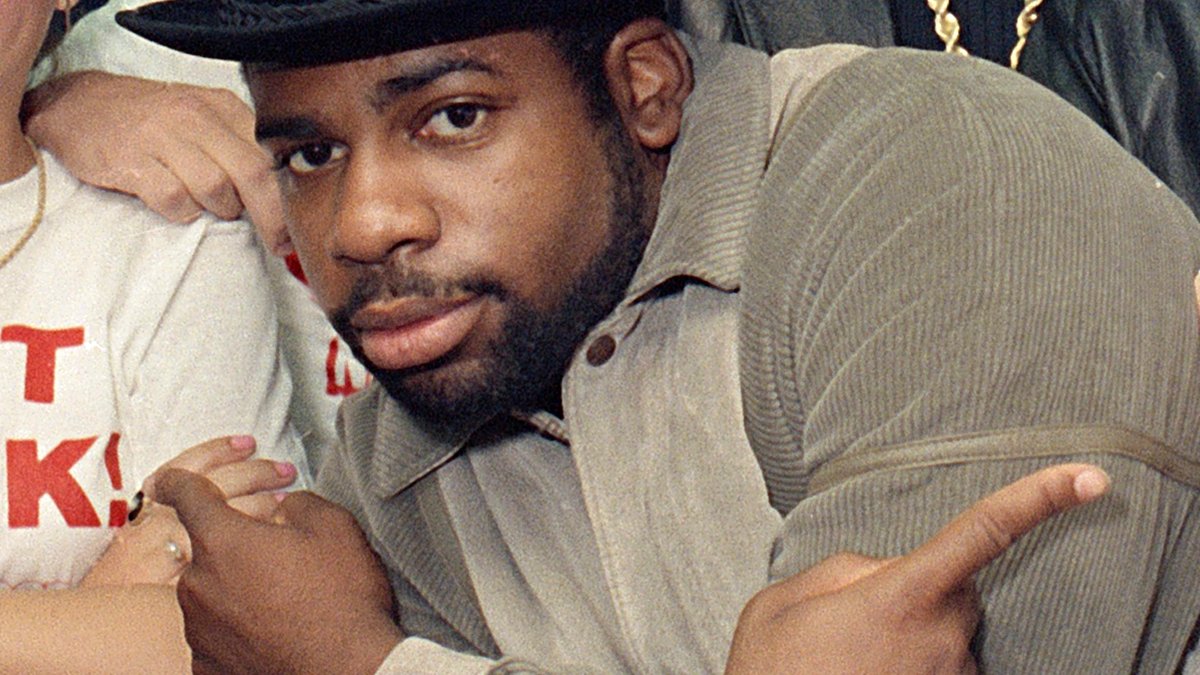
The Jam Master Jay case: A Stunning Reversal and What It Means for Justice in Hip-Hop
The 2002 murder of Jason ”Jam Master Jay” Mizell, the beloved DJ of iconic hip-hop group Run-D.M.C., was a seismic event. For nearly two decades, the case remained cold, a frustrating symbol of unsolved crimes in the music industry.The 2024 convictions of Karl Jordan Jr. and Ronald Washington were hailed as a breakthrough,a long-awaited victory for justice. However, on December 20, 2025, a stunning reversal occurred: U.S. District Judge LaShann DeArcy Hall voided the conviction of Karl Jordan Jr., citing insufficient evidence of motive.This advancement throws the entire case back into the spotlight, raising critical questions about the investigation, the evidence presented, and the pursuit of justice in high-profile criminal cases.this article delves into the intricacies of the Jam Master Jay murder, the recent court ruling, and its implications for the future.
The Original Case & 2024 Convictions: A Recap
Run-D.M.C. wasn’t just a band; they were pioneers. They propelled hip-hop into the mainstream in the 1980s with hits like “It’s Tricky” and their groundbreaking collaboration with Aerosmith on “Walk This Way.” Jam Master Jay, with his signature turntable skills, was integral to their success. his murder on october 30, 2002, in his Queens recording studio, sent shockwaves through the music world.
The initial investigation stalled, hampered by a lack of witnesses and conflicting accounts. It wasn’t until 2020 that arrests were made.The prosecution’s case centered around the testimony of an eyewitness who claimed to have seen jordan shoot Mizell. They argued the motive stemmed from a failed drug deal,alleging Jordan sought revenge for a perceived slight. Washington was presented as an accomplice.
The 2024 trial culminated in convictions for both men, with prosecutors celebrating a victory decades in the making. However, the defense consistently maintained Jordan’s innocence, arguing the evidence failed to establish a credible motive. This argument ultimately resonated with Judge Hall.
The Court’s Decision: Why Jordan’s Conviction Was Voided
Judge Hall’s decision to grant Karl Jordan Jr. an acquittal wasn’t a dismissal of the eyewitness testimony entirely, but a critical assessment of the totality of the evidence. The judge found that the prosecution hadn’t sufficiently demonstrated a clear link between Jordan and a motive for the killing. The lack of concrete evidence connecting Jordan to the alleged drug deal, and the absence of corroborating testimony, proved fatal to the case against him.
This ruling underscores a crucial principle of the American legal system: guilt must be proven beyond a reasonable doubt. while the eyewitness account placed Jordan at the scene, it wasn’t enough to overcome the defense’s challenge to the prosecution’s theory of motive.
Ronald Washington, however, was not granted a similar reprieve. Judge Hall denied his bid for an acquittal or a new trial,though his legal team indicated they would pursue further appeals. This disparity in outcomes highlights the complexities of the case and the differing strengths of the evidence against each defendant.
Implications and Future of the Case: what’s Next?
The voiding of Jordan’s conviction doesn’t necessarily mean he’s innocent.He remains incarcerated, facing separate drug charges from years after the murder.