The Erosion of Free Speech in America: A Growing Crisis and Pathways to Resistance
The recent controversies surrounding Jimmy kimmel and Stephen Colbert, coupled with a broader pattern of pressure on media outlets, signal a deeply concerning trend: a deliberate erosion of free speech principles within the United States. This isn’t simply about late-night comedy; it’s about the essential right to dissent and the health of our democracy. As veteran activist and actress Jane Fonda recently articulated, the current situation is unprecedented in modern American history, demanding a unified and strategic response.
This article will delve into the specifics of these recent events, analyze the underlying forces at play, and explore effective strategies for safeguarding free expression – drawing on ancient precedents and expert insights.
The Kimmel & Colbert Cases: A Pattern of Intimidation
The situation with Jimmy Kimmel began with threats from Federal Communications Commission (FCC) Chair brendan Carr to revoke the broadcast licenses of ABC affiliates due to comments made on Kimmel’s show. ABC temporarily suspended the show, but public outcry – and ultimately, a significant cancellation rate of Disney subscriptions (1.7 million, according to Fonda) – led to its reinstatement.
However, the story doesn’t end there. Sinclair Broadcasting and Nexstar, major players in local media ownership, refused to air Kimmel’s show even after Disney reversed course. This highlights a disturbing willingness within certain media conglomerates to prioritize political pressure over journalistic independence.
Concurrently,Stephen Colbert is slated to leave The Late Show in May,a move widely perceived as a result of similar pressures and a climate of self-censorship. Kimmel himself directly linked his situation to Colbert’s, emphasizing the chilling effect these actions have on the entire media landscape.
Beyond Late Night: A Broader Assault on Dissent
These incidents aren’t isolated. They represent a concerted effort to stifle critical voices and control the narrative. This manifests in several ways:
* Political pressure on Media Owners: As seen with ABC, threats of regulatory action can be used to coerce media companies into compliance.
* Consolidation of Media Ownership: The increasing concentration of media ownership in the hands of a few powerful corporations limits diversity of opinion and increases vulnerability to political influence.
* Online Censorship & Deplatforming: While frequently enough framed as combating misinformation, concerns remain about the arbitrary and politically motivated removal of content and accounts from social media platforms.
* Attacks on Journalists: Increasing hostility towards journalists, both online and offline, creates a climate of fear and self-censorship.
Lessons from History: The Power of Noncooperation
Fonda’s analysis draws crucial parallels to historical moments of repression in the US. She points to the McCarthy era,the suppression of the black Panther Party,and even the early flirtations with fascism in the 1920s and 30s.However, she argues that the current situation is different – more insidious and widespread.
Crucially, Fonda highlights the effectiveness of noncooperation as a tool for resistance. She cites two powerful examples:
* The Muslim Ban (2017): A threatened general strike by flight attendants,led by Sara Nelson,played a significant role in halting the implementation of the ban.
* The Civil Rights Movement: Lunch counter sit-ins economically impacted businesses in the South, ultimately pressuring local officials to desegregate.
These examples demonstrate a fundamental principle: when collective action directly impacts the financial interests of those in power, change becomes unavoidable.
A Multi-Pillar Strategy for Protecting Free Speech
Fonda proposes a strategic approach focused on dismantling the “pillars” that support the current regime. These pillars include:
* Military: reducing the influence of the military-industrial complex.
* Media: Supporting independent journalism and challenging media consolidation.
* Professions: Encouraging professionals (lawyers, doctors, academics, etc.) to uphold ethical standards and resist political pressure.
* Financial Institutions: Holding financial institutions accountable for funding entities that undermine democratic principles.
The key,Fonda emphasizes,is unity and organized action across these sectors. “Every person for himself” is a recipe for disaster in a democracy.
Reclaiming the First Amendment: A Call to Action
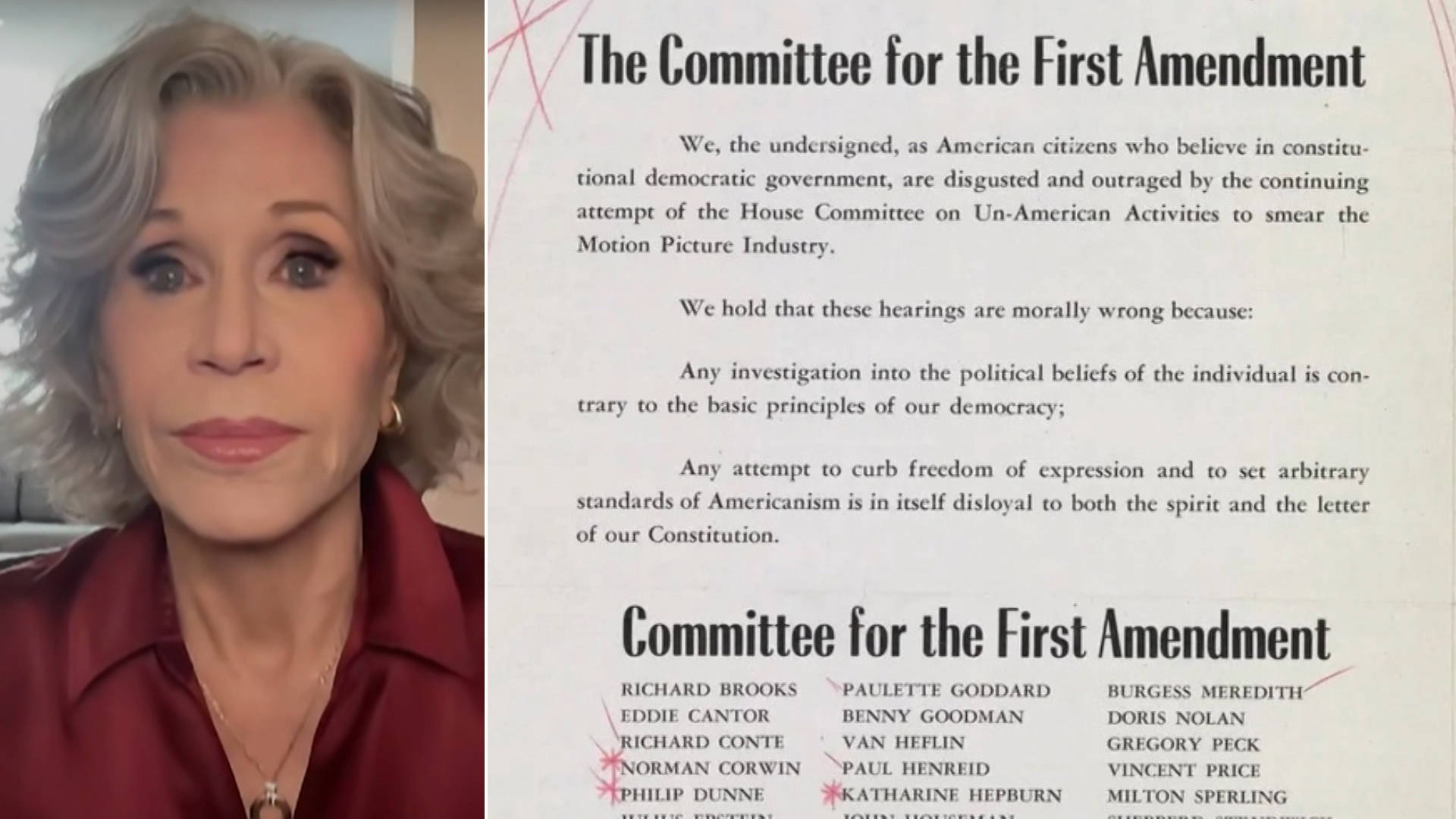
Fonda’s recent relaunch of her father Henry Fonda’s Committee for the First Amendment (established in 1947 to combat McCarthyism) underscores the urgency of this moment.Protect