The Rise of Community Cafeterias: Supporting Families and Rebuilding Japan’s Social Fabric
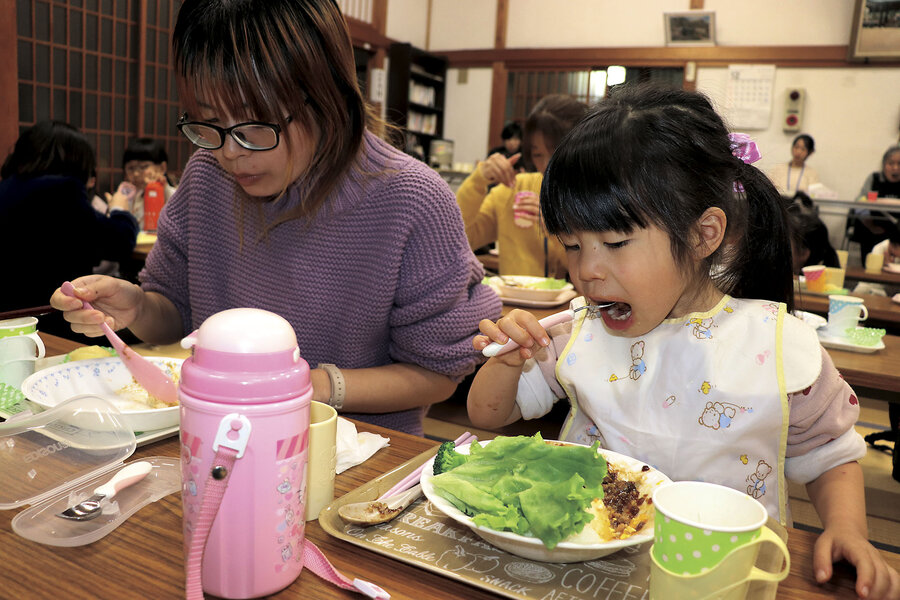
A quiet revolution is underway in Japan, addressing both the challenges of modern family life and the growing issue of social isolation. it centers around kodomo shokudō – children’s cafeterias – volunteer-run spaces offering nutritious meals and, crucially, a sense of community for families in need. These aren’t simply soup kitchens; they’re vibrant hubs fostering connection and support.
Addressing a Growing Need
Japanese mothers frequently enough bear the brunt of childcare responsibilities. Consequently, they frequently experience isolation as traditional community and family support networks weaken. This isolation impacts not only mothers but also their children, creating a need for accessible, supportive environments.
These cafeterias emerged as a direct response to this growing concern. They provide a safe, welcoming space where children can enjoy a healthy meal and interact with peers, while parents connect with other adults.
More Than Just a Meal
The benefits extend far beyond addressing food insecurity. Consider these key advantages:
* Combating Isolation: They offer a vital social outlet for both parents and children.
* Strengthening Communities: They create opportunities for intergenerational interaction and volunteerism.
* Supporting Single-Parent Households: they provide a reliable source of nourishment and support.
* Boosting Child Well-being: They offer a nurturing surroundings that promotes healthy growth.
From Personal Experience to Community Action
Many cafeteria founders were driven by personal experiences. Sachiko Yoneda, a consultant and university instructor, realized the stagnation she felt while raising her own children was mirrored in her community.This realization spurred her to action, recognizing the need for accessible support systems.
Similarly, Manami koike started a children’s cafeteria in kawagoe in 2023. Now, she manages three locations, incorporating games and activities to further enhance the family experience. “It takes a community to raise a child,” she emphasizes, advocating for widespread community involvement.
Rebuilding Rural Communities
The impact is notably profound in rural areas facing aging populations and depopulation. Kazuyoshi Gidou, leading a nonprofit in Shiranuka, Hokkaido, founded a cafeteria in 2019 after a period of illness.He understood the critical need for social connection in a dwindling community.
Today, volunteers in their 70s and 80s prepare weekly lunches. additionally,the group delivers bento boxes to over 130 single-parent households monthly. They also offer tutoring services, demonstrating a holistic approach to community support.
A Model for Lasting Change
Fujie Yumiko, chef at Children’s cafeteria Qchan in Nagoya, embodies the spirit of these initiatives. She receives donations from across Japan, highlighting the widespread support for this movement.
Her vision extends beyond immediate needs. She hopes that the children who benefit from Qchan will, in turn, contribute to their communities as adults. This embodies the long-term goal: fostering a culture of giving back and strengthening the social fabric of Japan.
These children’s cafeterias represent a powerful example of grassroots innovation. They demonstrate how simple acts of kindness and community collaboration can address complex social challenges. As these initiatives continue to grow, they offer a promising path toward a more connected and supportive future for families across Japan.