
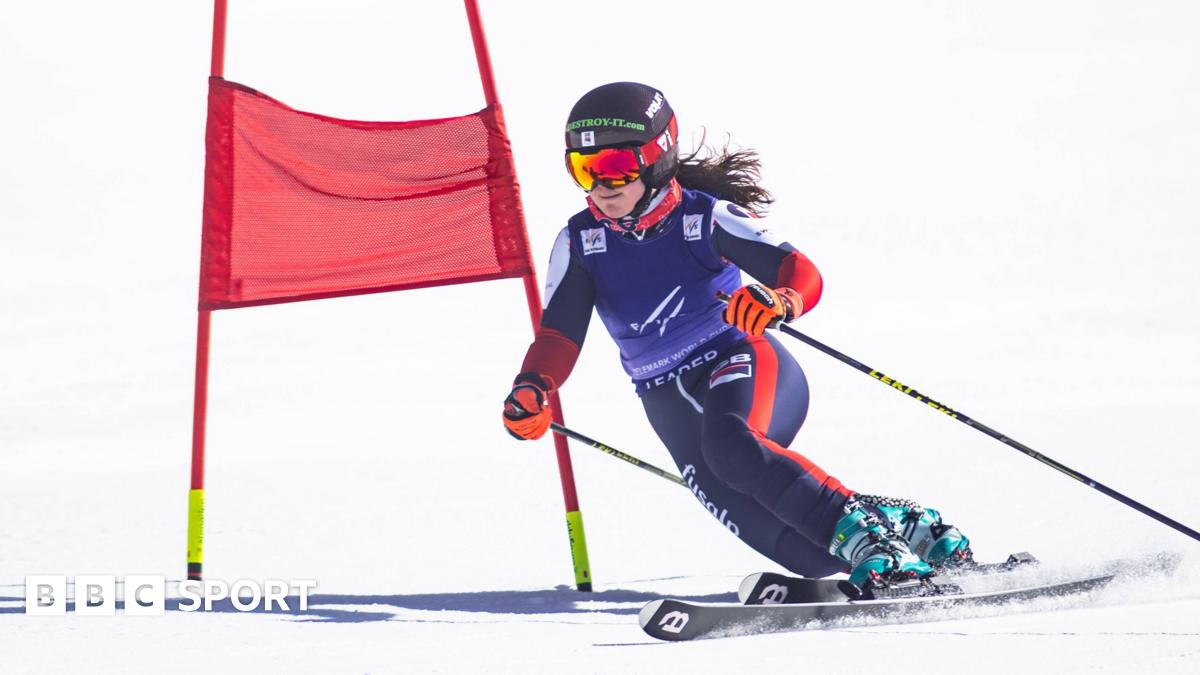
The Rise of Telemark Skiing: A Champion’s Journey and What It Takes to Compete
Telemark skiing, a captivating discipline blending elements of slalom, cross-country, and ski jumping, stands apart. Unlike traditional alpine skiing, your heel isn’t fixed to the ski, demanding a unique blend of technique, strength, and endurance. This dynamic sport is gaining recognition, and recently, British athlete Phoebe Taylor has brought it into the spotlight with a remarkable World Cup victory.But what does it take to excel in Telemark skiing, and what challenges do athletes face on their path to the top? Let’s delve into Taylor’s inspiring story and explore the intricacies of this exciting sport.
Phoebe Taylor: A Decade of Dedication and Triumph
Phoebe Taylor, hailing from Ipswich, etched her name in British skiing history a decade ago. She became the nation’s first World Championships medalist in Telemark skiing at Steamboat springs, USA. Her recent success, though, demonstrates a continued commitment to pushing boundaries.Taylor’s 2024 World Cup triumph wasn’t without its hurdles. She battled a chest infection mid-season, requiring antibiotic treatment. This illustrates the mental fortitude required to compete at the highest level. “The break between races…I basically spent the entire time in bed,” Taylor revealed.
Despite feeling unwell, she maintained her lead in the World Cup standings. This speaks volumes about her readiness and mental resilience. She ultimately secured three of the four available globes at Thyon, Switzerland, a testament to her focus and determination.
The mental Game in Telemark Skiing
Taylor’s experience highlights the intense mental pressure inherent in competitive Telemark skiing. When outcomes are uncertain,the mind can easily unravel.
Pressure and Focus: The ability to block out distractions and maintain ultra-focus is crucial, especially in high-stakes situations.
Calculating Risks: Athletes constantly assess points scenarios, needing to understand how their performance impacts the overall standings.
trusting Your Training: When illness or unexpected challenges arise, relying on ingrained training becomes paramount.
“You really find out what you’re made of,” Taylor explained,emphasizing the self-discovery that comes with navigating such pressure. It’s a sport that demands not only physical prowess but also a strong mental game.
What is Telemark Skiing? A Deeper Look
Telemark skiing’s origins trace back to the Telemark region of Norway in the 19th century. It was initially developed as a method for navigating challenging terrain. Today, it’s a recognized competitive discipline with a growing global following.
Here’s what sets telemark skiing apart:
Free Heel: The defining characteristic – your heel isn’t fixed to the ski, allowing for a greater range of motion.
Unique Technique: Requires a distinctive lunge-and-turn technique,often described as a “telemark turn.”
Versatility: Combines elements from various skiing disciplines, demanding all-around skill.
Disciplines: Competitions include classic Telemark,parallel Telemark,sprint Telemark,and team events.
The Future of Telemark: Challenges and Opportunities
While Taylor’s success is inspiring, the future of Telemark skiing faces some challenges.The next World Championships aren’t scheduled until 2027. This means athletes like Taylor must commit to continued training and competition for at least two more years to pursue further glory.
However, the sport also presents exciting opportunities:
Growing Popularity: Increased media coverage and athlete visibility are attracting new participants.
Accessibility: Telemark skiing is accessible to skiers of all levels, offering a unique and rewarding experience.
Community: A strong and supportive community fosters growth and encourages participation.
Telemark Skiing: frequently Asked Questions
Q: What exactly is the difference between Telemark skiing and traditional alpine skiing?
A: The key difference is your heel isn’t fixed to the ski in Telemark. This allows for a free-heel movement, requiring a unique turning technique and greater leg strength.
Q: Is Telemark skiing more difficult than alpine skiing?
A: It presents a different set of challenges.





