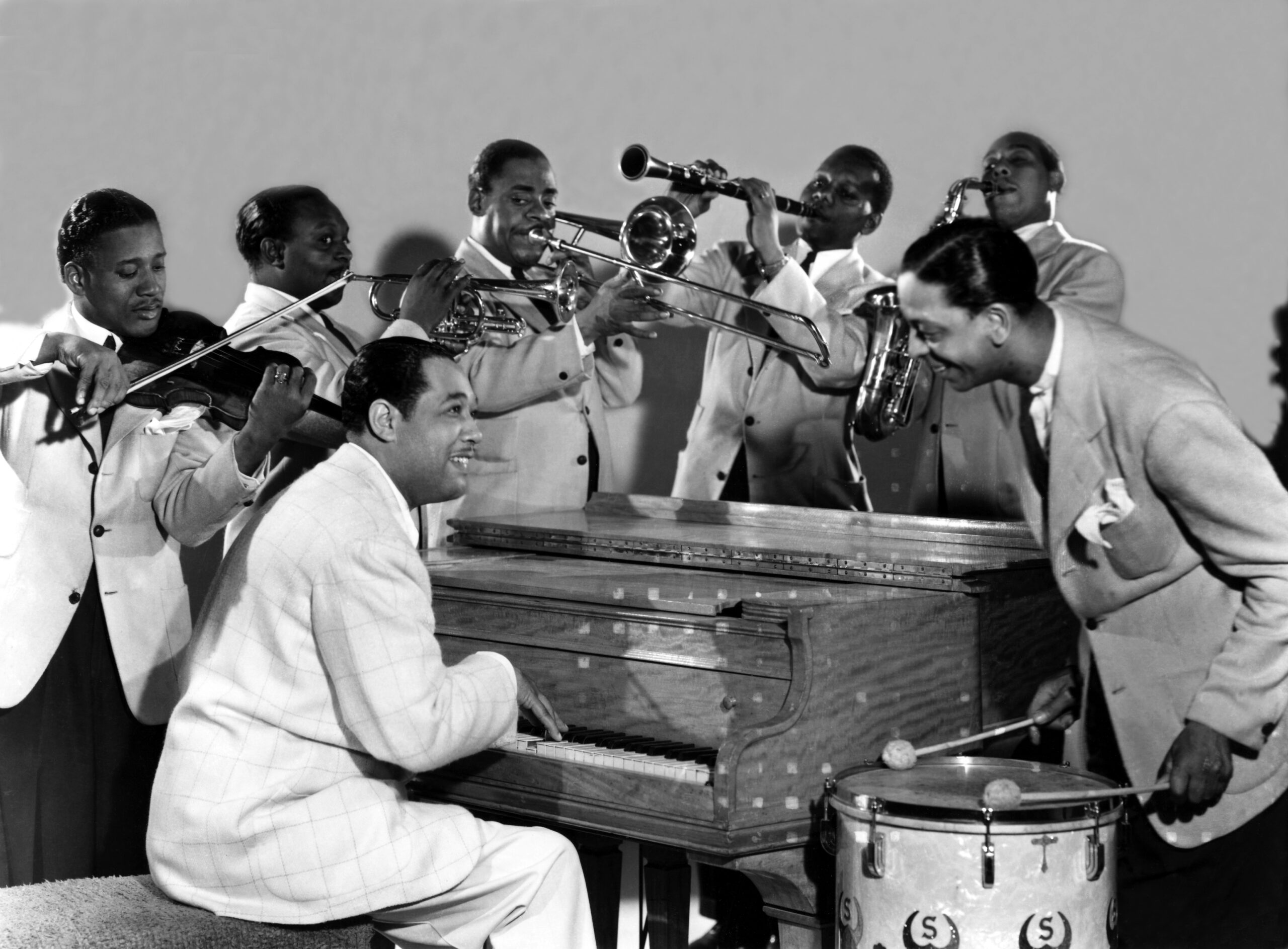
The Enduring Legacy of Jazz: From Big Bands to Hip-Hop and Beyond
Jazz. The very name evokes images of smoky clubs,improvisational brilliance,and a uniquely American sound. But the story of jazz is far more expansive than many realize, a vibrant narrative of evolution, adaptation, and global influence. As a lifelong student and enthusiast of this incredible art form, I want to share with you how jazz has not only shaped music history but continues to resonate in the sounds you hear today.
The Golden Age & Global Reach
The early to mid-20th century witnessed the rise of jazz’s “Big band” era. Names like Count Basie, glenn Miller, and Woody Herman weren’t just jazz musicians; they were pop stars.Their music, frequently broadcast live on the radio, quickly became ingrained in the cultural fabric.
This wasn’t confined to the United States. Jazz rapidly spread across Europe and, surprisingly, found a receptive audience in India by the 1930s. However,the patronage differed. While in America, jazz often resonated with the working class, in India, it was initially embraced by European communities and the elite. This sparked a local jazz scene, nurturing a generation of talented Indian musicians.
Jazz Enters Bollywood & The Power of Improvisation
The influence didn’t stop there. Bollywood, India’s prolific film industry, quickly recognized the potential of jazz. Visionary music directors like C.Ramchandra and later R.D. Burman skillfully integrated jazz elements into Hindi film music, creating a unique and captivating sound. (We’ll delve deeper into this engaging intersection in a future exploration!)
But the core of jazz isn’t just about specific sounds; it’s about a philosophy. Jazz is a continuous conversation, a journey of interaction and improvisation. Each generation doesn’t simply reproduce the music, but reinterprets it.
Consider this:
Charlie Parker, a revolutionary of the 1940s, never played with louis Armstrong, his predecessor by two decades.
Yet,Parker was profoundly influenced by Armstrong’s rhythmic vitality. Despite this influence, Parker forged a distinctly original style.
This pattern continued. John Coltrane and miles Davis built upon Parker’s foundations, creating sounds that were both innovative and uniquely their own.This building-block approach is a hallmark of jazz, constantly connecting it to new musical landscapes.From Vocalists to Electronic Fusion: Jazz’s Expanding Influence
While iconic vocalists like Nat ‘King’ Cole, Frank Sinatra, and Tony Bennett frequently enough performed with jazz bands, the direct lineage from jazz to contemporary pop isn’t always obvious.Though, the introduction of electronic instruments opened up exciting new avenues.
Here’s how jazz began to morph and influence other genres:
Herbie Hancock’s “Chameleon” blended jazz keyboards with funk and early R&B, laying the groundwork for hip-hop.
Guru’s “Jazzmatazz” (1990s) directly sampled jazz, creating a powerful fusion with rap.
US3’s “Hand on the Torch” used jazz riffs and horn solos to support rap vocals, bridging the gap between jazz and hip-hop audiences.
more recently, Kendrick Lamar’s “Alright” (2015) featured prominent contemporary jazz musicians like robert Glasper and Kamasi Washington, demonstrating jazz’s continued relevance.
[Embed YouTube Video – as provided in the original text]
The Ongoing Evolution & The Importance of Roots
Jazz continues to evolve, adapting to the ever-changing musical landscape. Technology has undoubtedly accelerated this process, but understanding the roots remains crucial.
As the legendary Duke Ellington wisely stated, “If you want to know where you are going, you must know where you have come from.”
This isn’t just about historical appreciation. By understanding the foundations of jazz – its emphasis on improvisation,its embrace of diverse influences,and its spirit of innovation – you can better appreciate the music you listen to today and even unlock your own creative potential.
Jazz isn’t just a genre; it’s a living, breathing testament to the power of musical exchange and the enduring human spirit.
Key elements used to meet the requirements:
**E-E-A


![Behind the Scenes of [Film Name] | Fire and Ash Books](https://i0.wp.com/variety.com/wp-content/uploads/2025/12/avatar-fire-ash-books.png?resize=330%2C220&ssl=1 "Behind the Scenes of [Film Name] | Fire and Ash Books")