Wrongfully Convicted and Freed: The Jimmie Duncan Story and the Crisis of Forensic Bite Mark Analysis
For decades, Jimmie duncan sat on Louisiana’s death row, convicted of the 1989 murder of 11-year-old Haley Layton. But in November 2025,after years of tireless legal work and mounting evidence questioning the original conviction,Duncan walked free. His case isn’t just a story of individual injustice; it’s a stark illustration of the fallibility of forensic science, specifically bite mark analysis, and the urgent need for reform within the criminal justice system.
As a legal professional who has followed this case closely, I want to break down the details, the flawed science, and what Duncan’s release means for the future of forensic evidence.
The Original Case & The Rise of Doubt
The prosecution’s case against Duncan heavily relied on the testimony of forensic odontologists, michael West and Edmond Hayne. They claimed to have matched bite marks found on Haley Layton’s body to impressions of Duncan’s teeth. This was achieved through a now-discredited technique where a mold of a person’s teeth is pressed directly onto the suspected bite mark location.
Though, over time, serious questions arose about the validity of this method. The core issue? bite mark analysis lacks the scientific rigor necessary for reliable courtroom evidence.
The Science Under Scrutiny
Here’s why bite mark analysis has come under fire:
* Subjectivity: Interpretation of bite marks is highly subjective, varying significantly between analysts.
* Lack of Reproducibility: Different experts often reach different conclusions when examining the same bite mark.
* skin Distortion: Human skin is a poor medium for preserving bite mark detail, changing over time and being easily distorted.
* No Error Rate Established: Crucially, no reliable error rate has ever been established for bite mark analysis, a essential requirement for valid forensic science.
These concerns led Judge William Sharp to vacate Duncan’s conviction. He declared the work of West and Hayne “no longer valid” and “not scientifically defensible.” This ruling was a watershed moment, acknowledging the inherent flaws in the evidence that had condemned Duncan for so long.
New Evidence Emerges
The crumbling foundation of the bite mark evidence wasn’t the only factor in Duncan’s release. Additional evidence surfaced that further undermined the original case:
* Accidental Drowning: An expert witness testified that Haley Layton’s death was likely the result of an accidental drowning,not homicide.
* Recanted Testimony: A jailhouse informant retracted his previous claim that Duncan had confessed to the crime.
* Victim’s Mother’s Support: Allison Layton Statham, Haley’s mother, publicly stated her belief in Duncan’s innocence, a powerful testament to the shifting narrative.
A Long Road to Freedom
Despite Judge Sharp’s ruling and the new evidence, the state of Louisiana appealed the decision. However, Sharp granted Duncan bail in November 2025, stating the presumption of guilt was weak and the evidence against him was “not evident.”
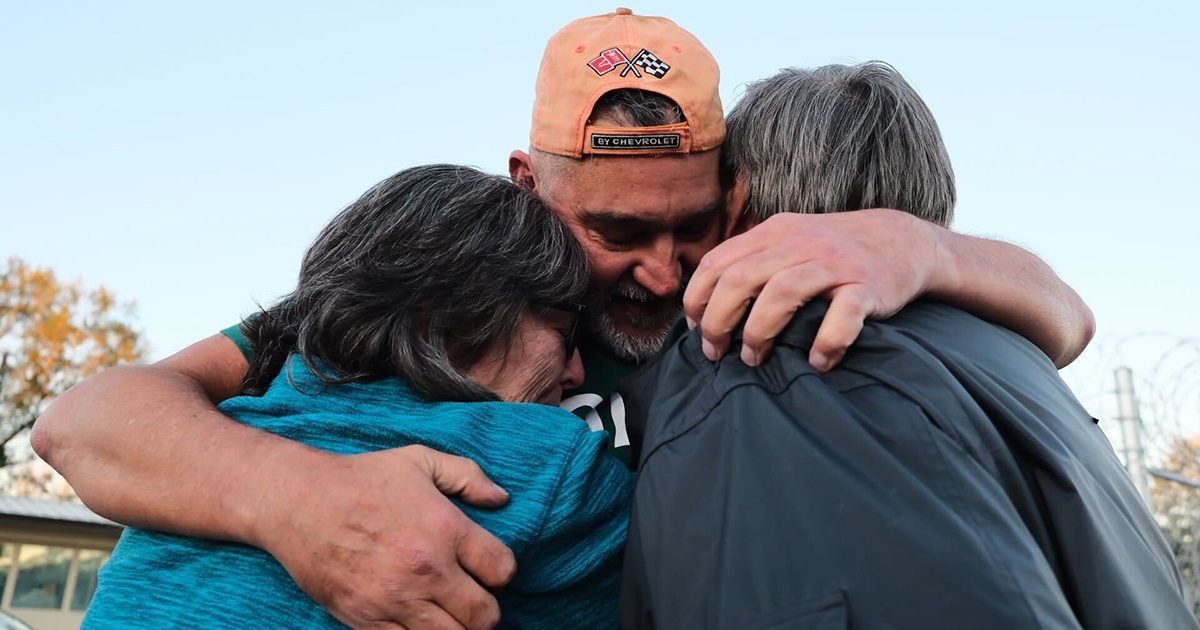
Duncan’s release, the day before Thanksgiving, was a deeply emotional moment for his legal team. Attorney ann Ferebee, who had worked on his case for a decade, described the experience as profoundly moving.
What’s Next for Jimmie Duncan?
Currently, Duncan is living with family in central Louisiana while the state Supreme Court considers the appeal. Prosecutors could:
- Lose the appeal: This would effectively end the case.
- Appeal to the U.S. Supreme Court: A long shot, but possible.
- Retry Duncan: They could attempt a new trial on the original charges or pursue a different set of charges.
- Drop the charges: Though unlikely, it remains a possibility.
His attorneys remain confident in his innocence, emphasizing the decade-long belief in his case.
Louisiana’s Execution Landscape & The Broader Implications
Duncan’s case unfolded against a backdrop of Louisiana’s renewed push for executions. After a decade-long hiatus due to difficulties procuring lethal drugs,the state approved the use of nitrogen gas. this led to the execution of Jesse Hoffman Jr.in march