
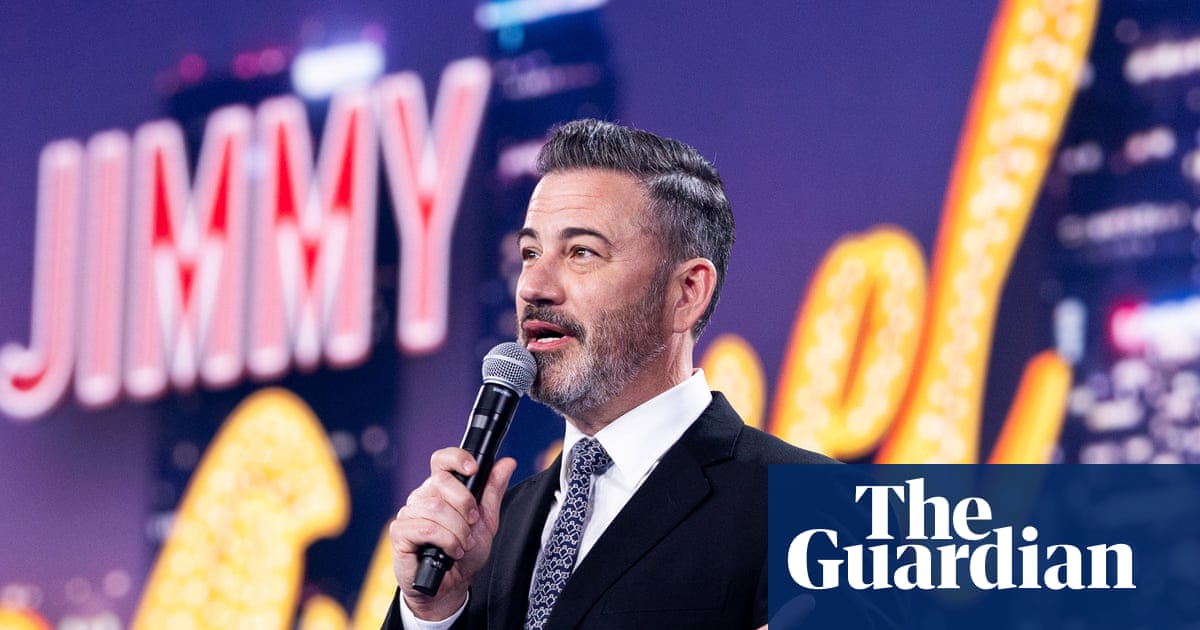
Late-Night Under Fire: Jimmy Kimmel, Sinclair, and the Battle for Free Speech on television
The recent suspension of Jimmy Kimmel and the subsequent fallout between Disney/ABC and Sinclair Broadcast Group has ignited a fierce debate about censorship, political pressure, and the future of free speech in American media.What began as a monologue comment has escalated into a high-stakes conflict involving the FCC, conservative media outlets, and a powerful coalition of Hollywood figures. This article breaks down the situation, explores the key players, and examines the implications for you, the viewer.
The Spark: Kimmel’s Monologue and the Kirk controversy
The controversy centers around a comment made by Kimmel during his monologue last Monday. He addressed the shooting of a young man by a security guard at a Turning Point USA event, stating the “MAGA gang” was attempting too distance themselves from the shooter. This remark quickly went viral, drawing immediate backlash from conservative circles.
Specifically, the target of Kimmel’s comment was Charlie Kirk, founder of turning Point USA, a prominent right-wing activist organization. The incident and Kimmel’s response tapped into existing political tensions, quickly escalating the situation.
Sinclair’s Response: Preemption and Demands
Sinclair Broadcast Group, the largest owner of ABC affiliate stations in the US, responded swiftly and aggressively. Instead of airing Jimmy kimmel Live!, Sinclair preempted the show with news programming, a move they’ve now confirmed will continue.
But their actions didn’t stop there. Sinclair issued a list of demands for Kimmel’s show to return to their stations:
* A formal apology to the Kirk family.
* A “meaningful personal donation” to both the Kirk family and Turning Point USA.
* A meeting between Kimmel and Sinclair representatives.
This demand for an apology and financial contribution raises serious questions about the influence of political ideology on broadcast decisions.
FCC Involvement and Concerns Over Censorship
The situation took a troubling turn when Brendan Carr, the FCC chair, threatened ABC’s affiliate licenses if Disney didn’t ”take action” against Kimmel. This threat, widely criticized as an attempt to intimidate a news organization, sparked accusations of censorship and political interference.
Carr also hinted at potential scrutiny of The view, another ABC talk show known for its critical stance towards former President Trump.This raised alarms about a potential pattern of targeting programs based on their political viewpoints. Many, including senator Ted Cruz, likened Carr’s actions to those of a “mob boss,” highlighting the severity of the perceived overreach.
A Hollywood Uprising: Defending Free Speech
The suspension of Kimmel and the FCC’s threats triggered a powerful response from the entertainment industry. Over 400 Hollywood stars, including Jennifer Aniston, Ben Affleck, Meryl Streep, and Tom Hanks, signed an open letter from the American Civil Liberties Union (ACLU) condemning Disney’s decision.
The Writers Guild of America (WGA) also issued a strong statement,asserting that “the right to speak our minds…is at the very heart of what it means to be a free people.” This unified front demonstrates the deep concern within Hollywood about the potential chilling effect on creative expression.
What Does this Mean for You?
This situation has far-reaching implications for you as a viewer and for the future of media.
* Limited Access: Depending on your location, you may have limited access to Jimmy Kimmel Live! if you rely on over-the-air broadcasts through Sinclair affiliates.
* political Influence: The events highlight the growing influence of political pressure on media organizations and the potential for censorship.
* The Future of Late Night: This incident could set a precedent for how late-night shows and other forms of political commentary are handled in the future.
Looking Ahead: Production Resumes, But the Fight Continues
Despite the controversy, production of Jimmy Kimmel Live! resumed as scheduled on Tuesday. The show remains available online, offering an option for viewers unable to watch it on ABC.
However,the underlying issues remain unresolved. The ongoing discussions between Sinclair and ABC, coupled with the FCC’s actions, suggest that this battle for control over the narrative is far from over. You can stay informed by following reputable news sources and engaging in constructive dialog about the importance of free speech and a diverse media landscape.
Resources:
*[TheGuardian:Sinclair[TheGuardian:Sinclair[TheGuardian:Sinclair[TheGuardian:Sinclair


