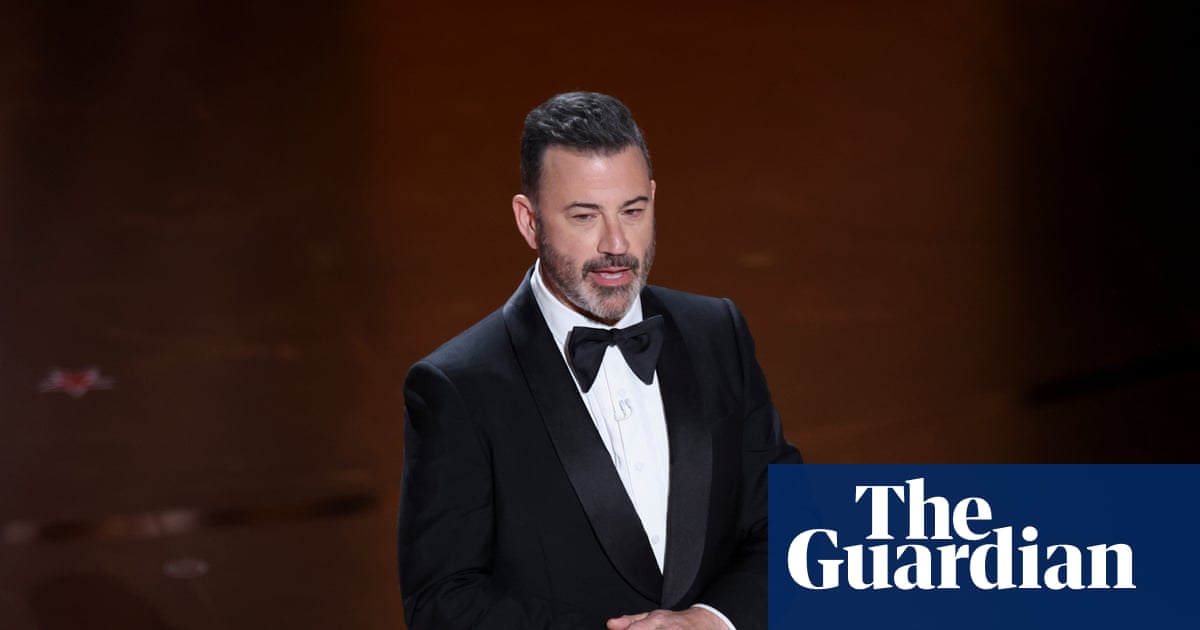
Mounting Pressure & The Chilling of Free Speech: Jimmy Kimmel Suspension Signals a Troubling Trend
The recent suspension of Jimmy kimmel from ABC’s late-night lineup is sparking a fierce debate about free speech, political pressure, and the growing climate of fear within media organizations. This decision,following controversial comments made after the shooting of conservative commentator Charlie Kirk,raises serious questions about whether public figures can freely express opinions without fear of reprisal.
A Timeline of Events & Rising Concerns
The situation unfolded rapidly. Following the death of Charlie Kirk, Kimmel made remarks that drew immediate criticism from conservative figures, including Senator JD Vance. Subsequently, ABC announced Kimmel’s suspension, a move many see as a direct response to external pressure.
Hear’s a breakdown of the key developments:
* The incident: Kimmel’s comments following Kirk’s death ignited a firestorm of controversy.
* Political Backlash: Senator Vance publicly called for accountability and encouraged citizens to contact employers of those celebrating Kirk’s death.
* ABC’s Response: The network swiftly suspended Kimmel, citing the need to review his statements.
* Broader Implications: This incident is occurring alongside a wave of firings and censures across various sectors, creating a chilling effect on public discourse.
Is Government Pressure at Play?
The Foundation for Individual Rights and Expression (FIRE) believes the timing of ABC’s decision is highly suspect. They argue that Kimmel is now effectively serving “at the pleasure of the president,” a dangerous precedent for a free press. This suggests a concerning trend where media outlets are yielding to government pressure rather than upholding journalistic independence.
A “Cancel Crusade” & the New McCarthyism
Critics are labeling this situation a right-wing “Cancel crusade,” weaponizing outrage to silence dissent. Truth Wins Out (TWO), a non-profit dedicated to exposing extremism, describes it as a “new McCarthyism,” expanding the definition of “woke” to stifle free expression and punish those who challenge prevailing narratives.
The Expanding List of Those Silenced
Sadly, Kimmel isn’t an isolated case. You’re seeing a disturbing pattern emerge across multiple industries. Consider these recent examples:
* Journalists: Several journalists have faced repercussions for their opinions.
* Public Servants: A Secret Service employee was placed on leave for expressing controversial views.
* Corporate America: Employees at Nasdaq and a prominent NFL team were fired or censured.
* Education: Teachers and firefighters have also been targeted.
These incidents demonstrate a growing intolerance for dissenting opinions, even on personal social media accounts.
The Doxing & Intimidation Factor
Adding to the complexity, efforts to identify and harrass individuals perceived as not sufficiently mourning Kirk’s death were publicly endorsed by JD Vance. This escalation of tactics – including doxing (revealing personal facts) – creates a unfriendly environment and further discourages open dialog. You should know that this behavior is unacceptable and perhaps illegal.
CBS & the Cancellation of Stephen Colbert: A Parallel Story?
This situation echoes the recent cancellation of Stephen colbert’s show on CBS. While the network cited financial reasons, some critics suspect Colbert’s consistent criticism of Trump played a role. this raises the question: are financial justifications masking a deeper pattern of silencing dissenting voices?
What Does this Mean for the Future of Free Speech?
The Kimmel suspension, alongside these other incidents, signals a troubling trend. If media outlets and organizations continue to succumb to pressure, you risk creating a society where individuals are afraid to express their opinions, even if those opinions are unpopular.
Here’s what’s at stake:
* A Chilled Press: Journalists may self-censor to avoid controversy.
* Limited discourse: Vital conversations may be stifled.
* Erosion of Democracy: A free and open exchange of ideas is essential for a healthy democracy.
It’s crucial for institutions to demonstrate resilience and resist government pressure. The future of free speech depends on it. You need to demand accountability and protect the right to express diverse perspectives, even those you disagree with.