
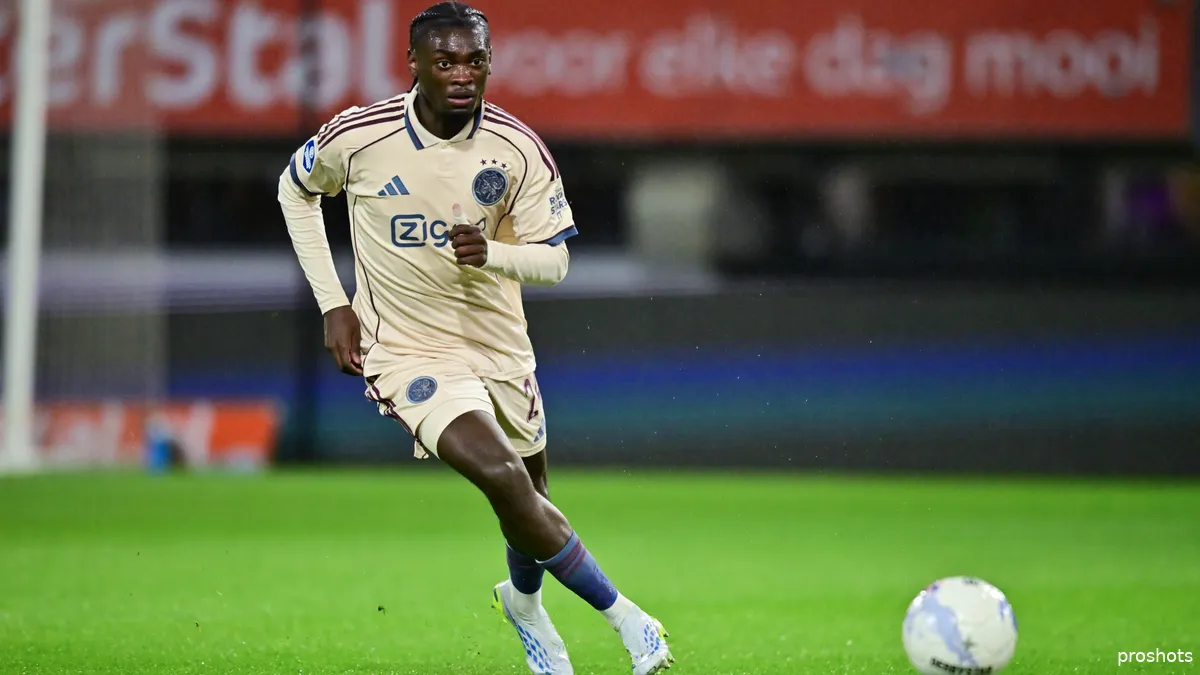
Ajax continues to find its rhythm in the Eredivisie, securing a decisive victory in their recent encounter with Heracles Almelo. The match served as a significant marker for the squad, marking their third win in a two-month span and signaling a period of stabilization for the Amsterdam-based club.
While the result provided the necessary points, the tactical nuances of the game have drawn particular attention, specifically regarding the evolving Jorthy Mokio Ajax role. In a move that suggests a desire for greater tactical flexibility, Mokio was deployed higher up the pitch during the match, a shift that provided a glimpse into the player’s versatility and the coaching staff’s long-term vision for his development.
The victory was characterized as a comfortable win at Heracles Almelo, allowing Ajax to bounce back with confidence. For the supporters and analysts alike, the performance was less about the scoreline and more about the integration of youth talent into a cohesive system.
Tactical Evolution at Heracles Almelo
The decision to play Jorthy Mokio in a more advanced position than usual is a strategic pivot that speaks to the modern requirements of a defender. By pushing the player higher on the field, Ajax tested his ability to contribute to the build-up play and disrupt opposition attacks closer to the halfway line.
Reports indicate that Mokio felt the shift was successful, suggesting that the performance demonstrated his capability to handle the demands of a more proactive role. This versatility is a prized asset in the current European game, where the line between a traditional center-back and a ball-playing defender continues to blur. When a player can operate effectively in multiple zones, it grants the manager a wider array of tactical options during a match.
Managerial Vision and Potential
The development of Mokio is being closely monitored by the technical staff. Ajax manager García has been vocal about the ceiling for the young talent, noting that if the player adheres to specific developmental benchmarks, he possesses the potential to become a fantastic player.
This endorsement from the manager underscores the importance of the “process” over immediate results. For a youth prospect, the transition from the academy to the first team is rarely linear. By experimenting with his positioning and challenging him with higher-responsibility roles, the coaching staff is accelerating his footballing intelligence, and adaptability.
Commitment and Long-term Outlook
Beyond the tactical shifts on the pitch, there have been reports regarding Mokio’s future and his relationship with the club. Unconfirmed reports suggest that Mokio has signed a long-term contract with Ajax, a move that would secure one of the most discussed young talents in Europe for the foreseeable future.

it has been reported that the player expressed a strong personal desire to remain with the club, reinforcing his commitment to the Ajax project. Such loyalty is often a catalyst for growth, as it allows a player to focus entirely on their sporting development without the distraction of transfer speculation.
As Ajax continues its campaign, the integration of players like Mokio into varied roles will be key to the team’s resilience. The ability to adapt a defensive structure on the fly—by moving a player higher or deeper—can be the difference between a stalemate and a comfortable victory.
The next checkpoint for the squad will be their upcoming league fixtures, where the coaching staff will likely continue to refine the roles of their emerging talents. We will continue to monitor Mokio’s progression and the tactical adjustments made by Manager García as the season unfolds.
Do you think tactical flexibility is more vital than positional specialization for young defenders in today’s game? Share your thoughts in the comments below.