The Erosion of Truth: A Global Crisis for Journalism and the Fight for Information
The state of journalism globally is facing a crisis of unprecedented scale. As an international news agency with a reporting team on the ground in every corner of the world, Agence France-Presse (AFP) is witnessing a disturbing trend: a systematic assault on the public’s right to know. The numbers are stark. In the first six months of 2024, we documented 25 serious incidents – assaults, arrests, expulsions, and forced displacement - involving our journalists. This already surpasses the total number of incidents recorded for the entirety of 2023. But these figures represent only the visible tip of a much larger, more insidious problem.
This isn’t simply about isolated attacks; it’s a widening geographical pattern of violence and intimidation fueled by the rise of authoritarianism and populist rhetoric that actively demonizes the press. what’s particularly alarming is that this erosion of press freedom isn’t confined to regimes traditionally considered “unstable.” We are seeing a dangerous shift in norms, with established democracies and nations with long-held commitments to free expression experiencing a surge in attacks against journalists.
From Targeted Violence to forced Exile: A New Reality for Journalists
For decades, journalists have openly identified themselves at protests and public events, believing that this openness offered a degree of protection and legitimacy. That assumption is now demonstrably false. Increasingly, the very act of being a journalist – of visibly representing the pursuit of truth – is becoming a target.
Over the past year, AFP journalists have been deliberately targeted with violence at protests in diverse countries including Turkey, Argentina, and even the United States. In each case, the journalists were clearly identifiable as members of the press, and each is convinced they were attacked because they were journalists.
The consequences extend beyond physical harm. We are witnessing a chilling exodus of journalists fleeing for their safety. Across the Sahel region of West Africa, and in countries like Nicaragua and El Salvador, our colleagues are being forced into exile, unable to continue their vital work.In Eastern and Central Europe, fact-checkers routinely receive death threats and endure sustained campaigns of intimidation designed to silence their reporting.
The message is often delivered from the highest levels of power. The Argentine presidency’s social media post last year – “We Do Not Hate Journalists Enough” – is a chilling example of the hostile surroundings facing the press. The Argentine Journalism Forum documented a staggering 179 assaults on media workers in 2023 alone.
The Unfolding tragedy in Gaza
And then there is Gaza. The situation there is catastrophic. The Committee to Protect Journalists (CPJ) reports that nearly 200 journalists have been killed in Gaza over the past two years, with over 20 incidents indicating deliberate targeting.
The fear is palpable. Some of our AFP journalists in Gaza have stopped wearing their protective flak jackets, fearing they will attract attention. local communities are also increasingly wary of being near journalists, believing they are inherently at risk. This creates an unfeasible situation for those attempting to report from the ground, hindering the vital flow of information from a conflict zone.
The Digital Threat: AI and the Post-Truth Landscape
this assault on traditional journalism is unfolding at a critical juncture, as the management of our digital lives increasingly falls into the hands of powerful Generative Artificial Intelligence (AI) tools. While these tools offer amazing potential for knowledge building and human advancement, they are also being weaponized to flood the information ecosystem with misinformation and fabricated content.
We are at an inflection point. The casual talk of a “post-truth world” is becoming a dangerous reality. Journalism is not without its flaws; we don’t always get it right. But the basic commitment to gathering information and seeking the truth – however imperfectly – is essential for the healthy functioning of any society.
A Call to Action: Defending Facts in a Time of Crisis
The silence from many governments that have historically championed press freedom is deeply concerning.Too few are willing to publicly defend facts, truth, and the vital role of a free press.This leaves brave and dedicated journalists feeling isolated and vulnerable.
Now, more than ever, we must actively defend facts.There can be no compromise, no alternative. The future of informed public discourse, and indeed, the foundations of democratic societies, depend on it.
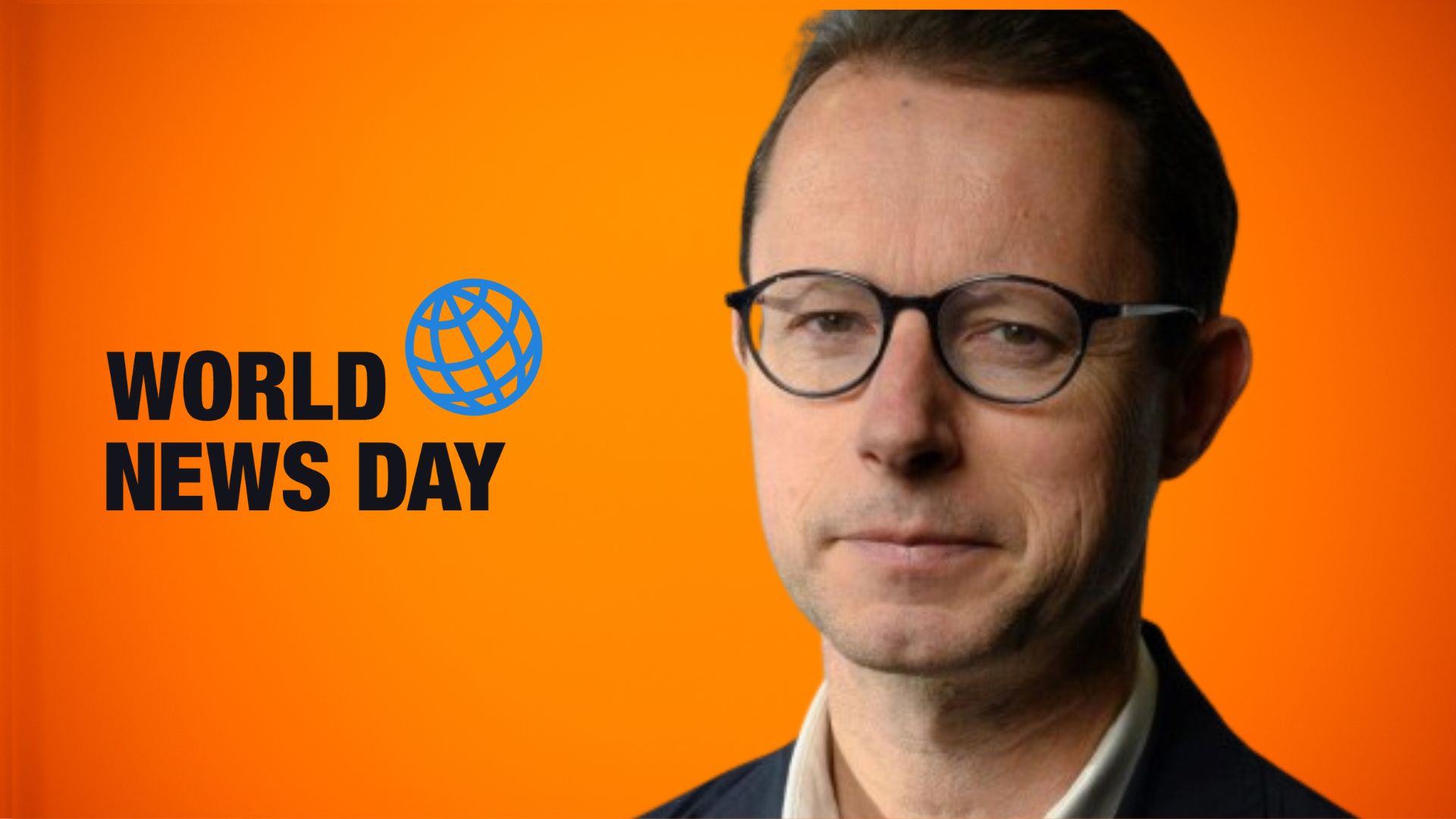
Phil Chetwynd is the Global News Director for Agence France-Presse (AFP).
This article was commissioned as part of World News day – a global campaign to highlight the value of journalism. It is organised by WAN-IFRA’s World Editors Forum, Project Kontinuum and The Canadian Journalism Foundation.
**Key improvements and rationale for E-E-A